Love this? Save it for later!
Share the inspiration with your friends
It is just past seven on a Tuesday in November, and the only thing I want is cozy maple roasted acorn squash with brown butter. The house is quiet, settled into that heavy, peaceful silence that only comes when the daylight savings time shift has already happened and the shadows stretch long across the kitchen floor. Outside, the wind is picking up, rattling the loose pane in the window frame that I keep meaning to fix but never do. Inside, the air smells faintly of old wood and the promise of something warm.
I remember the first time I made this. It was three years ago, during a particularly gray October when the leaves had already fallen and the garden was just bare earth. I was tired. Not the kind of tired that sleep fixes, but the kind that sits in your bones. I pulled a lopsided acorn squash from the fridge, the one with the dent in the side, and decided to stop overcomplicating dinner. No complex spices. No fancy garnishes. Just fat, sugar, and heat.
There is something deeply grounding about the ritual of browning butter. You stand there, watching the milk solids foam and then turn golden, listening for that specific nutty whisper that tells you it is ready. It forces you to slow down. You can’t rush butter. It demands your attention, and in return, it gives you this incredible, savory depth that transforms a simple vegetable into something that feels like a hug. Honestly, it is the best part of the process.
Acorn squash is often overlooked. People go for the butternut because it is easier to peel, or they buy pumpkin because it is seasonal. But acorn squash has a texture that is creamier, almost like a sweet potato, but with a firmer bite. When you roast it properly, the edges get caramelized and crisp while the center stays soft. It is not just a side dish; it is a moment of peace in a chaotic week. This recipe belongs to those quiet evenings when you need comfort without the fuss.
I have made this dozens of times since that first night. Sometimes I add sage. Sometimes I skip the maple syrup and just use the natural sweetness of the squash. But the core remains the same. It is about simplicity. It is about letting the ingredients speak for themselves. When you take the first bite, warm and buttery, you understand why I keep coming back to it. It is not just food. It is a quiet reminder that good things take time, but they are worth the wait.
Why You’ll Love This Recipe
Let’s be honest for a second. Cooking vegetables can feel like a chore. You spend twenty minutes chopping, another ten roasting, and then you are left with a plate of mush that nobody really wants. That is not what happens here. This recipe is different because it respects the ingredient while adding a layer of flavor that feels indulgent, even though it is fundamentally wholesome. I have tested this method with various squashes, and acorn remains the king of texture. It holds its shape better than delicata and has a richer taste than butternut.
Here is why this dish ends up on your dinner table more often than you might expect:
- Quick & Easy: Yes, roasting takes time, but active prep is minimal. You cut, you drizzle, you toss. The oven does the heavy lifting. It is perfect for those weeknights when you want to sit down and actually talk to your family instead of staring at a stove.
- Simple Ingredients: You likely have everything in your kitchen right now. Acorn squash, butter, maple syrup, salt, and pepper. No trip to the specialty store needed. It uses pantry staples to deliver bold flavor without the fuss.
- Perfect for Fall Gatherings: Whether it is a casual Tuesday dinner or a larger holiday meal, this fits right in. It pairs beautifully with roasted meats or sits nicely alongside a hearty grain bowl. If you are serving cozy fall harvest grain bowl with roasted vegetables, this squash is the ideal companion to tie the meal together.
- Crowd-Pleaser: Kids usually resist green things, but they rarely resist sweet and salty. The maple glaze makes it approachable for picky eaters, while the brown butter adds a sophistication that adults appreciate.
- Unbelievably Delicious: The texture is the star. It is creamy inside, crisp outside, and coated in a nutty, savory sauce. It is comfort food reimagined—healthier, faster, but with the same soul-soothing satisfaction.
What makes this specific version stand out is the brown butter technique. Most people just melt butter and pour it on. That works, but it is flat. Browning the butter changes the chemical structure, adding nutty, toasted notes that complement the natural sweetness of the maple syrup. It is a small step that makes a huge difference. It turns a simple side dish into something memorable. It is the kind of recipe that makes you close your eyes after the first bite and just smile.
What Ingredients You Will Need
This recipe relies on the quality of a few key components. Because there are not many ingredients, each one carries a lot of weight. You want fresh, firm produce and good quality butter. Cheap butter might have a waxy aftertaste, so it is worth spending a little extra on a high-fat European-style butter if you can find it. For the maple syrup, look for 100% pure maple syrup, not the pancake syrup stuff. The difference in flavor is night and day.
- Acorn Squash: Choose two medium-sized squash that feel heavy for their size. The skin should be hard and difficult to puncture with your fingernail. Dark green skin with white stripes is classic, but orange patches indicate ripeness and sweetness. I recommend buying them in the fall when they are at their peak. best crispy maple glazed delicata squash is another great option if you can’t find acorn, but the texture is different.
- Unsalted Butter: Use one stick (half a cup or 113 grams). Unsalted allows you to control the salt level. If you use salted butter, reduce the added salt in the recipe. I prefer Kerrygold or Plugra for their rich creaminess.
- Pure Maple Syrup: About two tablespoons. Real maple syrup has a complex flavor profile with notes of vanilla and caramel. Avoid imitation syrups, which are just corn syrup with artificial flavoring. It will taste flat.
- Extra Virgin Olive Oil: One tablespoon. This helps the squash brown and prevents the butter from burning too quickly. It adds a subtle fruity note that balances the sweetness.
- Kosher Salt: To taste. Kosher salt is preferred because it dissolves easily and doesn’t have the metallic taste of iodized table salt. If you use table salt, use less.
- Black Pepper: Freshly cracked is best. Pre-ground pepper loses its potency quickly. Use about half a teaspoon.
- Optional Add-ins: Fresh sage leaves or chopped pecans. If you want to get fancy, add a pinch of cinnamon or nutmeg, but it is not necessary. The natural flavors are strong enough on their own.
Substitution tips: If you are dairy-free, you can use ghee or a high-quality plant-based butter. The browning process still works with ghee. For the maple syrup, you can use agave nectar, though the flavor will be milder. If you don’t have acorn squash, butternut squash works, but you will need to peel it first and adjust the cooking time slightly since it cooks faster.
Equipment Needed
You don’t need a fancy kitchen to make this. Basic tools will do the job perfectly. The most important item is a heavy-duty baking sheet. A rimmed half-sheet pan is ideal because it provides enough surface area for the squash pieces to lie flat. If you overcrowd the pan, the squash will steam instead of roast, and you won’t get those nice caramelized edges. I use a non-stick sheet pan because cleanup is easier, but a well-seasoned sheet pan works too.
A sharp chef’s knife is essential. Acorn squash is hard. A dull knife will slip, and slipping with a hard squash is dangerous. Take your time when cutting. A heavy cleaver can help if you are struggling to get through the initial cuts, but be careful. A pair of sturdy tongs is helpful for tossing the squash in the butter mixture without burning your hands.
For browning the butter, a small saucepan works best. Stainless steel is good because you can see the color change clearly. A white ceramic bowl is also handy to have ready in case you need to stop the cooking process immediately by pouring the hot butter into it. This prevents the residual heat from burning the butter. A whisk is useful for stirring the butter evenly.
Budget-friendly options: You don’t need a digital scale or expensive gadgets. A simple measuring cup and spoon are fine. If you don’t have a rimmed baking sheet, a large cast-iron skillet works wonderfully for roasting and adds a nice rustic touch. Just make sure it fits in your oven.
Preparation Method
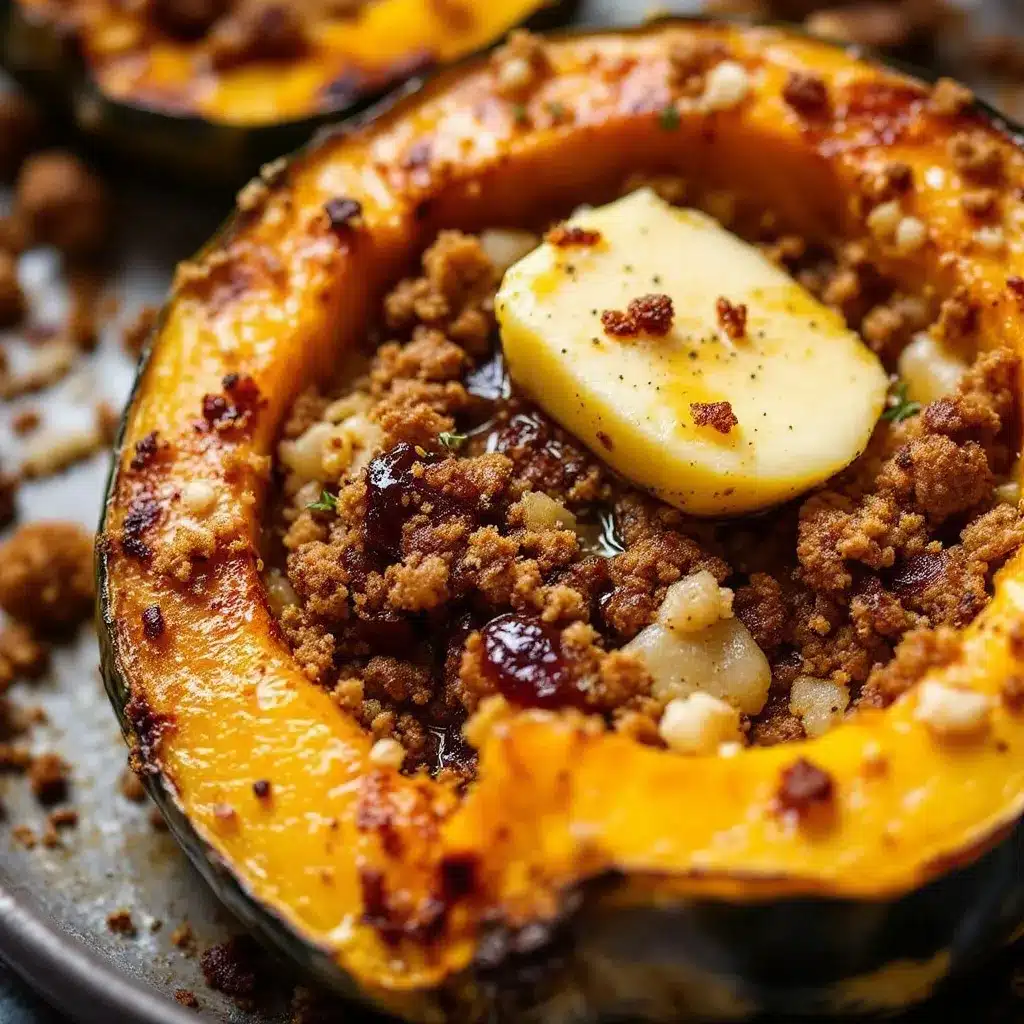
Getting the squash ready is the only slightly tricky part, but it is straightforward once you know what to do. First, preheat your oven to 400°F (200°C). Line your baking sheet with parchment paper for easy cleanup, or lightly grease it with oil. This step takes about five minutes.
- Cut the Squash: Wash the acorn squash thoroughly. Place it on a stable cutting board. Carefully slice it in half from stem to base. You may need to use a rocking motion with your knife. Once cut, use a sturdy spoon to scoop out the seeds and stringy pulp. Discard the seeds or save them for roasting later if you want. This takes about three minutes.
- Season the Cut Side: Place the halves cut-side up on the baking sheet. Sprinkle the inside generously with salt and pepper. Drizzle a little olive oil over the flesh. This helps draw out moisture and seasons the inside directly. Let them sit while you prepare the butter.
- Brown the Butter: In a small saucepan over medium heat, add the butter. Stir it constantly with a whisk. It will melt, then foam up, and then the foam will start to subside. Watch closely. Small brown specks will appear at the bottom. The smell will change from milky to nutty. This takes about four to six minutes. Do not walk away. As soon as it smells like toasted hazelnuts, remove it from the heat immediately.
- Mix the Glaze: Stir the maple syrup into the hot brown butter. It will bubble vigorously, so be careful. Add a pinch of salt if needed. This mixture is your magic glaze.
- Roast: Brush or spoon the brown butter mixture over the cut sides of the squash. Make sure to get it into the crevices. Roast in the preheated oven for 30 to 40 minutes. The squash is done when a fork easily pierces through the flesh to the skin. The edges should be slightly caramelized and brown.
- Cool and Serve: Remove from the oven and let it cool for five minutes. This allows the glaze to set slightly. Serve warm. You can leave them as halves or slice them into wedges if you prefer. Garnish with fresh herbs if you like.
Troubleshooting tip: If your squash is very large, it might take longer to cook. Check it at 30 minutes. If the edges are browning too fast but the center is still hard, cover it loosely with foil. This prevents burning while the inside finishes cooking.
How do I know when the butter is browned?
Look for golden-brown specks at the bottom of the pan and smell for a nutty aroma. It happens fast, so stay nearby.
Can I use frozen squash?
Fresh is best. Frozen squash releases too much water and becomes mushy. If you must use frozen, thaw it completely and pat it dry before roasting.
Why is my squash not caramelizing?
Make sure your oven is fully preheated. Also, ensure the squash halves are not touching each other. Crowding causes steaming.
Can I make this ahead of time?
You can prep the squash the night before, but add the butter glaze right before roasting to prevent sogginess.
What if I don’t have maple syrup?
Honey works well, but it is sweeter. Use less honey and maybe add a pinch of cinnamon.
Cooking Tips & Techniques
Browning butter is a technique that separates the amateurs from the pros, but it is actually quite simple. The key is patience. Many people rush this step and burn the butter, which tastes bitter. Start with medium heat, not high. If the butter sizzles violently, it is too hot. You want a gentle simmer. Stir constantly to ensure even cooking. The milk solids are what brown, and they settle at the bottom, so you need to keep them moving.
Another common mistake is using too much oil. Acorn squash is lean. It needs a little fat to conduct heat and caramelize, but too much oil will make it greasy. The brown butter provides enough fat. If you find the pan is too dry, add a splash more butter, not oil.
I learned the hard way that acorn squash varies in size. A large squash might weigh three pounds, while a small one is only one pound. This affects cooking time. Always test for doneness with a fork. If it meets no resistance, it is done. If it feels firm, give it more time. Overcooked squash becomes watery, so aim for just tender.
Multitasking strategy: While the squash roasts, you can prepare the main course. The oven is already hot, so you are not wasting energy. Use the time to chop other vegetables or start a protein. The squash is forgiving and requires no attention during the roast. Just check it once halfway through to ensure the glaze is not burning.
For consistency, buy squash from the same batch if possible. They tend to cook at similar rates. If you mix sizes, remove the smaller pieces first so they don’t overcook.
Variations & Adaptations
This recipe is a canvas for your creativity. Once you master the base, you can tweak it to suit your taste or dietary needs. Here are a few variations I have tried:
- Herb-Infused: Add two tablespoons of fresh chopped sage or thyme to the brown butter. The herbs infuse the fat and add a savory, earthy note that pairs beautifully with the maple. This is my favorite variation for Thanksgiving.
- Spicy Kick: Add a pinch of cayenne pepper or red pepper flakes to the glaze. The heat cuts through the sweetness and richness, creating a complex flavor profile. Great for those who like a little fire.
- Dairy-Free: Substitute the butter with coconut oil or ghee. Coconut oil adds a subtle coconut flavor, which works surprisingly well with maple. Ghee has a nutty taste similar to brown butter.
- Gluten-Free: This recipe is naturally gluten-free. Just ensure your maple syrup is certified gluten-free if you have celiac disease, as some processing equipment may cross-contaminate.
- Savory Twist: Skip the maple syrup entirely. Use just brown butter, salt, pepper, and a drizzle of balsamic vinegar. This turns the dish into a more savory side, perfect for pairing with roast beef or pork.
I once tried adding chopped walnuts to the glaze. They toasted in the oven and added a nice crunch. It was a hit with my family. You can also swap the maple syrup for honey for a different floral note. Experiment until you find your perfect balance.
Serving & Storage Suggestions
Serve this squash warm, right out of the oven. It looks best when presented in a large platter, with the cut side up to show off the golden glaze. Garnish with fresh parsley or chives for a pop of color. It pairs wonderfully with roasted chicken, grilled salmon, or the easy apple cider braised pork chops I mentioned earlier. The sweetness complements the savory pork perfectly.
Leftovers can be stored in an airtight container in the refrigerator for up to four days. The squash will soften further as it cools, which some people prefer. To reheat, place the squash in a 350°F oven for 10-15 minutes. Avoid the microwave, as it can make the texture rubbery. You can also freeze roasted squash for up to three months. Thaw in the fridge and reheat gently.
The flavors develop over time. The maple syrup continues to penetrate the flesh, making it sweeter the next day. Some people even prefer it cold from the fridge, like a fruit salad. It is versatile. Try it with a dollop of sour cream or Greek yogurt for a creamy contrast.
Nutritional Information & Benefits
Acorn squash is a nutritional powerhouse. It is low in calories but high in fiber, which aids digestion and keeps you feeling full. It is rich in Vitamin A, which supports eye health, and Vitamin C, which boosts the immune system. The brown butter adds healthy fats, which help absorb the fat-soluble vitamins in the squash. While it is not a low-carb dish due to the maple syrup, the natural sugars in the squash are balanced by the fiber. It is a wholesome side dish that fits into most balanced diets. For those watching sodium, the natural flavor means you can use less salt than usual. It is a guilt-free indulgence that nourishes your body.
Conclusion
Cozy maple roasted acorn squash with brown butter is more than just a recipe. It is a simple pleasure that brings warmth to your kitchen. The combination of nutty butter, sweet maple, and tender squash is unbeatable. I hope you try this and find your own quiet moments of comfort in the process. Customize it with your favorite herbs or spices. Make it your own. Share it with friends and family. I would love to hear how you adapt it. Leave a comment below with your favorite variation. Happy cooking!
FAQs
Can I roast the squash whole?
Yes, but it takes much longer. Pierce the skin with a fork to let steam escape. Roast for about an hour at 400°F. Cutting it in half is faster and allows for better glaze coverage.
What is the best way to cut an acorn squash?
Microwave it for two minutes to soften the skin slightly. This makes it easier to slice. Always cut lengthwise, from stem to base.
Can I use pumpkin syrup instead of maple syrup?
Pumpkin syrup is often just maple syrup with artificial flavoring. It works, but real maple syrup has a better taste. If you use pure maple syrup, you do not need pumpkin flavoring.
Why is my brown butter bitter?
You likely burned it. Brown butter goes from perfect to burnt very quickly. If it smells bitter, discard it and start over. A little burnt butter ruins the whole dish.
Is acorn squash healthy?
Yes, it is packed with vitamins and fiber. It is a nutritious addition to any meal. The brown butter adds calories, so enjoy in moderation.
Pin This Recipe!
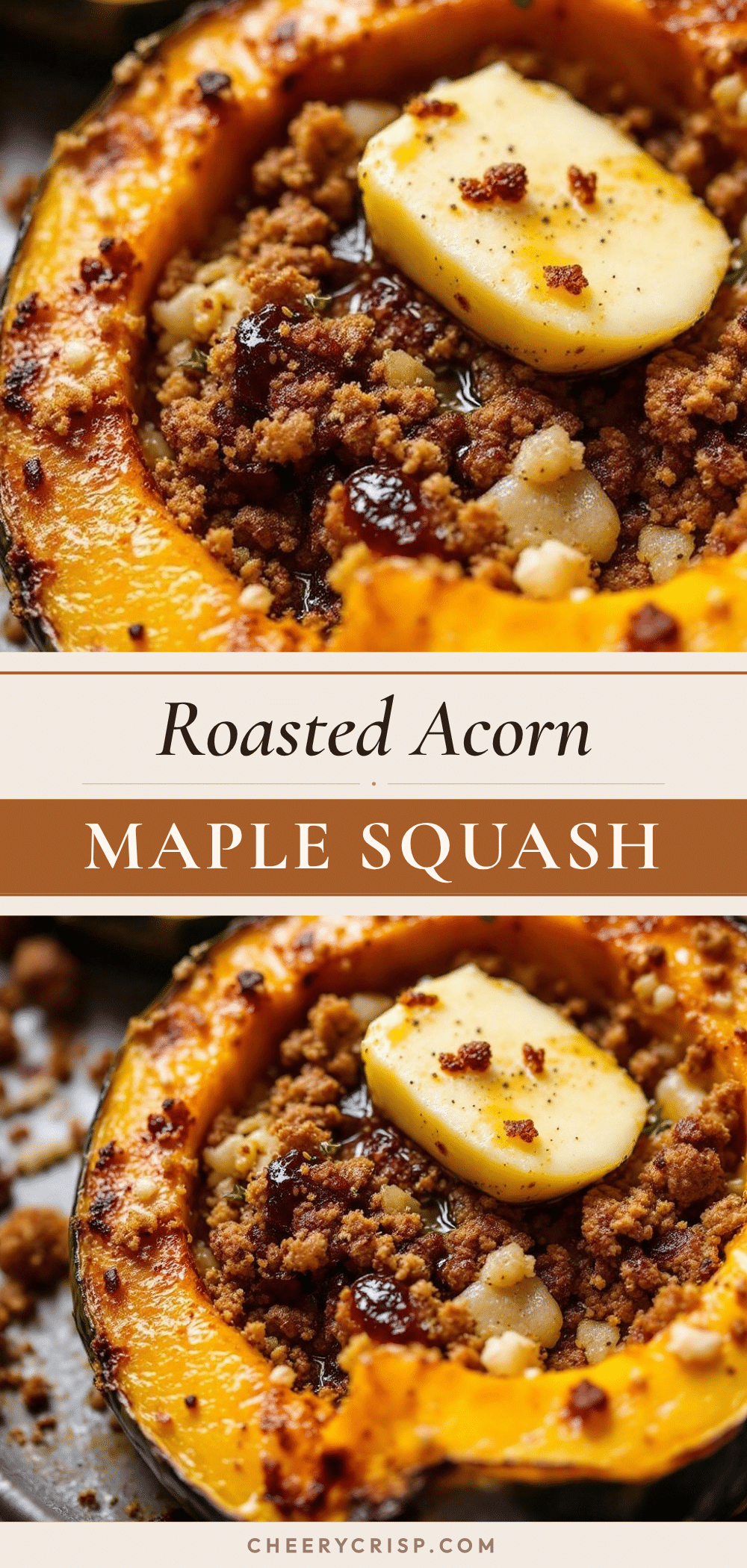
Cozy Maple Roasted Acorn Squash with Brown Butter
A simple yet elegant fall side dish featuring acorn squash roasted until tender and caramelized, then drizzled with a rich, nutty brown butter and maple syrup glaze.
- Prep Time: 10 minutes
- Cook Time: 40 minutes
- Total Time: 50 minutes
- Yield: 4 servings 1x
- Category: Side Dish
- Cuisine: American
Ingredients
- 2 medium acorn squash
- 1 stick (1/2 cup or 113g) unsalted butter
- 2 tablespoons pure maple syrup
- 1 tablespoon extra virgin olive oil
- Kosher salt, to taste
- 1/2 teaspoon freshly cracked black pepper
- Optional: Fresh sage leaves or chopped pecans
Instructions
- Preheat oven to 400°F (200°C). Line a rimmed baking sheet with parchment paper or grease lightly.
- Wash the acorn squash and carefully slice it in half from stem to base. Scoop out seeds and pulp with a spoon.
- Place squash halves cut-side up on the baking sheet. Sprinkle inside with salt and pepper, and drizzle with olive oil.
- In a small saucepan over medium heat, melt the butter. Stir constantly with a whisk until it foams, then subsides, and turns golden brown with a nutty aroma (4-6 minutes). Remove from heat immediately.
- Stir the maple syrup into the hot brown butter. Be careful as it will bubble.
- Brush or spoon the brown butter mixture over the cut sides of the squash.
- Roast for 30-40 minutes, or until a fork easily pierces the flesh to the skin and edges are caramelized.
- Remove from oven and let cool for 5 minutes before serving.
Notes
Ensure the squash halves are not touching on the pan to allow for proper caramelization rather than steaming. If the edges brown too quickly, cover loosely with foil. For dairy-free, substitute butter with ghee or plant-based butter.
Nutrition
- Serving Size: 1/2 squash
- Calories: 220
- Sugar: 12
- Sodium: 180
- Fat: 14
- Saturated Fat: 8
- Carbohydrates: 24
- Fiber: 4
- Protein: 2
Keywords: acorn squash, brown butter, maple syrup, fall recipes, roasted vegetables, side dish, gluten-free, vegetarian