Love this? Save it for later!
Share the inspiration with your friends
I burned salmon three times before I figured out it wasn’t me—it was the pan. Or more specifically, it was the fact that I kept using a cold pan and then cranking the heat, hoping for the best. That first miserable, smoking fillet taught me more about cooking fish than any recipe ever did. The second time, I got distracted by my phone and ended up with something that tasted more like charcoal than salmon. By the third attempt, I was ready to give up on cooking fish at home entirely. Then my neighbor, who used to work in a restaurant kitchen, casually mentioned that the secret to perfect salmon was patience with the pan and not overcrowding it. That conversation changed everything. This Quick Garlic Butter Salmon with Lemon is what came out of those failures—a simple, no-fuss recipe that actually works. It’s the kind of dinner you can make on a Tuesday night when you’re tired and hungry and need something that feels fancy but takes almost no effort. Honestly, if I can get this right after three disasters, anyone can.
Why You’ll Love This Recipe
This isn’t just another salmon recipe. It’s the one you’ll come back to again and again because it actually delivers on flavor without demanding a lot from you. Here’s why it works:
- Quick & Easy : From start to finish, you’re looking at about 15 minutes. That’s faster than ordering takeout and way more satisfying.
- Simple Ingredients : You probably already have garlic, butter, and lemon in your kitchen right now. No fancy grocery runs needed.
- Perfect for Busy Weeknights : When you’re short on time but still want a real meal, this is your answer. It’s also great for impressing guests without breaking a sweat.
- Crowd-Pleaser : Even people who claim they don’t like fish love this version. The garlic butter does something magical—it mellows out the fishiness and makes everything taste rich and comforting.
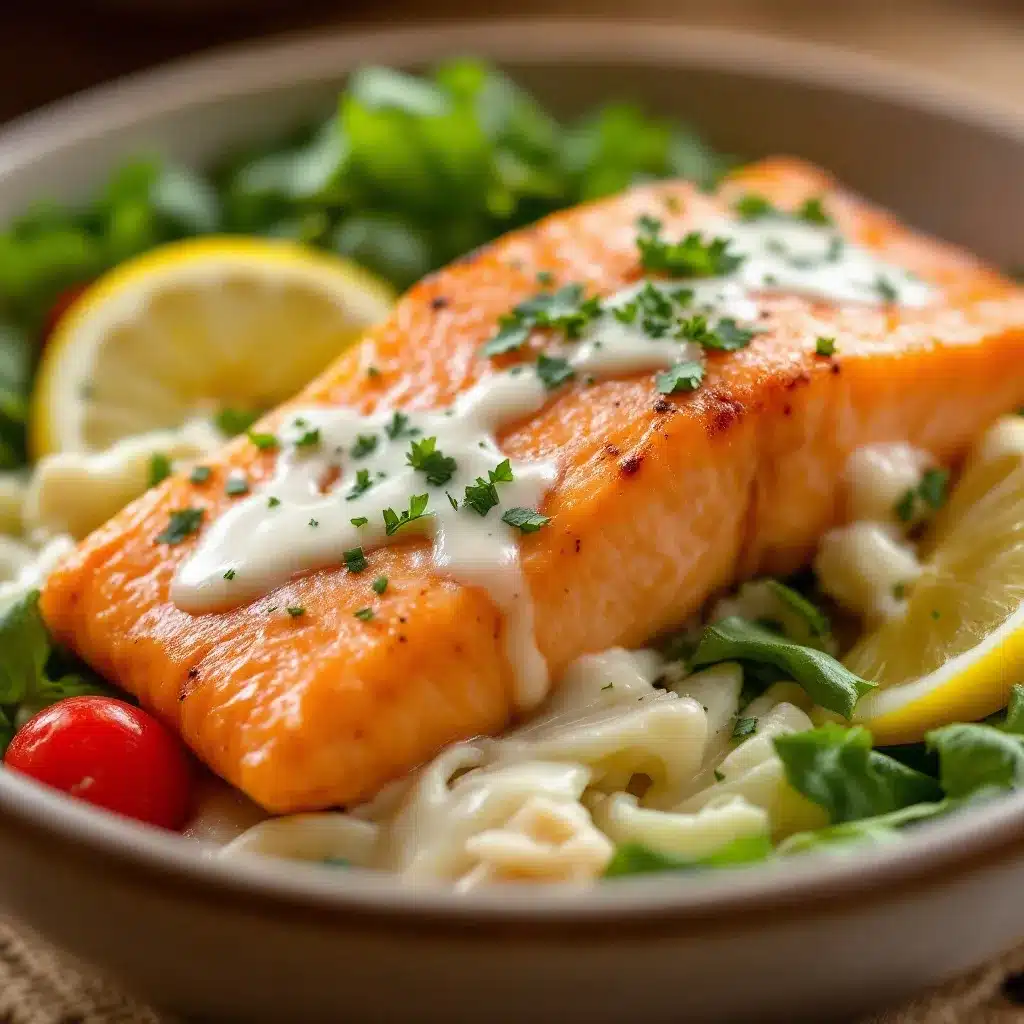
- Unbelievably Delicious : The texture is what gets me every time. Crispy edges, tender flaky center, all coated in that glossy garlic butter sauce. It’s comfort food that happens to be good for you.
What makes this recipe different from all the other salmon recipes out there? It’s the technique. Instead of just pan-frying the fish and hoping for the best, we’re building flavor in layers. The butter gets a head start with the garlic, then the salmon cooks in that fragrant pool, and finally the lemon brightens everything at the end. It’s not complicated—it’s just smart. And it works every single time.
I love this recipe because it feels like a cheat code for dinner. You get restaurant-quality results with almost zero effort. The first time I made it for my family, my husband actually asked if I ordered delivery. That’s the kind of reaction that makes all those burned fillets worth it.
What Ingredients You Will Need
This recipe uses simple, wholesome ingredients to deliver bold flavor and satisfying texture without the fuss. Most of these are pantry staples, which makes this dish perfect for those nights when you need dinner on the table fast.
- Salmon fillets (4 pieces, about 6 ounces each) – Look for fillets that are similar in thickness so they cook evenly. I prefer wild-caught salmon when it’s available, but farm-raised works great too. Skin-on or skinless—both work, but skin-on gives you those extra crispy edges.
- Unsalted butter (4 tablespoons, or 1/2 stick) – Unsalted is important here because we’re controlling the salt ourselves. The butter creates that rich, glossy sauce that coats every bite.
- Garlic (4 cloves, minced) – Fresh garlic makes a huge difference. Don’t use the pre-minced stuff from a jar—it burns faster and doesn’t have the same punch. I like to mince mine finely so it melts into the butter.
- Fresh lemon juice (2 tablespoons, from about 1 lemon) – Always use fresh lemon juice. The bottled stuff has a weird chemical taste that ruins the delicate flavor of the fish. You’ll also want some lemon slices for garnish.
- Salt (1 teaspoon) – I use fine sea salt for even seasoning. If you’re using kosher salt, you might need a bit more.
- Black pepper (1/2 teaspoon, freshly ground) – Freshly ground pepper adds a subtle warmth that complements the garlic and lemon.
- Olive oil (1 tablespoon) – A little oil in the pan prevents the butter from burning and helps create that golden crust.
- Fresh parsley (2 tablespoons, chopped, for garnish) – Optional but highly recommended. The parsley adds a pop of color and freshness.
- Lemon slices (for serving) – Not just for looks—they add an extra burst of citrus when you squeeze them over the finished dish.
I recommend using Kerrygold butter if you can find it—the higher fat content makes the sauce extra rich and creamy. For the salmon, I’ve had great results with both wild-caught sockeye and Atlantic salmon. Just make sure whatever you buy smells fresh and clean, not fishy.
Equipment Needed
You don’t need much for this recipe, which is part of why I love it. Here’s what you’ll need:
- Large non-stick or cast-iron skillet – A 10 to 12-inch skillet works best. Non-stick makes cleanup easier, but a well-seasoned cast-iron skillet gives you those beautiful crispy edges. I use my cast-iron skillet for this recipe because it holds heat so well.
- Fish spatula – This thin, slotted spatula is perfect for flipping delicate fish without breaking it. If you don’t have one, a regular thin spatula works fine—just be gentle.
- Cutting board and sharp knife – For mincing garlic and chopping parsley. A sharp knife makes all the difference here.
- Measuring spoons – For measuring the butter, oil, and lemon juice. I like to have everything pre-measured before I start cooking.
- Paper towels – For patting the salmon dry. This step is crucial for getting that golden crust.
If you don’t have a cast-iron skillet, don’t worry. A good non-stick pan works perfectly. Just make sure it’s large enough to fit all the fillets without crowding—crowding the pan steams the fish instead of searing it.
Preparation Method
- Pat the salmon dry. Take your salmon fillets out of the fridge and pat them thoroughly dry with paper towels. This is the most important step—moisture is the enemy of a good sear. Let them sit at room temperature for about 5 minutes while you prep everything else.
- Season the salmon. Sprinkle both sides of each fillet with salt and pepper. Don’t be shy with the seasoning—salmon can handle it. I use about 1/4 teaspoon of salt per fillet, but adjust based on your preference.
- Heat the skillet. Place your skillet over medium-high heat and add the olive oil. Let it heat up for about 2 minutes until it shimmers. You want the pan hot enough that the salmon sizzles immediately when it hits the surface.
- Sear the salmon. Carefully place the salmon fillets in the hot skillet, skin-side down if they have skin. Press down gently with your spatula for a few seconds to ensure even contact. Let them cook undisturbed for 4 minutes. Don’t move them around—let that crust form.
- Flip and add butter. After 4 minutes, flip the fillets carefully. Add the butter to the pan, letting it melt around the salmon. Tilt the pan slightly and spoon the melting butter over the tops of the fillets as they cook.
- Add garlic. Once the butter is melted, add the minced garlic to the pan. Stir it into the butter and keep spooning it over the salmon. Cook for another 3 to 4 minutes, depending on the thickness of your fillets. The salmon should be opaque and flake easily with a fork.
- Finish with lemon. When the salmon is almost done, squeeze the fresh lemon juice over the fillets. Let it sizzle for about 30 seconds, then remove the pan from the heat. The lemon brightens everything and balances the richness of the butter.
- Garnish and serve. Sprinkle the chopped parsley over the top and add a few lemon slices for presentation. Serve immediately while it’s hot and the edges are still crispy.
A few things to watch for: If your salmon is thicker than 1 inch, you might need an extra minute or two on the second side. If it’s thinner, reduce the cooking time slightly. The internal temperature should reach 145°F, but honestly, I go by feel—when the fish flakes easily with a fork, it’s done.
I learned the hard way that overcrowding the pan is a disaster. If your skillet is too small, cook the salmon in two batches. The fillets need space to breathe and develop that golden crust. Trust me, it’s worth the extra few minutes.
Cooking Tips & Techniques
After making this recipe dozens of times, I’ve picked up a few tricks that make a real difference. Here’s what I’ve learned:
Don’t skip the patting dry step. I know it seems fussy, but it’s the difference between crispy golden salmon and sad, steamed fish. Take an extra 30 seconds to really blot those fillets dry. Your future self will thank you.
Let the pan get hot enough. I used to rush this step and end up with pale, sad salmon. Give the oil a full 2 minutes to heat up. You should see it shimmer and almost ripple when it’s ready. If you drop a tiny piece of garlic in and it sizzles immediately, you’re good to go.
Watch the garlic closely. Garlic burns faster than you think. Add it after the salmon has cooked for a minute or two on the second side, not before. Burnt garlic tastes bitter and will ruin the whole dish. If you see the garlic turning dark brown too quickly, lower the heat.
Use a fish spatula for flipping. This thin, angled spatula slides under the fish without breaking it apart. If you don’t have one, be extra gentle when flipping. I broke more salmon fillets than I care to admit before I invested in a proper fish spatula.
Let the salmon rest for a minute. After you take the pan off the heat, let the salmon sit for about a minute before serving. This allows the juices to redistribute and makes the fish even more tender. I know it’s hard to wait, but it’s worth it.
Variations & Adaptations
This recipe is incredibly versatile. Here are some ways to change it up based on what you have or what you’re in the mood for:
Lemon Herb Version : Add a teaspoon of dried thyme or oregano along with the garlic. The herbs infuse the butter and add a whole new layer of flavor. I’ve also used fresh dill in the summer—it’s amazing with the lemon.
Spicy Kick : Add a pinch of red pepper flakes along with the garlic. The heat cuts through the richness of the butter beautifully. Start with a small pinch and add more if you want it spicier.
Quick Cream Sauce : After removing the salmon from the pan, add a splash of heavy cream (about 1/4 cup) to the remaining butter and garlic. Stir until it thickens slightly, then pour it over the salmon. It’s indulgent and absolutely delicious.
Sheet Pan Version : If you want to make this even easier, try my one-pan honey garlic salmon with asparagus for a complete meal on one pan. The technique is similar, but the honey adds a touch of sweetness.
Air Fryer Adaptation : For an even faster option, check out my crispy air fryer chicken breast recipe and adapt the same lemon herb marinade for salmon. The air fryer gives you that same crispy exterior in even less time.
Dietary Adjustments : Use ghee instead of butter for a dairy-free option. Ghee has a higher smoke point and adds a nutty flavor that’s wonderful with salmon. For a lower fat version, reduce the butter to 2 tablespoons and use more olive oil.
Serving & Storage Suggestions
This salmon is best served immediately while it’s hot and the edges are still crispy. But here’s how to make the most of it:
Serving Temperature : Serve hot, straight from the pan. The butter sauce should be glossy and warm. If you’re making a larger batch, keep the cooked salmon in a warm oven (200°F) while you finish the rest.
What to Serve With It : This salmon pairs beautifully with simple sides. Steamed green beans, roasted asparagus, or a fresh green salad are all great choices. For something heartier, try it with rice or quinoa to soak up all that garlic butter sauce. I also love serving it with crusty bread for dipping.
Storage : Leftover salmon keeps in the refrigerator for up to 3 days in an airtight container. The texture won’t be quite as crispy, but the flavor is still wonderful.
Reheating : The best way to reheat salmon is in a skillet over medium-low heat with a splash of water or lemon juice. Cover the pan and let it steam gently for 2 to 3 minutes. Avoid the microwave—it makes the fish rubbery and dries it out.
How Flavors Develop : Interestingly, the lemon and garlic flavors actually mellow and blend together overnight. Cold leftover salmon is amazing flaked over a salad the next day for lunch. I often make extra on purpose just for this.
Nutritional Information & Benefits
This recipe is not just delicious—it’s also packed with nutrients. Here’s a rough breakdown per serving (one fillet with sauce):
- Calories: Approximately 380-420
- Protein: 34-38 grams
- Fat: 26-30 grams (mostly healthy fats from salmon and butter)
- Carbohydrates: 2-3 grams
- Omega-3 Fatty Acids: Excellent source
- Vitamin D: High amount from salmon
- Selenium: Important antioxidant mineral
Salmon is one of the best sources of omega-3 fatty acids, which are essential for heart and brain health. The garlic adds anti-inflammatory properties, and the lemon provides a good dose of vitamin C. This meal is naturally gluten-free and low in carbohydrates, making it suitable for a variety of dietary needs.
If you’re watching your sodium, reduce the salt to 1/2 teaspoon total. The lemon and garlic provide plenty of flavor even with less salt.
Conclusion
This Quick Garlic Butter Salmon with Lemon is proof that you don’t need complicated techniques or fancy ingredients to make a truly memorable dinner. It’s simple, fast, and absolutely delicious—the kind of meal that makes you feel like you’re treating yourself even on the busiest weeknight.
I love this recipe because it reminds me that cooking doesn’t have to be hard to be good. Sometimes the simplest things—butter, garlic, lemon, and good fish—are all you need. After all those burned fillets and failed attempts, this recipe finally clicked for me. And I know it will click for you too.
Give it a try and let me know how it turns out! Leave a comment below with your favorite way to serve it, or tag me in your photos if you share them online. I’d love to see your version. Happy cooking!
Frequently Asked Questions
Can I use frozen salmon for this recipe?
Yes, but you need to thaw it completely first. Pat it very dry after thawing—frozen salmon releases more water as it thaws, so you’ll need extra paper towels. The cooking time might be slightly longer if the salmon is still cold in the center.
What if I don’t have a cast-iron skillet?
No problem at all. A good non-stick skillet works perfectly. Just make sure it’s large enough to fit all the fillets without crowding. Stainless steel also works, but you might need a little extra oil to prevent sticking.
How do I know when the salmon is fully cooked?
The easiest way is to check with a fork. Gently flake the thickest part of the fillet—if it flakes easily and looks opaque all the way through, it’s done. The internal temperature should reach 145°F if you’re using a thermometer.
Can I make this dairy-free?
Absolutely. Substitute the butter with ghee (which is lactose-free) or a high-quality vegan butter. Coconut oil also works, though it will add a slight coconut flavor. Use 3 to 4 tablespoons of your chosen substitute.
What sides go best with this salmon?
I love serving this with simple steamed green beans, roasted asparagus, or a fresh arugula salad. For something more filling, try it with rice, quinoa, or crusty bread to soak up all that garlic butter sauce. If you’re looking for a complete meal idea, my one-pan honey garlic salmon with asparagus is a great option.
Pin This Recipe!
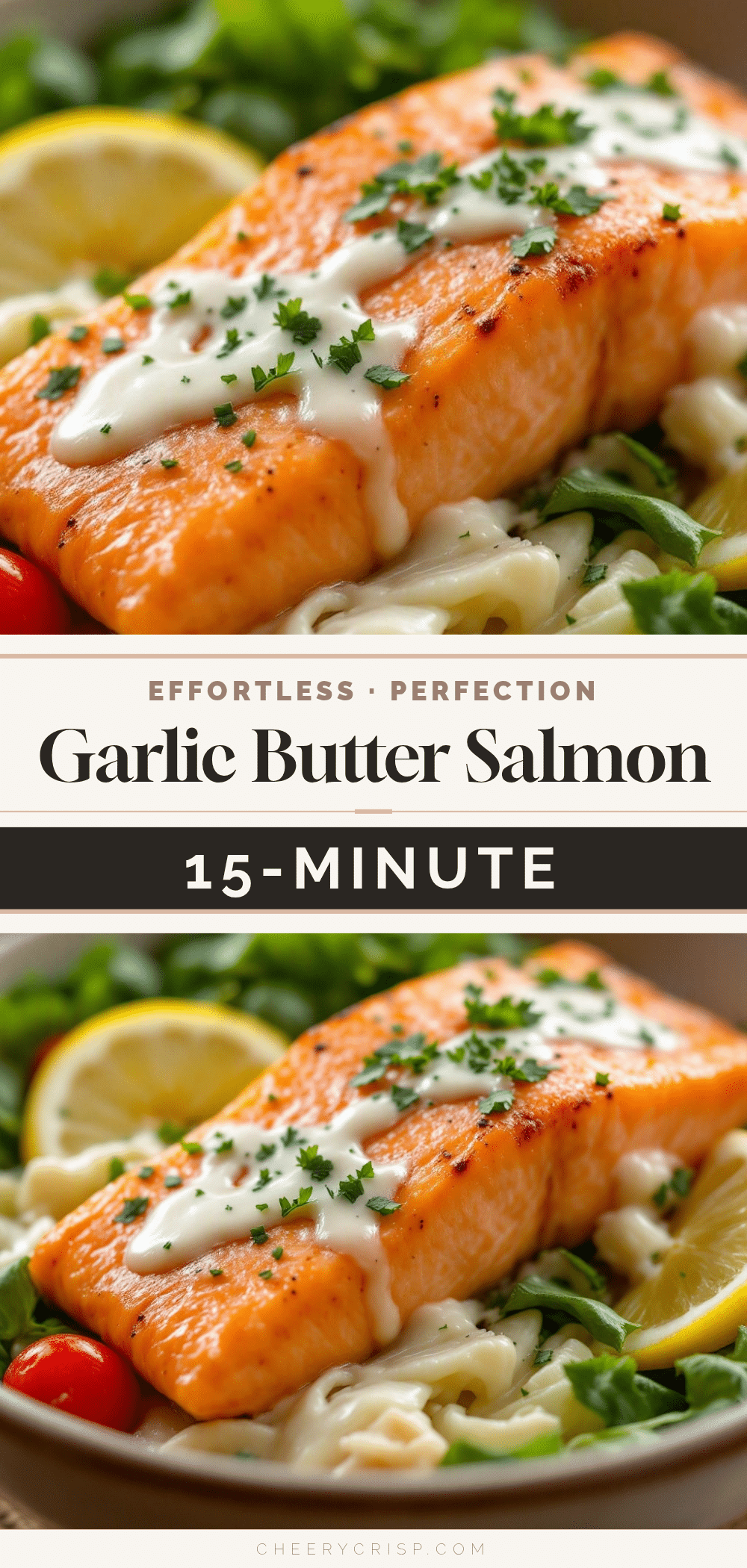
Quick Garlic Butter Salmon with Lemon – Easy 15-Minute Dinner

A simple, no-fuss salmon recipe that delivers restaurant-quality results in just 15 minutes. Garlic butter and lemon create a rich, glossy sauce that coats tender, flaky salmon with crispy edges.
- Prep Time: 5 minutes
- Cook Time: 10 minutes
- Total Time: 15 minutes
- Yield: 4 servings 1x
- Category: Main Course
- Cuisine: American
Ingredients
- 4 salmon fillets (about 6 ounces each)
- 4 tablespoons unsalted butter (1/2 stick)
- 4 cloves garlic, minced
- 2 tablespoons fresh lemon juice (from about 1 lemon)
- 1 teaspoon fine sea salt
- 1/2 teaspoon freshly ground black pepper
- 1 tablespoon olive oil
- 2 tablespoons fresh parsley, chopped (for garnish)
- Lemon slices (for serving)
Instructions
- Pat the salmon fillets dry with paper towels. Let them sit at room temperature for about 5 minutes.
- Season both sides of each fillet with salt and pepper.
- Heat a large non-stick or cast-iron skillet over medium-high heat. Add the olive oil and let it heat for about 2 minutes until shimmering.
- Place the salmon fillets in the hot skillet, skin-side down if they have skin. Press down gently with a spatula for a few seconds. Cook undisturbed for 4 minutes.
- Flip the fillets carefully. Add the butter to the pan, letting it melt around the salmon. Tilt the pan and spoon the melting butter over the tops of the fillets.
- Add the minced garlic to the pan. Stir it into the butter and continue spooning over the salmon. Cook for another 3 to 4 minutes, until the salmon is opaque and flakes easily with a fork.
- Squeeze the fresh lemon juice over the fillets. Let it sizzle for about 30 seconds, then remove the pan from the heat.
- Sprinkle with chopped parsley and add lemon slices for garnish. Serve immediately.
Notes
Pat the salmon dry thoroughly for a good sear. Don’t overcrowd the pan—cook in batches if needed. Watch the garlic closely to prevent burning. Let the salmon rest for a minute before serving. For dairy-free, substitute butter with ghee or vegan butter.
Nutrition
- Serving Size: 1 fillet with sauce
- Calories: 400
- Sugar: 1
- Sodium: 600
- Fat: 28
- Saturated Fat: 12
- Carbohydrates: 2
- Protein: 36
Keywords: garlic butter salmon, lemon salmon, quick salmon recipe, easy salmon dinner, 15-minute salmon, pan-seared salmon