Love this? Save it for later!
Share the inspiration with your friends
I ruined three fillets of salmon last week before I finally understood why the sheet pan method kept failing me. Honestly, I just wanted a quick dinner that didn’t involve standing over a hot stove, but I kept getting dry, overcooked fish. It turns out I was crowding the pan and burning the garlic before the fish was even done. That was the moment I stopped treating salmon like a delicate art project and started treating it like a sturdy, forgiving protein that just needs a good bath in butter and lemon.
The truth is, I used to think sheet pan dinners were lazy. I thought they lacked technique. But after years of burning my fingertips and scraping charred bits off aluminum trays, I realized this is actually the smartest way to cook dinner on a Tuesday. You get crispy edges, tender flesh, and zero cleanup. It’s not about perfection; it’s about getting good food on the table without the stress.
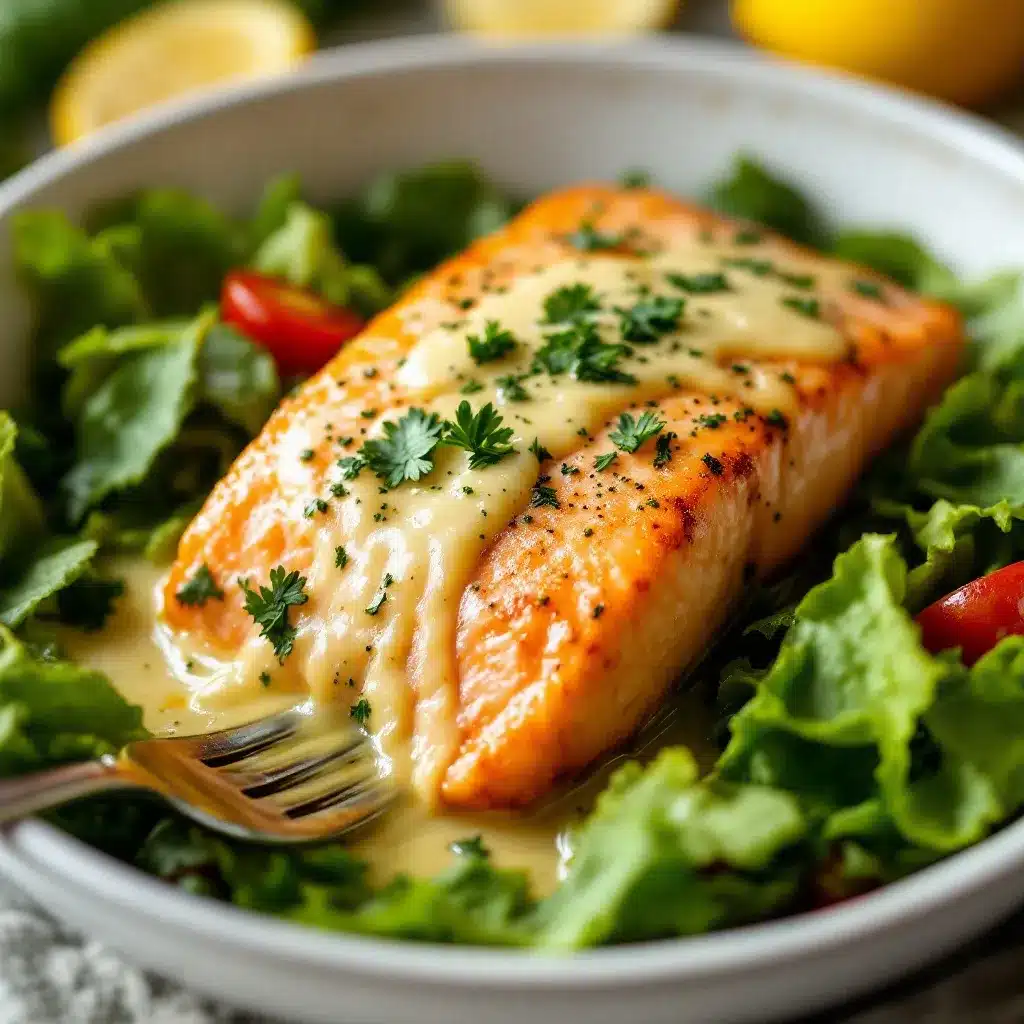
What changed everything was switching to a higher smoke point oil and adding the garlic at the very end. The result is this easy sheet pan salmon with lemon garlic butter that is consistently moist and bursting with flavor. It’s not fancy. It’s not complicated. But it is reliable. I make this at least once a week because it works every single time, even when I’m exhausted and just want to sit down.
I keep coming back to this recipe because it respects my time and my appetite in equal measure. It’s the kind of meal that feels like a treat but requires almost no effort. Once you try it, you’ll see why I stopped buying takeout and started using this method instead.
Why You’ll Love This Recipe
This recipe isn’t just another version of salmon on a tray; it’s the result of testing every possible way to fail so you don’t have to. I’ve been cooking salmon for over a decade, and I’ve learned that the secret isn’t in the fish itself—it’s in the timing and the fat. Here is why this method beats the oven-baked or pan-seared versions every time:
- Quick & Easy: This comes together in under 20 minutes from start to finish. It is perfect for busy weeknights when you are hungry but don’t have the energy to chop a dozen vegetables or monitor a frying pan.
- Simple Ingredients: No fancy grocery trips needed. You likely already have salmon, butter, lemon, and garlic in your kitchen. If you don’t, these are staples you can grab on the way home.
- Perfect for Weeknight Dinners: Great for those nights when you need to feed a family but want to avoid the “what’s for dinner?” argument. It’s foolproof.
- Crowd-Pleaser: Always gets rave reviews from kids and adults alike. The lemon garlic butter masks any “fishy” taste that picky eaters might complain about.
- Unbelievably Delicious: The texture and flavor combo is next-level comfort food. The butter bastes the fish as it cooks, keeping it incredibly moist.
What makes this different from other recipes is the addition of the lemon slices directly on top of the fillets before baking. This steams the fish slightly while infusing it with citrus oils. It’s a small detail that makes a huge difference. Whether you are a seasoned chef or someone who burns toast, this recipe is designed for you. It isn’t just good—it is the kind that makes you close your eyes after the first bite. It’s comfort food reimagined—healthier, faster, but with the same soul-soothing satisfaction. Perfect for impressing guests without stress, or turning a simple meal into something memorable.
What Ingredients You Will Need
This recipe uses simple, wholesome ingredients to deliver bold flavor and satisfying texture without the fuss. You don’t need a pantry full of exotic spices. The magic here comes from the quality of the salmon and the richness of the butter. Here is what you need to get started:
- Salmon Fillets: Look for center-cut fillets, about 6 to 8 ounces each. Center-cut pieces cook more evenly than tail ends. I recommend buying wild-caught Alaskan salmon if your budget allows, as it has a firmer texture that holds up well to baking. (adds richness)
- Unsalted Butter: You will need about half a cup, melted. Using unsalted butter lets you control the sodium level. If you only have salted butter, reduce the added salt in the recipe by half. (use high-quality butter for best flavor)
- Garlic: Four large cloves, minced finely. Fresh garlic is non-negotiable here. Pre-minced jarred garlic has a metallic taste that ruins the dish. (use fresh cloves only)
- Lemon: Two lemons. One for juicing into the butter mixture, and one sliced into rounds for topping. Look for lemons that feel heavy for their size; that indicates they are juicy inside. (adds brightness)
- Olive Oil: Two tablespoons of extra virgin olive oil. This helps conduct heat and prevents the salmon from sticking to the pan. (use a neutral oil if you prefer)
- Dried Dill: One teaspoon. Dill pairs perfectly with lemon and salmon. If you have fresh dill, use two teaspoons, but dried works just fine. (adds herbal notes)
- Red Pepper Flakes: A pinch, optional. Just a tiny bit adds a background warmth that balances the acidity of the lemon. (optional kick)
- Salt and Black Pepper: Kosher salt and freshly cracked black pepper to taste. Season generously; salmon can handle a good amount of salt.
If you need to substitute, you can use trout or cod, though the cooking time may vary slightly. For a dairy-free option, swap the butter for coconut oil or ghee. I personally love using Anchor butter for its consistent texture and rich flavor profile.
How do I choose the best salmon?
Look for fillets that are bright and translucent, not opaque or cloudy. The flesh should feel firm to the touch, not mushy. Avoid salmon that smells overly fishy; it should have a clean, ocean-like scent.
Can I use frozen salmon?
Yes, but you must thaw it completely in the refrigerator overnight. Pat it very dry with paper towels before seasoning. Excess moisture is the enemy of good baking.
Equipment Needed
You don’t need much for this recipe, which is part of the appeal. Here is the essential gear:
- Sheet Pan: A standard 13×18 inch rimmed baking sheet. I prefer dark metal pans because they brown the edges faster, but light aluminum works fine. If you use glass, reduce the oven temperature by 25 degrees.
- Parchment Paper or Silicone Mat: Lining your pan makes cleanup instant. I use parchment paper because it’s disposable and prevents any sticking issues.
- Basting Brush: A silicone basting brush is helpful for applying the butter mixture evenly without touching the raw fish with your hands.
- Microplane or Fine Grater: If you want to zest the lemon before juicing it, a microplane gives you fine zest that melts into the butter beautifully.
If you don’t have a baking sheet, you can use a large oven-safe skillet, but the salmon won’t get the same edge-to-edge exposure to heat. For budget-friendly options, any standard baking sheet from a discount store works perfectly. Just make sure it’s not warped, or your cooking will be uneven.
Preparation Method
Follow these steps carefully to ensure your salmon turns out perfectly every time. Precision matters, especially with cooking times.
- Preheat the Oven: Set your oven to 400°F (200°C). This high heat is crucial for cooking the fish quickly without drying it out. Allow the oven to fully preheat, which takes about 10-15 minutes.
- Prepare the Pan: Line your baking sheet with parchment paper. Lightly grease the paper with a little olive oil or cooking spray to ensure the butter doesn’t burn onto the paper.
- Prep the Salmon: Rinse the salmon fillets under cold water and pat them completely dry with paper towels. Moisture prevents proper browning. Place the fillets on the prepared sheet pan, skin-side down. Ensure there is space between each fillet; do not crowd them. If they touch, they will steam instead of bake.
- Mix the Butter Sauce: In a small microwave-safe bowl, melt the half cup of butter. Add the minced garlic, lemon juice, dried dill, red pepper flakes, salt, and pepper. Whisk vigorously until the mixture is emulsified and smooth. It should look creamy, not separated.
- Season the Fish: Brush half of the butter mixture over the top of each salmon fillet. Sprinkle a little extra black pepper on top. Reserve the remaining butter sauce for basting later.
- Add Lemon Slices: Take the second lemon and slice it into thin rounds. Place two or three slices on top of each fillet. This infuses the fish with citrus flavor as it cooks.
- Bake: Place the pan in the center of the oven. Bake for 12-15 minutes. The exact time depends on the thickness of your fillets. You are looking for the fish to turn opaque and flake easily with a fork.
- Final Baste: About 2 minutes before the timer goes off, remove the pan from the oven. Carefully brush the remaining butter mixture over the top of the salmon. This adds a final layer of gloss and flavor.
- Rest and Serve: Remove from the oven and let the salmon rest for 2-3 minutes. This allows the juices to redistribute. Serve immediately with the pan juices spooned over the top.
If the salmon is still translucent in the thickest part, give it another 2-3 minutes. Remember, residual heat will continue to cook the fish after it comes out of the oven.
How do I know when the salmon is done?
The best way to check is to gently press the top of the fillet with a fork. If it flakes apart easily and feels firm but not hard, it is done. The internal temperature should reach 145°F (63°C), though many chefs prefer pulling it at 135°F (57°C) for a moister result.
Cooking Tips & Techniques
I have made every mistake in the book with salmon, and here is what I learned so you don’t have to. First, never skip the drying step. Wet salmon steams. If you want that slight caramelization on the edges, the surface must be dry. Second, do not walk away from the oven. Salmon goes from perfect to dry in about 60 seconds. Set a timer and watch it.
Another common mistake is using too much garlic. Fresh minced garlic burns quickly at 400°F. That is why I add half the butter mixture before baking and the rest after. This way, the garlic stays fragrant and sweet, not bitter and charred. Also, consider the thickness of your fillets. If some are very thin and others are thick, place the thicker ones in the center of the pan where the heat is most consistent.
Multitasking is easy here because the oven does the work. While the salmon bakes, you can prepare a quick side dish or set the table. This recipe is designed for efficiency. I also recommend using a fish spatula if you have one. The thin, flexible edge slides under the delicate fillet without breaking it. If you don’t have one, a regular spatula works, but be gentle.
Finally, trust your senses. The smell of lemon and baking fish is a great indicator. If it smells like burning garlic, take it out immediately. You can always save the fish by adding a fresh squeeze of lemon to cut the bitterness.
What if I don’t have parchment paper?
You can use aluminum foil, but you must grease it well. Alternatively, you can bake directly on the pan, but be prepared to soak the pan afterward. Parchment paper is worth the small cost for the easy cleanup.
Variations & Adaptations
While the classic lemon garlic butter is my favorite, this method is incredibly versatile. Here are a few ways to change it up:
- Honey Sriracha: Swap the lemon juice and dill for a mixture of honey, sriracha, and soy sauce. This creates a sweet and spicy glaze that is addictive.
- Mediterranean Style: Add chopped olives, cherry tomatoes, and feta cheese to the pan before baking. The tomatoes burst and create a sauce that pairs well with the salmon.
- Asian Ginger Sesame: Replace the lemon with rice vinegar and add fresh grated ginger and toasted sesame seeds. Drizzle with soy sauce after baking.
- Gluten-Free: This recipe is naturally gluten-free. Just ensure your soy sauce (if used) is tamari or a certified gluten-free version.
- Dairy-Free: Use olive oil instead of butter, or use a dairy-free butter alternative. The flavor profile will be slightly different but still delicious.
I personally love adding asparagus to the pan alongside the salmon. It cooks in the same amount of time and absorbs all the lemon garlic butter. It’s a complete meal in one pan. You can also swap the salmon for chicken breasts, though you will need to increase the cooking time by 5-7 minutes.
Can I add vegetables to the sheet pan?
Yes, asparagus and broccoli florets work best. Cut them into similar-sized pieces to ensure even cooking. Place them on the pan before adding the salmon, or tuck them around the fish.
Serving & Storage Suggestions
This dish is best served hot, fresh from the oven. I like to garnish with fresh parsley or extra dill for a pop of color. It pairs wonderfully with roasted potatoes, quinoa, or a simple green salad. A glass of crisp white wine, like Sauvignon Blanc or Pinot Grigio, complements the lemon flavors perfectly.
If you have leftovers, store them in an airtight container in the refrigerator for up to three days. The salmon will keep well, though the texture may become slightly firmer. To reheat, place the salmon in a microwave-safe dish with a splash of water or broth. Microwave on medium power for 30-60 seconds. Avoid high heat, or the fish will become rubbery. You can also reheat it in a 300°F oven for 10 minutes.
Do not freeze cooked salmon if you can help it. The texture suffers significantly upon thawing. If you must freeze, freeze the raw seasoned fillets in a bag, then thaw and cook as directed. The flavors actually develop nicely if you let the seasoned salmon sit in the fridge for an hour before baking, so feel free to prep it ahead of time.
How long do leftovers last?
Properly stored, leftovers last 3-4 days in the fridge. Always check for off-smells before eating. Salmon spoils quickly, so err on the side of caution.
Nutritional Information & Benefits
Salmon is a nutritional powerhouse. It is rich in Omega-3 fatty acids, which are essential for heart health and brain function. A single serving of this recipe provides about 25-30 grams of high-quality protein, which helps with muscle repair and satiety. The lemon adds a boost of Vitamin C, which aids in iron absorption from the fish.
This recipe is low-carb and keto-friendly. It is also high in healthy fats, making it a great choice for anyone following a low-carb or paleo diet. Be mindful of the butter if you are strictly counting calories, but remember that the fat helps keep you full longer. For those with allergies, this recipe is shellfish-free and nut-free, making it safe for most dietary restrictions. I love this dish because it makes me feel energized and healthy without sacrificing flavor.
Is this recipe good for weight loss?
Yes, salmon is a lean protein source that supports weight management. Just be mindful of portion sizes and the amount of butter used.
Conclusion
This easy sheet pan salmon with lemon garlic butter is a game-changer for weeknight dinners. It is simple, healthy, and incredibly delicious. I hope you give it a try and see why I make it so often. Feel free to experiment with the variations to find your favorite flavor combination. Let me know in the comments how you like to eat your salmon—do you prefer it rare or well-done? Share your tips and adaptations with the community.
Thank you for cooking with me. I hope this recipe brings joy to your table and makes your life a little easier. Happy cooking!
FAQs
Can I use frozen salmon for this recipe?
Yes, but you must thaw it completely in the refrigerator overnight. Pat it very dry with paper towels before seasoning to ensure proper baking.
What side dishes go well with sheet pan salmon?
Roasted asparagus, steamed broccoli, quinoa, or a simple arugula salad with vinaigrette are excellent choices. You can also cook vegetables like potatoes or carrots on the same pan.
How do I prevent the garlic from burning?
Adding the garlic to the melted butter and brushing it on halfway through cooking, or adding it after baking, prevents burning. High heat can char garlic quickly.
Can I make this recipe dairy-free?
Yes, simply substitute the butter with olive oil or a dairy-free butter alternative. The flavor will be slightly different but still delicious.
How do I store leftovers?
Store leftovers in an airtight container in the refrigerator for up to three days. Reheat gently in the microwave with a splash of water to keep it moist.
Pin This Recipe!
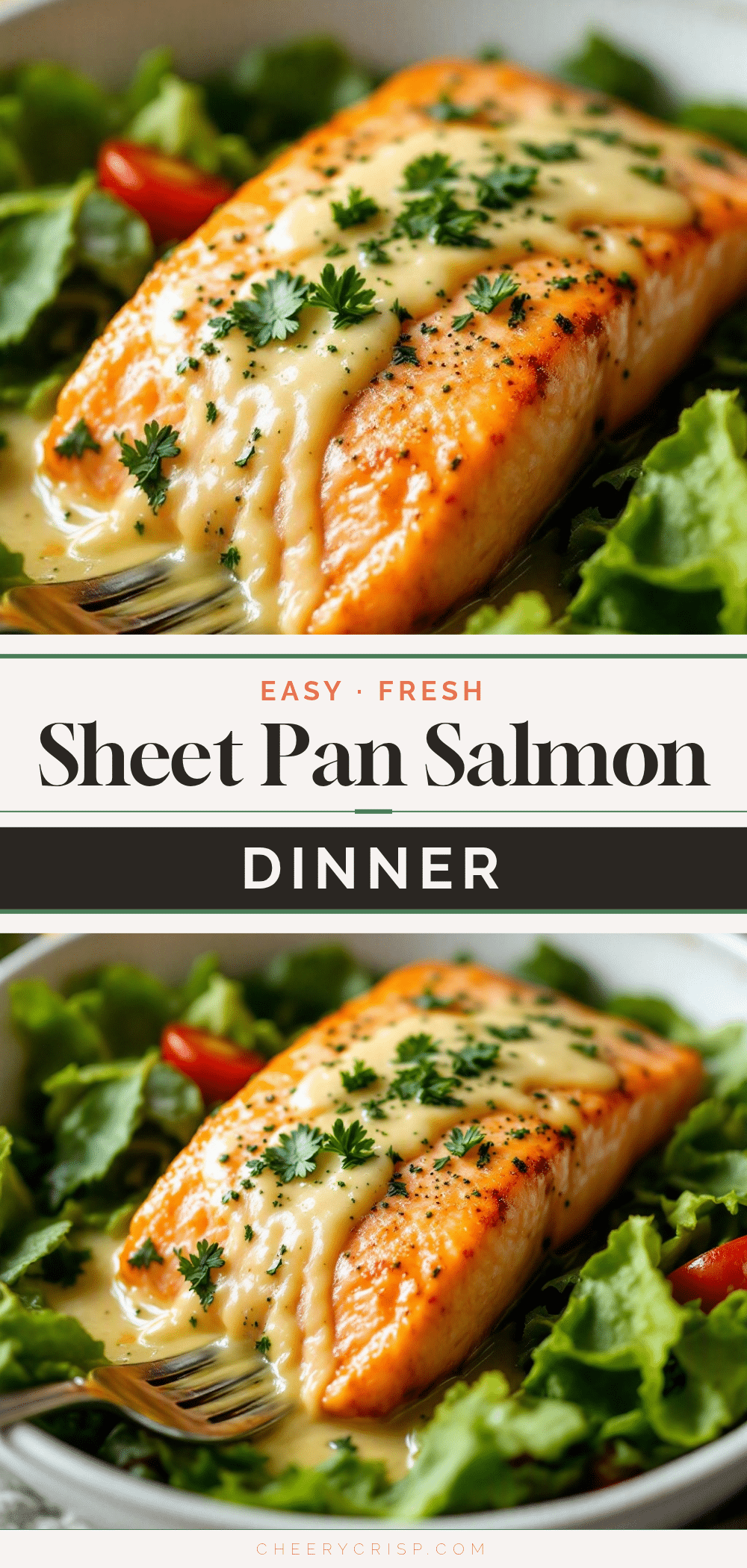
Easy Sheet Pan Salmon with Lemon Garlic Butter
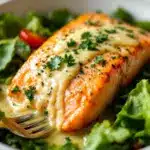
A quick, reliable weeknight dinner featuring moist salmon fillets baked with lemon, garlic, and butter on a single sheet pan for easy cleanup.
- Prep Time: 10 minutes
- Cook Time: 15 minutes
- Total Time: 25 minutes
- Yield: 4 servings 1x
- Category: Main Course
- Cuisine: American
Ingredients
- 4 salmon fillets (center-cut, 6–8 oz each)
- 1/2 cup unsalted butter, melted
- 4 large cloves garlic, minced
- 2 lemons (1 juiced, 1 sliced into rounds)
- 2 tablespoons extra virgin olive oil
- 1 teaspoon dried dill
- Pinch of red pepper flakes (optional)
- Kosher salt and freshly cracked black pepper to taste
Instructions
- Preheat oven to 400°F (200°C).
- Line a 13×18 inch rimmed baking sheet with parchment paper and lightly grease with olive oil.
- Rinse salmon fillets and pat completely dry with paper towels. Place on the prepared pan, ensuring space between fillets.
- In a microwave-safe bowl, melt the butter. Whisk in minced garlic, lemon juice, dried dill, red pepper flakes, salt, and pepper until emulsified.
- Brush half of the butter mixture over the top of each salmon fillet and sprinkle with extra black pepper.
- Place 2-3 lemon slices on top of each fillet.
- Bake for 12-15 minutes, or until fish is opaque and flakes easily.
- Remove from oven and brush with the remaining butter mixture.
- Let rest for 2-3 minutes before serving.
Notes
Ensure salmon is patted very dry to prevent steaming. Do not crowd the pan. Add garlic halfway through or after baking to prevent burning at high heat. Internal temperature should reach 145°F, though 135°F is preferred for moisture.
Nutrition
- Serving Size: 1 fillet per serving
- Calories: 450
- Sugar: 1
- Sodium: 350
- Fat: 32
- Saturated Fat: 14
- Carbohydrates: 2
- Protein: 30
Keywords: salmon, sheet pan dinner, lemon garlic butter, quick dinner, healthy seafood, weeknight meals, keto friendly, gluten free