Love this? Save it for later!
Share the inspiration with your friends
For a while, I just accepted that roasted squash wasn’t going to taste like something worth getting excited about. You know the type. The kind of side dish that shows up on the table, sits there looking a bit soggy, and gets pushed around the plate until it’s finally eaten out of obligation rather than desire. I had tried the usual suspects—cubes of butternut, wedges of acorn—but they all felt heavy, muddy, or just plain boring. There was always that gap between what I wanted (crisp edges, sweet flesh, no mush) and what I actually got (a steamed vegetable masquerading as roast).
Then came the winter I decided to stop buying pre-cut squash because I was tired of paying a premium for someone else’s knife work. That’s when I found the delicata. It was weirdly smooth to handle, lacking the hard, armored shell of its cousins. I remember slicing it open and realizing the skin was edible, which felt like a cheat code I hadn’t known existed. I tossed some slices on a baking sheet with a little oil and spices, expecting the usual mediocre results.
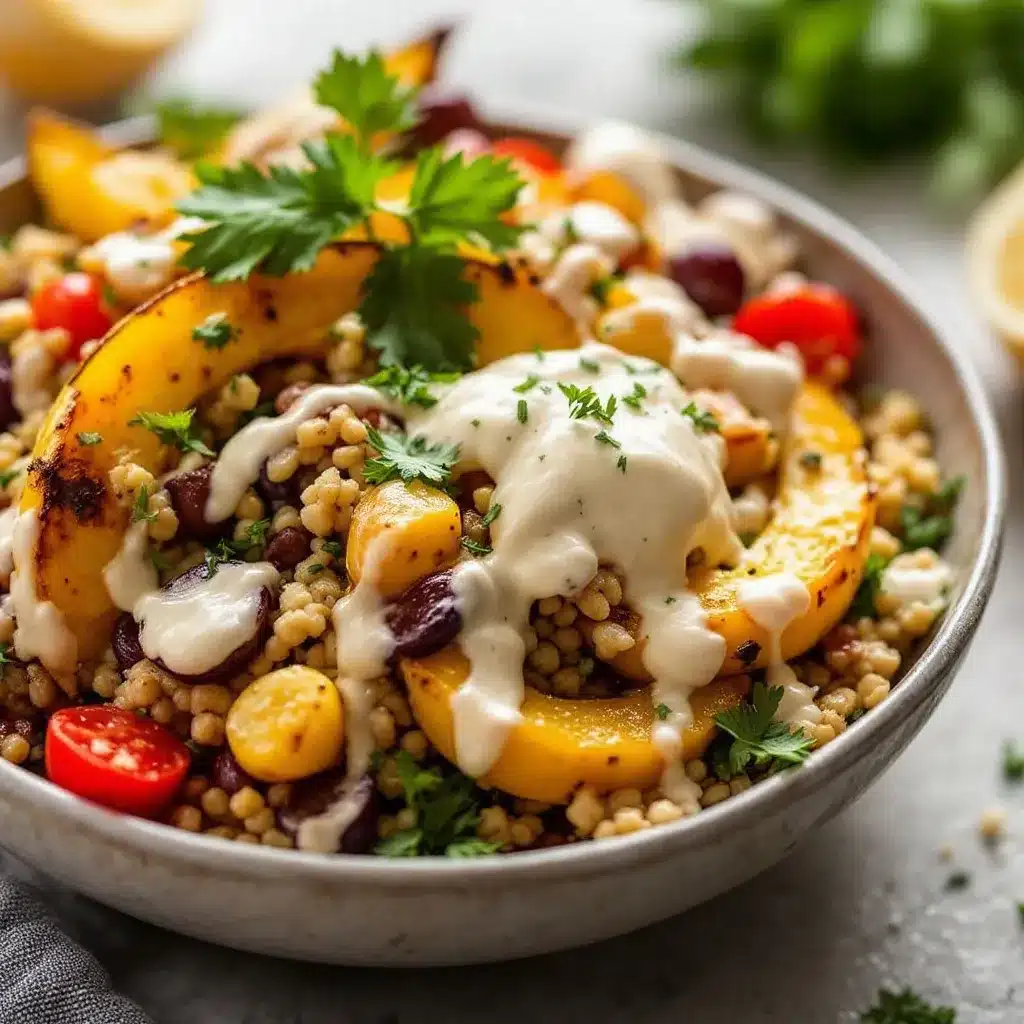
But then I made the tahini. I whipped it up with maple syrup and lemon, pouring it over the hot squash right out of the oven. The contrast was immediate. The crunch of the squash against the creamy, nutty sauce changed everything. It wasn’t just a side dish anymore. It was the kind of meal that made me forget about the rest of the chaotic day. I kept coming back to it, not because it was fancy, but because it was honest. Simple ingredients, good texture, and a flavor profile that just worked.
Now, it’s my go-to when I need something that feels special but doesn’t demand my attention for hours. It’s quiet satisfaction on a plate. You don’t need to be a chef to make it work. You just need to let the squash do its thing and trust the sauce to pull it all together.
Why You’ll Love This Recipe
There are a lot of squash recipes out there, but this one stands out for reasons that go beyond just taste. I’ve tested this method over several winters, tweaking the spice blends and sauce ratios until it felt right. It’s not just about following instructions; it’s about understanding how the ingredients interact. The magic here lies in the simplicity. You aren’t fighting with tough skins or complicated peeling techniques. You are working with a vegetable that wants to be eaten.
- Quick & Easy: From slice to plate, this comes together in under 40 minutes. It’s perfect for those weeknights when you’re tired but still want something warm and comforting.
- Simple Ingredients: You likely already have tahini, maple syrup, and squash in your kitchen or at your local store. No fancy grocery trips needed for obscure spices or hard-to-find items.
- Perfect for Meal Prep: This holds up surprisingly well in the fridge. It’s great for packing lunches or having a ready-made component for quick dinners later in the week.
- Crowd-Pleaser: Even people who claim to hate vegetables usually love this. The sweetness of the maple balances the earthiness of the tahini perfectly.
- Unbelievably Delicious: The texture contrast is key. Crispy edges, soft centers, and a sauce that coats everything without making it soggy (if you time it right).
What makes this different from other roasted squash recipes is the preparation of the delicata itself. By leaving the skin on, you retain nutrients and save time. Plus, the skin crisps up beautifully in the oven. I also find that the tahini sauce acts as a binder for the spices, helping them stick to the squash better than oil alone would. It’s a small detail, but it makes a huge difference in flavor distribution. This isn’t just another roasted vegetable dish; it’s a balanced, satisfying experience that feels nourishing without being heavy.
What Ingredients You Will Need
This recipe relies on a handful of high-quality ingredients to deliver bold flavor and satisfying texture. The beauty of using delicata squash is that it reduces prep time significantly, allowing you to focus on the sauce and seasoning. Most of these items are pantry staples, making it easy to whip up whenever the craving strikes.
- Delicata Squash (1-2 medium): Look for firm squash with no soft spots. These are small enough to fit in one hand, which makes them easier to handle. The skin is edible, so no peeling required. If you can’t find delicata, acorn squash is a decent substitute, though the texture will be different.
- Extra Virgin Olive Oil: You need enough to coat the squash generously. I prefer a mild, fruity oil so it doesn’t overpower the delicate flavor of the squash. About 2-3 tablespoons should do it.
- Tahini: This is the star of the sauce. Use a well-stirred, smooth tahini paste. Brands like Al Arz or Wegmans work well. If it’s separated, stir it vigorously until creamy. The nutty, slightly bitter flavor balances the sweetness perfectly.
- Maple Syrup: Use pure maple syrup, not the pancake syrup kind. The real stuff has depth and complexity that artificial sweeteners can’t match. It adds that necessary sweetness to cut through the richness of the tahini.
- Lemon Juice: Freshly squeezed is non-negotiable. Bottled juice lacks the brightness needed to lift the heavy flavors. The acidity helps emulsify the tahini and keeps the dish from tasting too dense.
- Garlic (1 clove): Fresh garlic adds a savory punch. Grate it finely so it disperses evenly in the sauce. If you’re sensitive to raw garlic, you can roast a clove with the squash instead.
- Spices: I use a mix of smoked paprika, cumin, and a pinch of cayenne. Smoked paprika adds depth, cumin adds warmth, and cayenne adds a tiny kick. Adjust the cayenne based on your heat preference.
- Salt and Black Pepper: Season generously. Kosher salt is best because it adheres well to the squash slices.
- Optional Garnishes: Toasted sesame seeds, fresh parsley, or pomegranate arils add texture and visual appeal. They’re not necessary, but they make the dish feel more finished.
Substitution notes: If you’re dairy-free or vegan, this recipe is already compliant. For a nut-free version, you can swap tahini for sunflower seed butter, though the flavor will be milder. In summer, you might swap the delicata for zucchini, but the cooking time will be much shorter.
Equipment Needed
You don’t need a fancy kitchen to make this recipe work. Basic tools will get you the best results. A large baking sheet is essential. I prefer a rimmed half-sheet pan because it gives the squash plenty of room to breathe. If the slices are crowded, they’ll steam instead of roast, and you won’t get that desirable crispness. A second sheet pan lined with parchment paper makes cleanup easier, though not strictly necessary.
A medium bowl is needed for tossing the squash in oil and spices. Make sure it’s large enough to allow the slices to move around freely. For the sauce, a small bowl and a whisk (or a small fork) are all you need. Some people use a blender, but for this simple emulsion, manual whisking gives you better control over the consistency. If you don’t have a whisk, a fork works fine.
A sharp chef’s knife is important for slicing the squash. Delicata can be slippery, so be careful. A dull knife is more dangerous because it requires more force. If your knife is dull, sharpen it or use a different one. A cutting board with a non-slip base is also helpful for safety. Finally, a measuring spoon set ensures your spice ratios are consistent. Consistency is key to getting the flavor right every time you make it.
How do I get the squash crispy?
The secret is spacing. Don’t overcrowd the pan. Use two pans if necessary. High heat (400°F/200°C) also helps caramelize the natural sugars in the squash.
Preparation Method
Start by preheating your oven to 400°F (200°C). This temperature is high enough to roast the squash quickly, creating crispy edges while keeping the interior tender. While the oven heats, prepare your workspace. Line a large baking sheet with parchment paper or lightly grease it with olive oil. This prevents sticking and makes cleanup a breeze.
Wash the delicata squash thoroughly. Since we are leaving the skin on, removing any dirt is important. Cut off both ends of the squash. Then, slice it into half-moon pieces, about 1/2 inch thick. You want uniform thickness so they cook evenly. Remove the seeds with a spoon. They’re edible and can be roasted separately if you want a snack, but for this recipe, we’ll discard them or save them for another use.
Place the squash slices in a large bowl. Drizzle with olive oil and sprinkle with salt, pepper, smoked paprika, cumin, and cayenne. Toss everything together until the slices are evenly coated. The oil should look glossy, not dry. If some pieces look bare, add a little more oil. Spread the slices in a single layer on the prepared baking sheet. Make sure they aren’t touching. This is crucial for roasting rather than steaming.
Roast the squash for 20-25 minutes. Halfway through, flip the slices. You’ll know they’re done when the edges are browned and crispy, and a fork easily pierces the flesh. The squash should be tender but not mushy. Remove from the oven and set aside.
While the squash roasts, make the tahini sauce. In a small bowl, combine the tahini, maple syrup, lemon juice, and grated garlic. Whisk vigorously. The mixture will thicken and lighten in color as you whisk. If it’s too thick, add a tablespoon of warm water at a time until you reach a drizzle-able consistency. Taste and adjust. Add more lemon for acidity or more maple for sweetness. It should be balanced.
Once the squash is out of the oven, drizzle the tahini sauce over the hot slices. Toss gently to coat, or serve the sauce on the side. Sprinkle with toasted sesame seeds and fresh parsley if using. Serve immediately while the squash is still warm and crispy. The contrast between the hot, crunchy squash and the cool, creamy sauce is what makes this dish special.
Can I prepare this ahead of time?
You can prep the squash slices and store them in the fridge for up to 24 hours. Toss with oil and spices right before roasting. The sauce can be made up to 3 days in advance and stored in the fridge. Let it come to room temperature before serving.
Cooking Tips & Techniques
One common mistake is under-seasoning the squash. The spices need to adhere to the oil, so don’t skimp on the toss. I’ve learned this the way many cooks do—by eating bland squash and wondering why it tasted like nothing. The oil acts as a carrier for the flavors, so ensure every slice is coated.
Another tip is to watch the squash closely in the last few minutes of roasting. Sugary vegetables can burn quickly. If you see dark edges, lower the oven temperature slightly or remove the pan sooner. Burnt bits add a bitter taste that ruins the balance. You want caramelization, not charring.
When making the tahini sauce, patience is key. Whisking incorporates air and breaks down the paste, creating a smooth, creamy texture. If you rush it, the sauce might be grainy. Adding warm water helps emulsify it faster. Also, taste the sauce before pouring it over the squash. It should be slightly more intense than you think it needs to be, as the warm squash will mellow the flavors.
If you’re using a gas oven, keep an eye on the bottom rack. The direct heat can sometimes cause uneven browning. Rotating the pan halfway through helps ensure even cooking. For convection ovens, you might need to reduce the temperature by 25°F to prevent over-browning.
What if my tahini is too thick?
Tahini varies by brand. If it’s stiff, add warm water one teaspoon at a time. Keep whisking until it reaches a pourable consistency. Don’t add cold water, as it can shock the tahini and make it seize.
Variations & Adaptations
This recipe is versatile enough to adapt to different tastes and dietary needs. For a spicy kick, add more cayenne or a dash of hot sauce to the tahini. If you prefer sweetness, increase the maple syrup or add a pinch of cinnamon to the spice blend.
For a protein boost, toss in some chickpeas or cubed tofu with the squash during the last 15 minutes of roasting. They’ll absorb the flavors and add a hearty element to the dish. This makes it a complete meal rather than just a side.
If you’re avoiding nuts, sunflower seed butter works as a substitute for tahini. The flavor will be milder, so you might want to add a little extra lemon or garlic to compensate. For a gluten-free version, ensure your spices and tahini are certified gluten-free, though tahini is naturally gluten-free.
I once tried adding rosemary to the spice blend, and it worked surprisingly well. The herbal note complemented the earthiness of the squash. Experiment with different herbs like thyme or sage to find your favorite combination. The base recipe is a canvas, so feel free to paint it with your own flavors.
Can I use frozen squash?
Fresh is best for crispiness. Frozen squash releases too much water and becomes mushy. If you must use frozen, thaw it completely and pat it dry before roasting, but expect a softer texture.
Serving & Storage Suggestions
Serve this dish warm as a side to grilled chicken, roasted salmon, or quinoa. It pairs well with grain bowls, like the cozy fall harvest grain bowl with roasted vegetables, adding a sweet and savory element. It also complements heartier mains like apple cider braised pork chops, where the sweetness balances the rich sauce.
Store leftovers in an airtight container in the refrigerator for up to 3 days. The squash will soften slightly, but the flavors remain good. Reheat in a skillet over medium heat to restore some crispness, or in the oven at 350°F for 10 minutes. Avoid the microwave, as it makes the squash soggy.
The tahini sauce can be stored separately for up to 5 days. Stir well before using, as separation is natural. If you’re meal prepping, keep the sauce and squash separate until serving to maintain texture.
How long does it keep in the fridge?
The roasted squash keeps well for 3-4 days. The sauce lasts up to 5 days. Both freeze well, though the texture of the squash may change upon thawing.
Nutritional Information & Benefits
Delicata squash is rich in vitamins A and C, which support immune health and vision. It’s also a good source of fiber, aiding digestion. Tahini provides healthy fats and calcium, making this dish nutritious and satisfying. The maple syrup adds natural sweetness without refined sugars, though it should be consumed in moderation.
This recipe is naturally gluten-free and vegan, making it accessible for many dietary preferences. The combination of complex carbs, healthy fats, and fiber helps stabilize blood sugar levels. It’s a wholesome choice that fuels the body without feeling heavy. I appreciate recipes that nourish me while still tasting indulgent.
Is this recipe keto-friendly?
Delicata squash contains carbohydrates, so it’s not strictly keto. However, it’s lower in carbs than other squashes like butternut. Adjust portions accordingly if you’re tracking carbs.
Conclusion
This crispy roasted delicata squash with creamy maple tahini is a testament to the power of simple ingredients. It’s a dish that brings comfort and joy to the table without requiring hours of effort. I love how it transforms a humble vegetable into something special. The contrast of textures and flavors keeps me coming back to it, season after season.
I encourage you to try this recipe and make it your own. Adjust the spices, add your favorite toppings, or serve it with your favorite protein. Share your creations and let me know how it turned out. Did you add extra cayenne? Did you toss in some chickpeas? I’d love to hear about your adaptations.
Thanks for reading, and happy cooking. Here’s to finding joy in the simple things, one bite at a time.
FAQs
What is delicata squash?
Delicata squash is a type of winter squash with a thin, edible skin and sweet, mild flesh. It’s smaller and easier to prepare than other winter squashes.
Can I use butternut squash instead?
Yes, but you’ll need to peel it and cube it. The cooking time may vary, so check for doneness with a fork.
How do I know when the squash is done?
The edges should be browned and crispy, and a fork should easily pierce the flesh. It should be tender but not mushy.
Can I make the tahini sauce ahead of time?
Yes, the sauce can be made up to 3 days in advance. Store it in an airtight container in the fridge.
Is tahini high in calories?
Tahini is calorie-dense due to its fat content, but it’s healthy fat. Use it in moderation as part of a balanced diet.
Pin This Recipe!
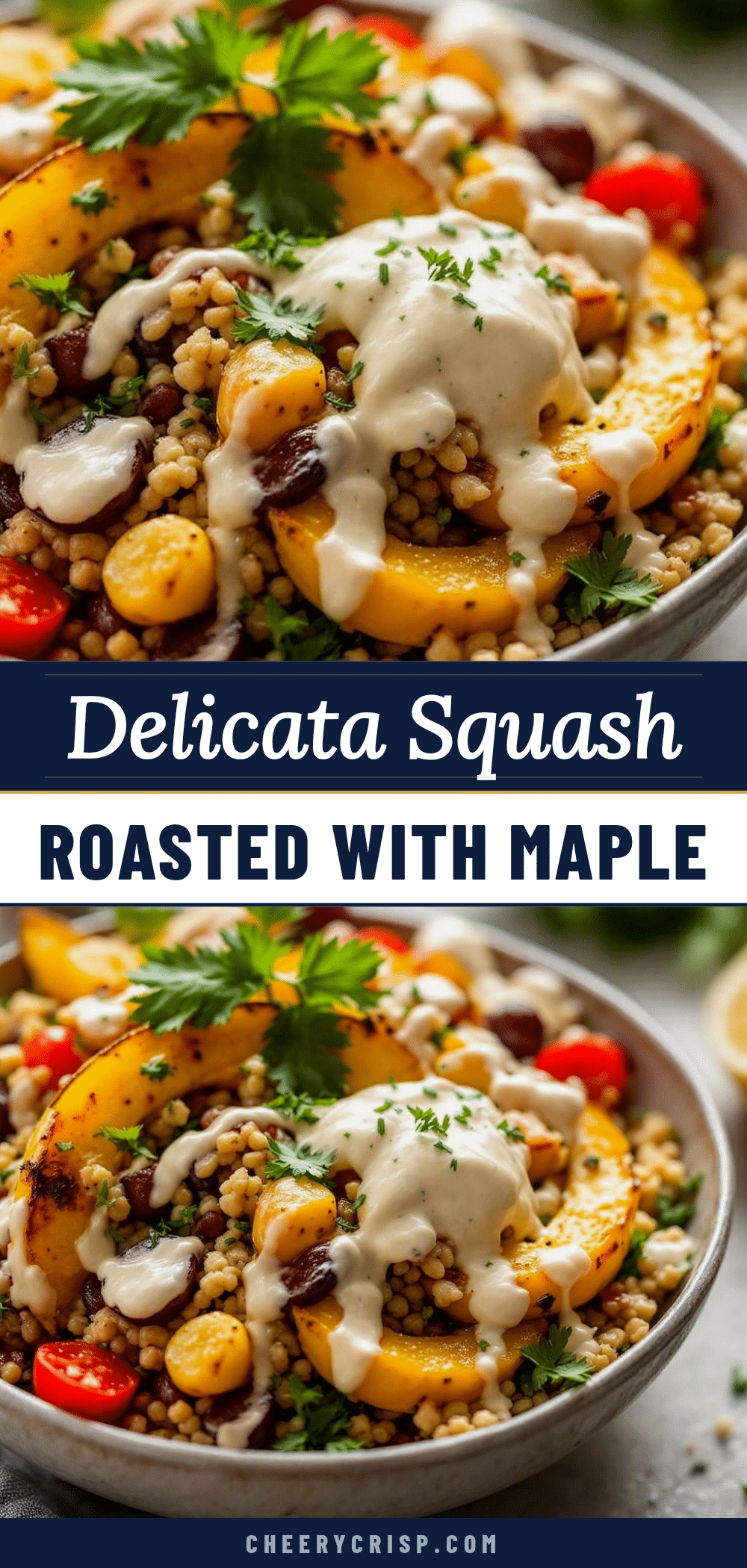
Crispy Roasted Delicata Squash with Creamy Maple Tahini
A simple yet elegant side dish featuring roasted delicata squash with crispy edges and a creamy, nutty maple tahini sauce. This vegan and gluten-free recipe comes together in under 40 minutes.
- Prep Time: 15 minutes
- Cook Time: 25 minutes
- Total Time: 40 minutes
- Yield: 4 servings 1x
- Category: Side Dish
- Cuisine: American
Ingredients
- 1–2 medium delicata squash
- 2–3 tablespoons extra virgin olive oil
- 1/2 cup tahini (well-stirred)
- 2 tablespoons pure maple syrup
- 1 tablespoon fresh lemon juice
- 1 clove garlic (grated)
- 1 teaspoon smoked paprika
- 1/2 teaspoon cumin
- 1/4 teaspoon cayenne pepper (adjust to taste)
- Kosher salt and black pepper to taste
- Optional garnishes: toasted sesame seeds, fresh parsley, pomegranate arils
Instructions
- Preheat oven to 400°F (200°C). Line a large rimmed baking sheet with parchment paper or grease lightly with olive oil.
- Wash the delicata squash thoroughly. Cut off both ends and slice into half-moon pieces, approximately 1/2 inch thick. Remove and discard the seeds.
- Place squash slices in a large bowl. Drizzle with olive oil and sprinkle with salt, pepper, smoked paprika, cumin, and cayenne. Toss until evenly coated.
- Spread squash slices in a single layer on the prepared baking sheet, ensuring they are not touching to allow for crisping.
- Roast for 20-25 minutes, flipping halfway through, until edges are browned and crispy and flesh is tender.
- While squash roasts, whisk tahini, maple syrup, lemon juice, and grated garlic in a small bowl until smooth and creamy. Add warm water one teaspoon at a time if the sauce is too thick.
- Remove squash from oven and drizzle with tahini sauce. Toss gently to coat or serve sauce on the side.
- Garnish with toasted sesame seeds and fresh parsley if desired. Serve immediately.
Notes
Do not overcrowd the pan to ensure the squash roasts rather than steams. The skin of the delicata squash is edible and becomes crispy when roasted. If using a convection oven, reduce temperature by 25°F. Leftovers can be stored in the fridge for up to 3 days; reheat in a skillet or oven to restore crispness.
Nutrition
- Serving Size: Approximately 1 cup
- Calories: 280
- Sugar: 12
- Sodium: 350
- Fat: 18
- Saturated Fat: 2
- Carbohydrates: 28
- Fiber: 5
- Protein: 6
Keywords: delicata squash, roasted squash, tahini sauce, maple tahini, vegan side dish, gluten-free, healthy dinner, fall recipes, crispy vegetables