Love this? Save it for later!
Share the inspiration with your friends
It was November, and the kind of cold that seeps through your socks and settles in your bones. I had just pulled a casserole dish from the oven, the steam rising in lazy curls that smelled like roasted squash and melted Gruyère. My partner was shivering on the couch, wrapped in three blankets, while I stood by the stove waiting for the pasta to boil. That specific aroma, a mix of earthy pumpkin and salty fat, was the only thing keeping me warm.
I remember dipping a fork into the center, pulling up a string of cheese that threatened to break my patience. It wasn’t just mac and cheese. It was a hug in a bowl. The sweetness of the butternut squash cut through the richness of the béchamel, and then came the sage. That crispy, browned leaf added a texture I didn’t know I was missing. It was savory, slightly bitter, and absolutely perfect.
Over the years, I’ve made this creamy butternut squash mac and cheese with crispy sage dozens of times. Sometimes I use gouda, sometimes I stick to cheddar. Once, I even tried adding bacon bits, but honestly? The sage is the star. It’s that one ingredient that transforms a simple comfort food into something that feels like a fine dining experience, but without the stress.
I still make it every time the leaves start to fall. It’s my way of holding onto that autumn feeling a little longer. There’s something deeply comforting about roasting a squash until it’s tender, blending it into a silky sauce, and baking it until it bubbles. You know, it’s not just about the food. It’s about the ritual. The smell filling the house. The quiet satisfaction of knowing you made something that tastes like home.
This recipe has become my go-to when I need to feed a crowd or just need a little comfort after a long week. It’s easy to make, uses simple ingredients, and always turns out delicious. If you haven’t tried it yet, you’re missing out. Trust me on this one.
Why You’ll Love This Recipe
Let’s be honest, most mac and cheese recipes are fine. They’re good. But this one? It’s different. I’ve tested this creamy butternut squash mac and cheese with crispy sage over three different autumns, tweaking the ratios until the sauce was just right. It’s not just about adding puree to cheese; it’s about building a flavor profile that stands on its own. Here’s why this dish keeps coming back to my stove:
- Quick & Easy: You might think roasting a squash takes forever, but while it’s in the oven, you’re free to make the sauce and boil the pasta. The whole process comes together in under 45 minutes, which is perfect for busy weeknights when you want something fancy but don’t have hours to spend.
- Simple Ingredients: No fancy grocery trips needed. You likely already have eggs, butter, flour, and milk in your kitchen. The butternut squash is usually pre-cut in the store these days, so you don’t even have to peel it yourself. It’s accessible cooking at its best.
- Perfect for Fall Gatherings: Whether it’s a cozy dinner for two or a potluck with friends, this dish fits right in. It pairs beautifully with other seasonal favorites, like the cozy salted caramel apple crisp for dessert. It feels festive without being overly complicated.
- Crowd-Pleaser: Kids usually love the sweetness of the squash, and adults appreciate the sophisticated flavor of the sage. It’s a rare dish that satisfies all palates without anyone complaining about “vegetables” in their dinner.
- Unbelievably Delicious: The texture is next-level. The sauce is velvety smooth, clinging to every noodle. The crispy sage on top adds a necessary crunch that prevents the dish from feeling too heavy. It’s comfort food reimagined.
What makes this recipe stand out from the rest is the balance. Many people make squash mac and cheese too sweet. By adding black pepper, nutmeg, and that punch of savory sage, we keep it grounded. It’s not a dessert disguised as dinner. It’s a savory, rich, soul-soothing meal that reminds you of why you love cooking in the first place. It’s the kind of dish that makes you close your eyes after the first bite and just sigh.
What Ingredients You Will Need
This recipe uses simple, wholesome ingredients to deliver bold flavor and satisfying texture without the fuss. You don’t need a pantry full of exotic spices. Just a few key components come together to create that signature creamy, orange-hued sauce. Here is what you’ll need to get started:
For the Pasta
- Elbow Macaroni: 1 pound. I prefer a sturdy pasta that holds up to baking. You could also use cavatappi or shells if you want a different shape.
- Salt: For the boiling water. You want it to taste like the sea.
For the Butternut Squash Sauce
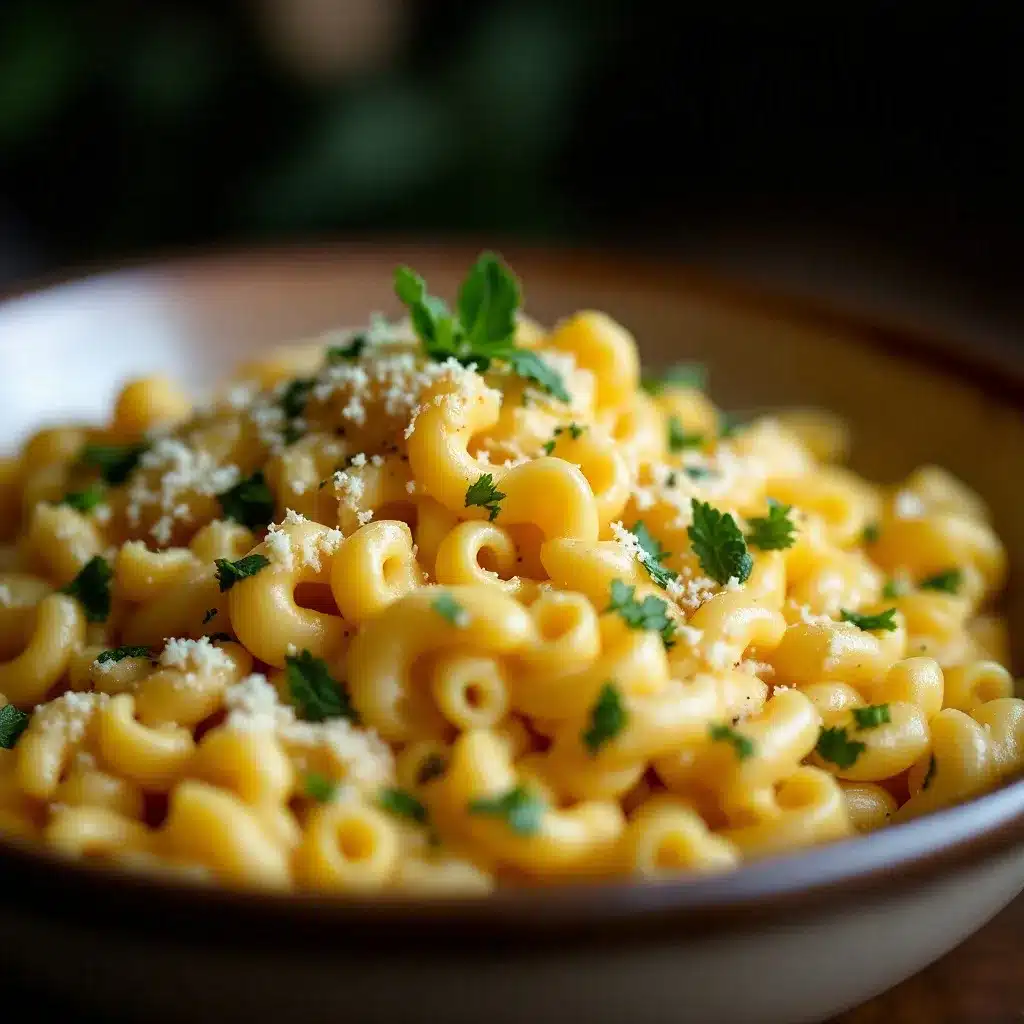
- Butternut Squash: 1 large (about 3-4 lbs). Look for one that feels heavy for its size. If you’re short on time, you can use pre-pureed squash, but fresh roasted flavor is superior. I recommend buying it pre-peeled from the store to save time.
- Unsalted Butter: 4 tablespoons. I use Land O’Lakes because it has a consistent fat content that helps emulsify the sauce nicely. Room temperature is easier to work with.
- All-Purpose Flour: 1/3 cup. This creates the roux, the thickening agent for our béchamel base.
- Milk: 3 cups. Whole milk is best for richness, but 2% works too. Dairy-free milk can be used if needed, though the texture might be slightly thinner.
- Garlic: 2 cloves, minced. Don’t skip this. It adds depth.
- Nutmeg: 1/4 teaspoon. Freshly grated is ideal, but ground is fine. It complements the squash perfectly.
- Black Pepper: 1/2 teaspoon. Freshly cracked.
- Salt: To taste. Remember, cheese is salty, so go easy here.
For the Cheese Blend
- Sharp Cheddar Cheese: 2 cups, shredded. I recommend Cabot or Tillamook for their sharp flavor. Pre-shredded cheese contains anti-caking agents that can make your sauce grainy, so shred it yourself.
- Gruyère Cheese: 1 cup, shredded. This Swiss cheese melts beautifully and adds a nutty, sophisticated note. It’s the secret weapon for a restaurant-quality sauce.
For the Crispy Sage Topping
- Fresh Sage Leaves: 1/2 cup. Look for vibrant green leaves without holes. They should be fresh, not wilted.
- Butter: 2 tablespoons. For frying.
- Salt: A pinch.
If you can’t find fresh sage, dried sage works, but you won’t get that crispy texture. It’s better to leave it out than use dried. Also, feel free to swap the Gruyère for Fontina if you prefer a milder flavor. The key is to use cheeses that melt well.
Equipment Needed
You don’t need a fancy kitchen to make this. Here is what you’ll need:
- Large Pot: For boiling the pasta. A 6-quart pot is standard.
- Baking Sheet: To roast the squash. Line it with parchment paper for easy cleanup.
- Immersion Blender or Standard Blender: To puree the squash. An immersion blender is easier because you can puree it right in the pot.
- Medium Saucepan: For making the roux and béchamel sauce.
- 9×13 Inch Baking Dish: A ceramic or glass dish works best for even heating.
- Small Skillet: For frying the sage leaves. A non-stick pan is helpful here.
If you don’t have an immersion blender, transfer the squash to a regular blender. Be careful with hot liquids—remove the center cap and cover with a towel to let steam escape. It can explode if you’re not careful. Also, a sharp chef’s knife is essential for chopping the squash safely. Use a stable cutting board and take your time.
Preparation Method
- Roast the Squash (20 minutes prep, 45 minutes cook): Preheat your oven to 400°F (200°C). Cut the butternut squash in half lengthwise and scoop out the seeds. Brush the cut sides with a little olive oil and season with salt. Place them cut-side down on a baking sheet. Roast for 40-45 minutes until a fork slides in easily. Let it cool, then scoop the flesh out. You should have about 3 cups of puree. Pro tip: Roast more than you need and freeze the rest for future meals.
- Boil the Pasta (10 minutes): Bring a large pot of salted water to a boil. Add the elbow macaroni and cook according to package directions until al dente. Drain, but reserve 1 cup of the starchy pasta water. Toss the pasta with a little oil to prevent sticking. Note: Don’t overcook the pasta, as it will continue to cook in the oven.
- Make the Roux (5 minutes): In a medium saucepan, melt 4 tablespoons of butter over medium heat. Whisk in the flour and cook for 2 minutes, stirring constantly, until it turns a light golden color. This removes the raw flour taste. Watch closely so it doesn’t burn.
- Create the Béchamel (7 minutes): Gradually whisk in the milk, a little at a time, to avoid lumps. Continue whisking until the mixture thickens and coats the back of a spoon. This should take about 5-7 minutes. Stir in the minced garlic, nutmeg, salt, and pepper. Remove from heat.
- Combine Sauce and Squash (2 minutes): Stir the roasted butternut squash puree into the béchamel sauce. Mix until smooth and orange. The sauce should be thick but pourable. If it’s too thick, add a splash of the reserved pasta water. Season to taste here, as the cheese will add salt later.
- Add the Cheese (3 minutes): Stir in the shredded cheddar and Gruyère cheese. Mix until fully melted and smooth. This is your cheesy sauce base. Remove from heat immediately to prevent the cheese from separating.
- Combine Pasta and Sauce (2 minutes): In a large bowl, toss the cooked pasta with the cheese sauce. Add a splash of pasta water if needed to get it creamy. Pour the mixture into your greased 9×13 baking dish.
- Fry the Sage (3 minutes): While the pasta bakes, melt 2 tablespoons of butter in a small skillet over medium heat. Add the sage leaves and fry for 30-60 seconds until crisp and dark green. Remove with a slotted spoon and drain on a paper towel. Be careful, the butter will splatter.
- Bake (20 minutes): Cover the baking dish with foil and bake at 350°F (175°C) for 15 minutes. Remove the foil and bake for another 5 minutes to let the top set. Do not bake uncovered from the start, or the top will burn before the center is hot.
- Finish and Serve: Sprinkle the crispy sage leaves over the top of the hot mac and cheese. Let it rest for 5 minutes before serving. This helps the sauce set slightly so it doesn’t run everywhere. Enjoy immediately while it’s hot and cheesy.
Cooking Tips & Techniques
I learned this the hard way: don’t rush the roux. If you add milk too quickly, you’ll get lumps that are impossible to whisk out later. Whisk constantly and keep the heat medium. Also, the type of cheese matters. Old cheeses tend to be oily when melted. Using younger, fresher cheese often results in a smoother sauce. If you must use aged cheese, shred it yourself and mix it with a little cornstarch to help it melt evenly.
Another common mistake is using too much squash. The sauce needs to be creamy, not like soup. If you add too much puree, the mac and cheese will be loose and fall apart on your plate. Stick to the ratio of 3 cups puree to 3 cups milk for a thick, comforting texture. And for the sage, don’t skip the frying step. Raw sage has a bitter, pine-like flavor that many people don’t enjoy. Frying it in butter mellows the bitterness and adds that crucial crunch. It’s a small step that makes a huge difference in the final dish.
Multitasking is key here. While the squash roasts, you can prep the cheese and chop the garlic. This saves time when you’re ready to assemble. Also, if you’re making this for a party, you can assemble the dish ahead of time and refrigerate it. Just add 10-15 minutes to the baking time if you’re putting it in cold from the fridge. It’s a great make-ahead option for holiday dinners.
Variations & Adaptations
This recipe is very flexible. Here are a few ways to make it your own:
- Gluten-Free Option: Use a gluten-free elbow pasta and substitute the all-purpose flour with a 1:1 gluten-free baking flour. The texture will be slightly different, but still delicious.
- Dairy-Free: Swap the butter for vegan butter and use dairy-free milk and cheese. Daiya or Violife cheeses melt reasonably well. The flavor won’t be exactly the same, but it will still be creamy and satisfying.
- Add Protein: For a heartier meal, add cooked bacon bits, shredded chicken, or even sautéed mushrooms. Mushrooms add an earthy flavor that pairs well with the sage. If you’re looking for other comfort food ideas, try this cheesy ground beef and rice skillet for a different kind of comfort.
- Spicy Twist: Add a pinch of cayenne pepper or red pepper flakes to the sauce. The heat cuts through the richness and adds a nice kick.
I once tried adding caramelized onions to this recipe, and it was amazing. The sweetness of the onions complemented the squash perfectly. It’s worth experimenting. You can also swap the Gruyère for smoked Gouda if you want a smokier flavor. These small changes keep the recipe interesting and prevent it from becoming boring.
Serving & Storage Suggestions
Serve this mac and cheese hot, straight from the oven. It pairs beautifully with a simple green salad with a vinaigrette dressing to cut through the richness. For a full autumn meal, consider serving it with garlic butter salmon or roasted Brussels sprouts. A glass of crisp white wine, like a Sauvignon Blanc, also goes well with the flavors.
Store leftovers in an airtight container in the refrigerator for up to 4 days. The sauce may thicken in the fridge, so add a splash of milk when reheating. Reheat in the microwave with a lid on to keep it moist, or in the oven at 350°F covered with foil. It freezes well too. Wrap individual portions in foil and freeze for up to 3 months. Thaw overnight in the fridge before reheating.
Flavors often develop over time, so this dish actually tastes better on day two. The cheese melds with the sauce, creating an even deeper flavor. Just make sure to reheat it thoroughly. Don’t store it at room temperature for more than 2 hours to avoid food safety issues.
Nutritional Information & Benefits
While this is definitely comfort food, it does have some nutritional benefits. Butternut squash is packed with Vitamin A, which is great for eye health and immune function. It’s also a good source of fiber, which aids digestion. The cheese provides calcium and protein, which are essential for bone health. However, it is calorie-dense due to the cheese and butter, so enjoy in moderation. For those watching their carb intake, you can swap the pasta for cauliflower florets, though the texture will be quite different. This recipe is not gluten-free or dairy-free by default, but adaptations are easy.
Conclusion
This creamy butternut squash mac and cheese with crispy sage is more than just a recipe. It’s a memory of crisp autumn air and warm kitchens. It’s a dish that brings people together around the table. I hope you try it and make it your own. Feel free to experiment with different cheeses or add-ins. I’d love to hear how you customize it. Please leave a comment below and let me know your favorite variation. Share this recipe with a friend who loves comfort food, and tag me on social media if you make it. Happy cooking!
Frequently Asked Questions
Can I use fresh butternut squash instead of canned?
Yes, fresh is actually better! Canned squash can be watery and lacks flavor. Roasting fresh squash concentrates the sweetness and creates a richer sauce. It’s worth the extra effort.
How do I prevent the sauce from becoming grainy?
Grainy sauce usually happens when you use pre-shredded cheese or add cheese to a sauce that’s too hot. Shred your own cheese and remove the sauce from heat before stirring in the cheese. Keep the heat low.
Can I make this ahead of time?
Absolutely. Assemble the dish up to 24 hours in advance. Cover it tightly with plastic wrap and refrigerate. When ready to bake, add 10-15 minutes to the cooking time since it’s starting cold.
What kind of pasta is best for this recipe?
Elbow macaroni is traditional, but cavatappi, shells, or even penne work well. You want a pasta that can hold onto the thick sauce. Avoid long noodles like spaghetti.
Is the crispy sage essential?
It’s not strictly essential, but it adds a crucial texture and flavor contrast. Without it, the dish can feel one-dimensional. If you can’t find fresh sage, you can skip it, but the dish won’t be the same.
Pin This Recipe!
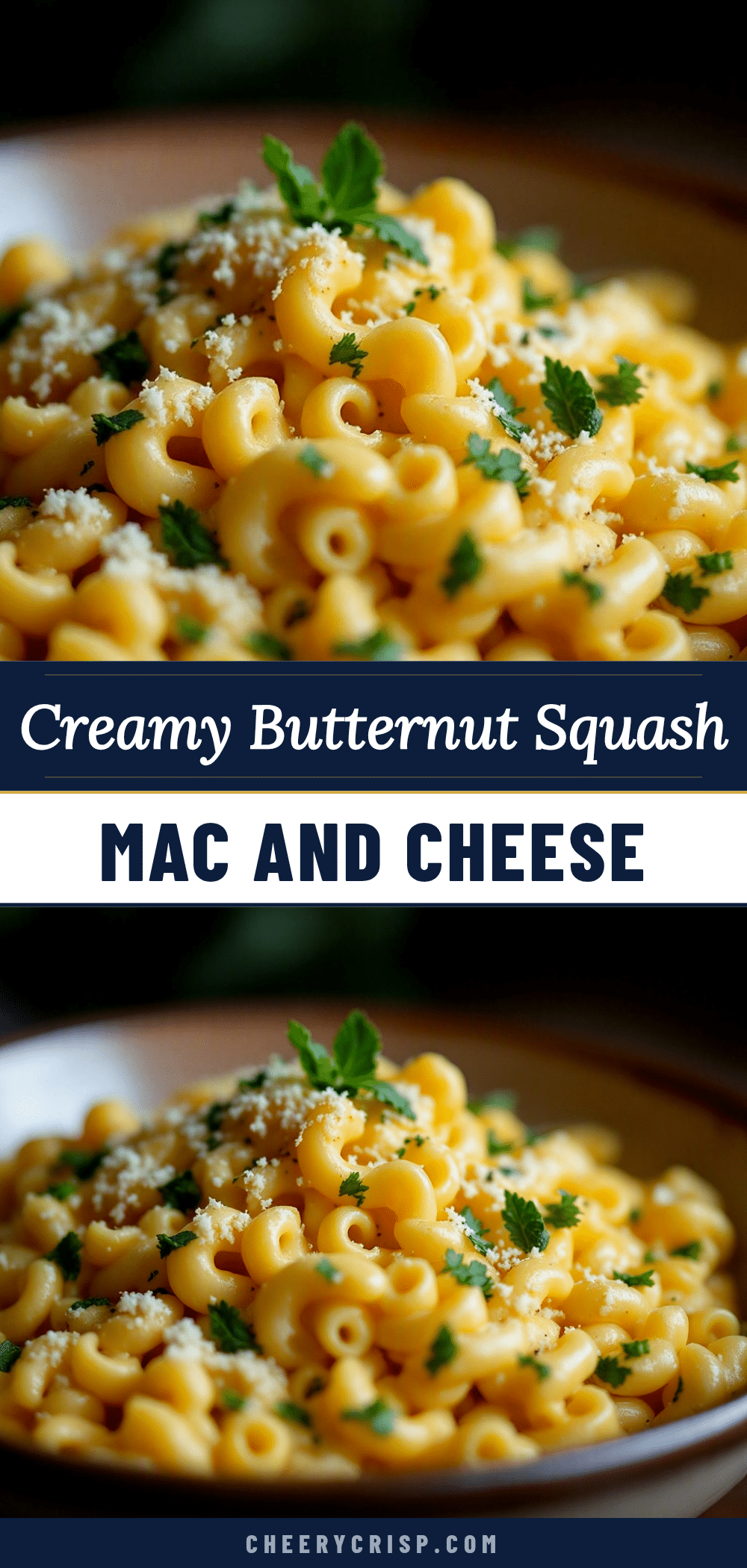
Creamy Butternut Squash Mac and Cheese with Crispy Sage

A comforting autumn dish featuring roasted butternut squash blended into a rich béchamel sauce with sharp cheddar and Gruyère, topped with crispy fried sage leaves.
- Prep Time: 20 minutes
- Cook Time: 45 minutes
- Total Time: 45 minutes
- Yield: 8 servings 1x
- Category: Main Course
- Cuisine: American
Ingredients
- 1 pound elbow macaroni
- Salt for boiling water
- 1 large butternut squash (about 3–4 lbs)
- 4 tablespoons unsalted butter (for sauce)
- 1/3 cup all-purpose flour
- 3 cups whole milk
- 2 cloves garlic, minced
- 1/4 teaspoon nutmeg
- 1/2 teaspoon black pepper
- Salt to taste
- 2 cups sharp cheddar cheese, shredded
- 1 cup Gruyère cheese, shredded
- 1/2 cup fresh sage leaves
- 2 tablespoons butter (for frying sage)
- Pinch of salt (for sage)
Instructions
- Preheat oven to 400°F (200°C). Cut squash in half, scoop out seeds, brush with olive oil, season with salt, and roast cut-side down for 40-45 minutes until tender. Scoop out flesh to make about 3 cups of puree.
- Bring a large pot of salted water to a boil. Cook elbow macaroni until al dente. Drain, reserving 1 cup of pasta water, and toss with a little oil.
- In a medium saucepan, melt 4 tablespoons of butter over medium heat. Whisk in flour and cook for 2 minutes until light golden.
- Gradually whisk in milk to avoid lumps. Cook until thickened, about 5-7 minutes. Stir in garlic, nutmeg, salt, and pepper. Remove from heat.
- Stir the roasted butternut squash puree into the béchamel sauce until smooth. If too thick, add a splash of reserved pasta water.
- Stir in shredded cheddar and Gruyère cheese until melted and smooth. Remove from heat immediately.
- Toss cooked pasta with the cheese sauce in a large bowl. Pour into a greased 9×13 inch baking dish.
- Melt 2 tablespoons of butter in a small skillet over medium heat. Fry sage leaves for 30-60 seconds until crisp. Drain on paper towel.
- Cover baking dish with foil and bake at 350°F (175°C) for 15 minutes. Remove foil and bake for another 5 minutes.
- Sprinkle crispy sage leaves over the top. Let rest for 5 minutes before serving.
Notes
Roast more squash than needed and freeze the rest. Do not overcook pasta as it continues to cook in the oven. Shred cheese yourself to prevent grainy sauce. If making ahead, refrigerate and add 10-15 minutes to baking time. Store leftovers in the fridge for up to 4 days.
Nutrition
- Serving Size: 1 cup
- Calories: 550
- Sugar: 8
- Sodium: 680
- Fat: 28
- Saturated Fat: 16
- Carbohydrates: 52
- Fiber: 5
- Protein: 22
Keywords: butternut squash mac and cheese, crispy sage, comfort food, fall recipes, vegetarian mac and cheese, creamy pasta, autumn dinner