Love this? Save it for later!
Share the inspiration with your friends
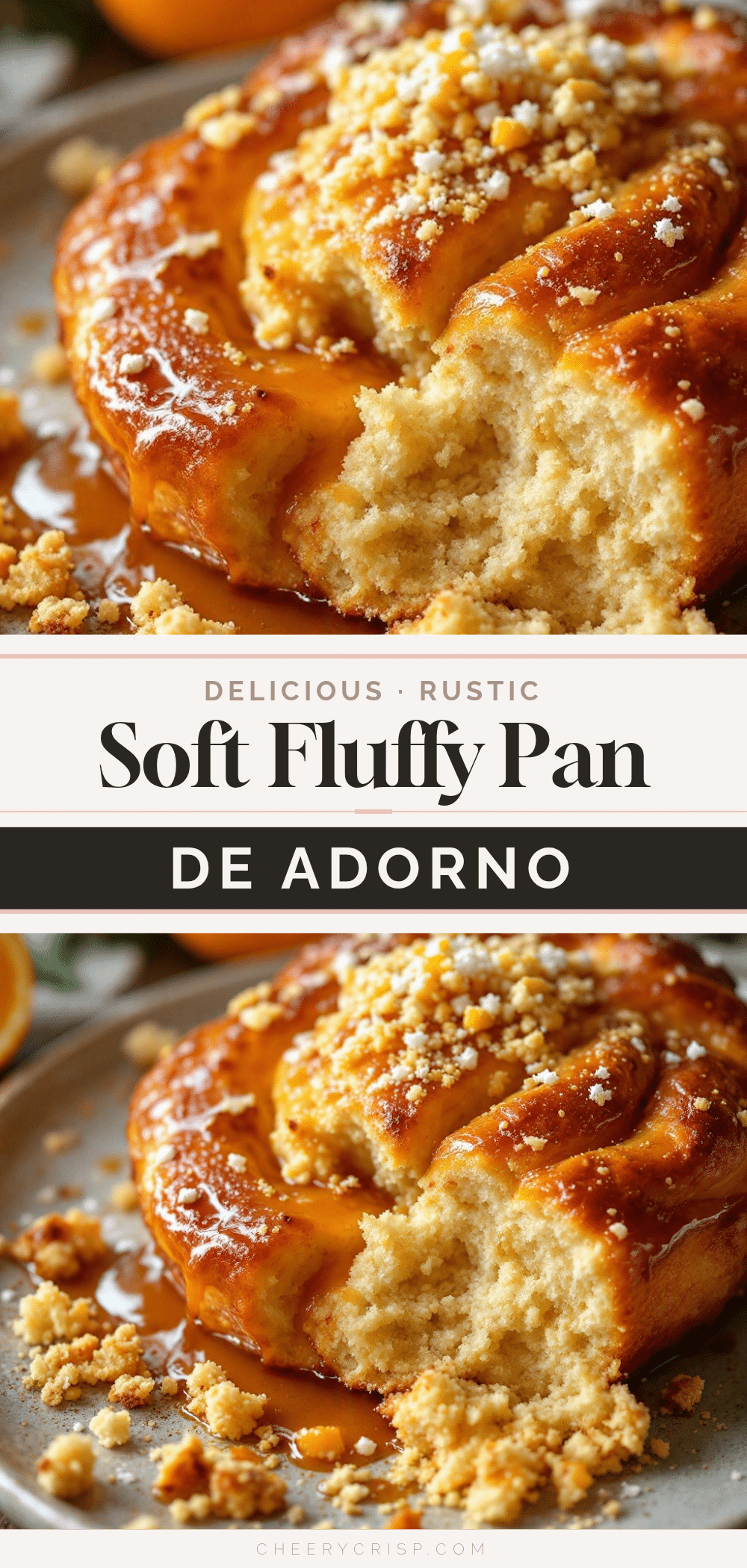
Why You’ll Love This Soft Fluffy Pan De Muerto with Orange Glaze
Let’s face it, baking bread can feel intimidating. You’re dealing with living organisms—yeast, remember?—and if you mess up the temperature, you get a brick. But this soft fluffy pan de muerto is different. It’s forgiving. It’s the kind of bread that hugs you back. I’ve tested this recipe through countless batches, from my first disastrous attempt that tasted like dense cardboard to the version you’re about to make. The secret isn’t magic; it’s patience and a few specific techniques that I’ve learned the hard way.
- Quick & Easy: While it requires rising time, the active hands-on work is minimal. You spend more time waiting for the dough to double than actually kneading it. Perfect for a lazy Saturday morning.
- Simple Ingredients: You likely have almost everything in your pantry right now. Flour, sugar, yeast, eggs, milk, and oranges. No fancy, hard-to-find imports needed for the base dough.
- Perfect for Seasonal Gatherings: Whether it’s for Dia de los Muertos, a family Sunday brunch, or just a cozy autumn afternoon, this bread fits every occasion. It pairs beautifully with the perfect homemade pumpkin sourdough bread with fall spices if you want to double down on seasonal flavors.
- Crowd-Pleaser: Kids love the sweet, bun-like texture. Adults appreciate the subtle anise flavor and the bright orange glaze. It bridges the generation gap in the best way possible.
- Unbelievably Delicious: The texture is cloud-soft. The orange glaze adds a tangy contrast that cuts through the richness of the egg yolk and butter. It’s comfort food at its finest.
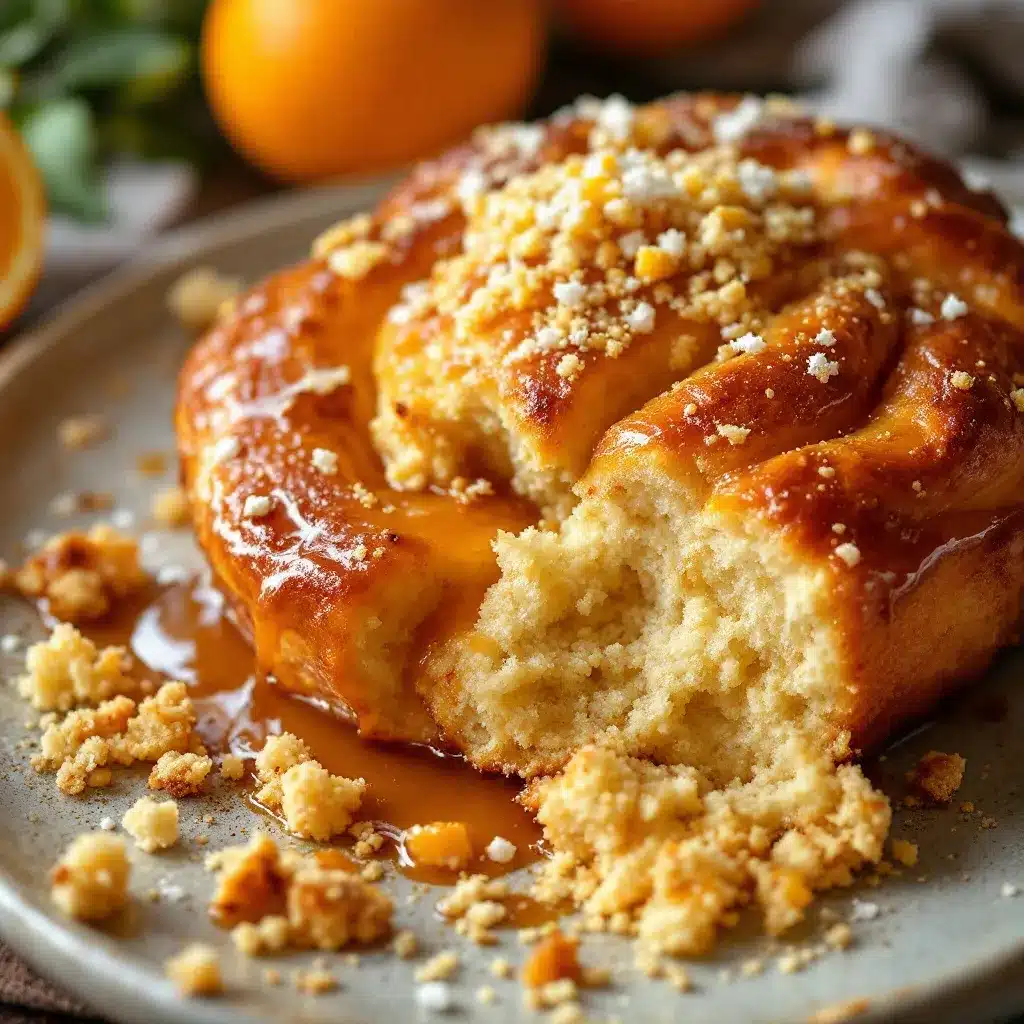
What makes this recipe stand out from the rest? Many traditional recipes can be dry or overly dense, relying too heavily on the anise seeds. This version balances the flavor profile beautifully. The addition of the orange glaze isn’t just decorative; it soaks into the warm crust, creating a sticky, sweet exterior that contrasts with the soft, pillowy interior. It’s not just another bread recipe; it’s a celebration of texture and flavor that respects tradition while adding a modern, fluffy twist.
What Ingredients You Will Need
This recipe relies on a few key components to achieve that signature softness. The dough is enriched, meaning it contains fats and eggs, which tenderizes the crumb. The glaze is the finishing touch, providing that signature citrus kick. Here is what you need to gather.
For the Dough
- Warm Milk (1 cup / 240ml): Must be lukewarm, not hot. If it burns your finger, it’s too hot for the yeast. Whole milk gives the best richness, but 2% works too.
- Active Dry Yeast (2 1/4 tsp / 1 packet): Standard packet size. Make sure it’s not expired; blooming it in warm water first is a good check.
- Granulated Sugar (1/2 cup / 100g): Feeds the yeast and adds sweetness. I prefer organic cane sugar for a slightly deeper flavor.
- Unsalted Butter (1/2 cup / 113g): Softened to room temperature. This is crucial for emulsifying into the dough properly.
- Large Eggs (2 whole + 1 yolk): Room temperature eggs incorporate better. The extra yolk adds richness and a golden color.
- All-Purpose Flour (4 to 4 1/2 cups / 500-560g): Don’t use bread flour if you want that specific soft, cake-like crumb. All-purpose is the sweet spot.
- Salt (1 tsp): Balances the sweetness. Don’t skip it.
- Anise Seeds (1 tsp): Whole seeds add texture and that classic licorice-like aroma. Crush them slightly if you prefer a more diffuse flavor.
- Orange Zest (1 large orange): Freshly grated. This is non-negotiable for the authentic scent.
For the Topping and Glaze
- Confectioners’ Sugar (1 cup / 120g): Sifted to remove lumps. Essential for a smooth glaze.
- Fresh Orange Juice (2-3 tbsp): Strained to remove pulp. Adjust for desired consistency.
- Butter (2 tbsp): Melted, for brushing on the warm bread after glazing.
- Anise Seeds (for sprinkling): Optional, for extra visual appeal and flavor.
If you are looking for a gluten-free adaptation, you can use a 1:1 gluten-free flour blend, but note that the texture will be slightly denser. For a dairy-free version, swap the milk and butter for oat milk and coconut oil, though the flavor profile will shift slightly.
Equipment Needed
You don’t need a fancy stand mixer to make this bread, but it helps. A heavy-duty mixer with a dough hook is ideal for kneading the stiff dough without straining your arms. If you’re hand-kneading, a large, clean wooden board or countertop is necessary. I recommend a digital kitchen scale for the flour; volume measurements can vary wildly depending on how packed the flour is, and bread baking is chemistry, not art. A pastry brush is essential for applying the egg wash and the final butter glaze. A round baking pan or a large rimmed baking sheet works for shaping the loaves. I also suggest having a light sheet of plastic wrap or a clean kitchen towel to cover the dough while it rises, ensuring it doesn’t dry out.
Preparation Method
- Bloom the Yeast (5 minutes): In the bowl of a stand mixer, combine the warm milk, sugar, and yeast. Let it sit for 5-10 minutes until it becomes foamy. If it doesn’t foam, your yeast might be dead. Start over.
- Mix Wet Ingredients (2 minutes): Add the softened butter, eggs (whole and yolk), orange zest, and anise seeds to the yeast mixture. Mix on low speed until combined.
- Add Flour (3 minutes): Gradually add the flour and salt. Start with 4 cups. Mix on low until a shaggy dough forms. If the dough is too sticky, add the remaining 1/2 cup flour, one tablespoon at a time. The dough should be soft but not sticky to the touch.
- Knead the Dough (8-10 minutes): Switch to the dough hook. Knead on medium speed for 8-10 minutes. The dough is ready when it passes the windowpane test—you can stretch a small piece thin enough to see light through it without it tearing. This develops the gluten structure.
- First Rise (1.5 hours): Place the dough in a lightly oiled bowl, cover with plastic wrap, and let it rise in a warm, draft-free spot until doubled in size. I usually turn on my oven light to create a warm environment.
- Shape the Bread (15 minutes): Punch down the dough to release air. Divide it into portions. For the traditional round loaf, shape the main ball and create strips for the crossbones and the “tears” (droplets) representing souls. Place on a parchment-lined baking sheet.
- Second Rise (45 minutes): Cover the shaped loaves and let them rise again until puffy. Preheat your oven to 350°F (175°C) during the last 15 minutes of rising.
- Bake (25-30 minutes): Brush the loaves with egg wash (1 egg beaten with 1 tbsp water). Bake for 25-30 minutes until golden brown. The internal temperature should reach 190°F (88°C).
- Glaze and Butter (5 minutes): While the bread bakes, mix the confectioners’ sugar and orange juice for the glaze. Once the bread is out of the oven, brush it immediately with melted butter, then drizzle the orange glaze over the top while it’s still warm.
Cooking Tips & Techniques
One common mistake is over-flouring the dough. It’s easy to feel like you need more flour if it sticks to your hands, but wet dough yields a softer final product. If it sticks, wet your hands slightly instead of adding more flour. Another tip is to watch your oven temperature. Every oven runs differently. If your bread is browning too fast on top but is still raw inside, tent it with aluminum foil halfway through baking. I learned this the hard way on my second attempt. Also, don’t skip the second rise. It’s what gives the bread its airy, fluffy texture. If you bake it immediately after shaping, you’ll get dense rolls. Finally, when applying the glaze, do it while the bread is warm, not hot. If it’s too hot, the glaze will melt off completely. If it’s cold, the glaze will sit on top like hard candy. Warm is the sweet spot.
Variations & Adaptations
This recipe is quite versatile. For a chocolate version, add 2 tablespoons of cocoa powder to the dry ingredients. For a citrus twist, you can swap the orange zest for lemon or grapefruit zest. If you want to make these individual portions, divide the dough into smaller balls and shape them into smaller rounds, reducing the bake time to 15-18 minutes. For a vegan adaptation, use plant-based milk and butter, and replace the eggs with a flax egg, though the texture will be slightly less rich. I also tried adding a swirl of cinnamon sugar inside the dough before rolling it up, which creates a beautiful marble effect. These variations keep the recipe fresh and allow you to experiment with different flavor profiles.
Serving & Storage Suggestions
Serve this bread warm, ideally with a strong cup of coffee or hot chocolate. It pairs wonderfully with the perfect brown butter pumpkin snickerdoodle cookies for a festive dessert spread. To store, keep leftovers in an airtight container at room temperature for up to 3 days. For longer storage, freeze the baked and glazed bread in a freezer-safe bag for up to 2 months. Reheat in the oven at 300°F for 10 minutes to restore the soft texture. The flavors actually meld and deepen over the first day, making it perfect for make-ahead preparations.
Nutritional Information & Benefits
Each serving (one small roll) contains approximately 250 calories, with 4g of protein and 35g of carbohydrates. The bread provides energy from complex carbohydrates and healthy fats from the butter and eggs. It is not gluten-free or dairy-free by default, so those with allergies should note the ingredients. The orange zest adds a small amount of Vitamin C, and the anise seeds have digestive properties. While it is a sweet bread and should be enjoyed in moderation, it offers a comforting, satisfying treat that feels indulgent yet wholesome.
Conclusion
Making soft fluffy pan de muerto with orange glaze is more than just baking; it’s an act of love and memory. The aroma alone can transport you back to family gatherings and shared stories. I hope this recipe becomes a staple in your home, just as it has in mine. Don’t be afraid to adjust the sweetness or the orange intensity to suit your taste. Once you try it, you’ll understand why my family keeps asking for more. Share your creations with me in the comments, and let me know how your first batch turned out. Happy baking!
FAQs
Can I use instant yeast instead of active dry yeast?
Yes, you can use instant yeast directly in the dry ingredients. You may not need to bloom it in the milk first, but the results will be similar.
Why is my pan de muerto dense?
This usually happens if the yeast was dead, the dough was over-floured, or it didn’t rise long enough. Ensure your milk is warm but not hot, and let the dough rise until it’s visibly doubled.
Can I make the dough ahead of time?
Yes, you can shape the dough and let it do its second rise in the refrigerator overnight. In the morning, take it out, let it come to room temperature, and then bake it.
How do I keep the glaze from sliding off?
Apply the glaze while the bread is still warm, not hot. Also, ensure the bread has a slightly rough surface from the egg wash, which helps the glaze adhere better.
What is the traditional shape of pan de muerto?
The traditional shape is a round loaf representing the circle of life, with strips of dough on top representing bones and a small ball representing the soul. It symbolizes the connection between the living and the deceased.
Pin This Recipe!
Pan De Muerto Recipe: Best Soft Fluffy Bread
A forgiving, soft, and fluffy Pan de Muerto with an orange glaze. This enriched bread features a pillowy interior, subtle anise flavor, and a tangy citrus finish, perfect for Dia de los Muertos or autumn gatherings.
- Prep Time: 30 minutes
- Cook Time: 30 minutes
- Total Time: 3 hours 45 minutes
- Yield: 1 large loaf (serves 8-10) 1x
- Category: Dessert
- Cuisine: Mexican
Ingredients
- 1 cup warm milk (lukewarm, not hot)
- 2 1/4 tsp active dry yeast (1 packet)
- 1/2 cup granulated sugar
- 1/2 cup unsalted butter (softened to room temperature)
- 2 large eggs + 1 egg yolk (room temperature)
- 4 to 4 1/2 cups all-purpose flour
- 1 tsp salt
- 1 tsp anise seeds (whole or crushed)
- 1 large orange (zest only)
- 1 cup confectioners’ sugar (sifted)
- 2–3 tbsp fresh orange juice (strained)
- 2 tbsp butter (melted, for brushing)
- Anise seeds (for sprinkling, optional)
- 1 egg beaten with 1 tbsp water (for egg wash)
Instructions
- Bloom the yeast: In a stand mixer bowl, combine warm milk, sugar, and yeast. Let sit for 5-10 minutes until foamy.
- Mix wet ingredients: Add softened butter, eggs, egg yolk, orange zest, and anise seeds to the yeast mixture. Mix on low speed until combined.
- Add flour: Gradually add flour and salt, starting with 4 cups. Mix on low until a shaggy dough forms. Add remaining flour one tablespoon at a time if too sticky. Dough should be soft but not sticky.
- Knead the dough: Switch to dough hook. Knead on medium speed for 8-10 minutes until the dough passes the windowpane test.
- First rise: Place dough in a lightly oiled bowl, cover with plastic wrap, and let rise in a warm, draft-free spot for 1.5 hours until doubled in size.
- Shape the bread: Punch down dough. Divide into portions. Shape into a round loaf with strips for crossbones and droplets for souls. Place on a parchment-lined baking sheet.
- Second rise: Cover shaped loaves and let rise again for 45 minutes until puffy. Preheat oven to 350°F (175°C) during the last 15 minutes.
- Bake: Brush loaves with egg wash. Bake for 25-30 minutes until golden brown and internal temperature reaches 190°F (88°C).
- Glaze and butter: Mix confectioners’ sugar and orange juice. Immediately after baking, brush bread with melted butter, then drizzle with orange glaze while warm.
Notes
Ensure milk is lukewarm, not hot, to avoid killing the yeast. Do not over-flour the dough; wet hands instead of adding more flour if sticky. Apply glaze while bread is warm, not hot, to prevent sliding. For gluten-free adaptation, use a 1:1 gluten-free flour blend. For dairy-free, swap milk/butter for oat milk/coconut oil.
Nutrition
- Serving Size: One small roll
- Calories: 250
- Sugar: 12
- Sodium: 200
- Fat: 8
- Saturated Fat: 4
- Carbohydrates: 35
- Fiber: 1
- Protein: 4
Keywords: pan de muerto, mexican bread, dia de los muertos, orange glaze bread, soft fluffy bread, anise bread, holiday baking, traditional bread