Love this? Save it for later!
Share the inspiration with your friends
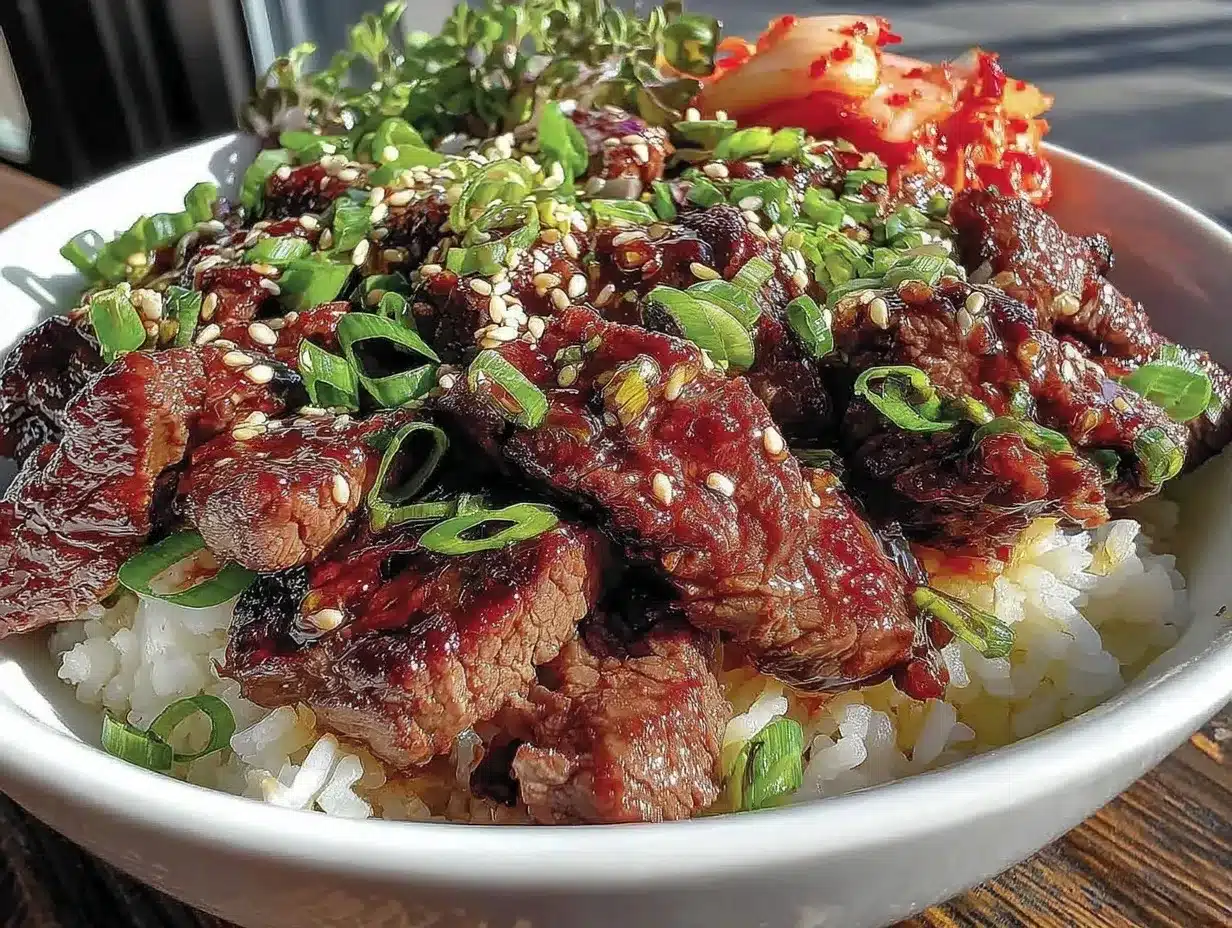
“You have to try this,” my friend Min-jun said one humid Saturday afternoon, waving a takeout box like it was a treasure chest. We were sprawled on his tiny balcony in Queens, the city’s hum blending with the sizzle from his portable grill. Honestly, I wasn’t expecting much—just another Korean BBQ dish—but the moment I took a bite of that savory Korean bulgogi beef bowl, something clicked. The marinated beef was tender yet punchy, bursting with a deep, smoky BBQ flavor that stuck with me long after the last grain of rice disappeared.
It wasn’t just the taste, though. Min-jun shared how this recipe was his go-to when he craved Korean BBQ at home but didn’t want the hassle of a full grill setup. The marinade—sweet, salty, and umami-rich—was a family secret passed down with tweaks to fit busy modern life. I mean, who has time to babysit a grill on a weeknight?
That afternoon, with the sun setting over fire escapes and honking cabs, I realized this savory Korean bulgogi beef bowl was more than just a meal. It was a quick, comforting reminder of shared stories, casual gatherings, and the magic of simple ingredients coming together. Maybe you’ve been there—hungry, tired, but wanting a flavor-packed dinner that feels like a treat without the fuss. This recipe stayed with me because it’s perfectly balanced: a little sweet, a little smoky, and totally satisfying.
Why You’ll Love This Recipe
After testing this savory Korean bulgogi beef bowl multiple times, I’m confident it hits the mark on all fronts. Whether you’re a seasoned home cook or just stepping into the world of Korean flavors, this recipe is approachable and reliable.
- Quick & Easy: Ready in under 30 minutes, ideal for those busy weeknights or last-minute cravings.
- Simple Ingredients: Most items are pantry staples or easy finds at your local grocery store—no specialty trips required.
- Perfect for Weeknight Dinners: A wholesome, satisfying meal that feels like a treat without the stress.
- Crowd-Pleaser: The flavor combo appeals to both kids and adults, making it great for family dinners or casual entertaining.
- Unbelievably Delicious: The marinade’s blend of soy, garlic, and a hint of sweetness creates that signature bulgogi BBQ flavor that’s irresistibly good.
This isn’t just another beef bowl recipe. What sets it apart is the marinade technique—letting the beef soak up flavors long enough to taste almost caramelized after cooking but still juicy. Also, swapping out the usual sugar for a touch of honey adds a natural sweetness that’s gentle yet distinct. Honestly, it’s the kind of meal that makes you pause, close your eyes, and savor every bite. You’re not just eating dinner; you’re experiencing a little piece of Korean BBQ magic, right in your own kitchen.
What Ingredients You Will Need
This recipe uses simple, wholesome ingredients that come together to deliver bold, savory-sweet flavor and a satisfying texture without complicated prep. Most are pantry staples or easy to find at any grocery store. Here’s what you’ll need:
- For the Bulgogi Beef Marinade:
- 1 pound (450g) thinly sliced beef ribeye or sirloin (look for well-marbled cuts for tenderness)
- 1/4 cup (60ml) soy sauce (I prefer Kikkoman for its rich flavor)
- 2 tablespoons brown sugar or honey (honey adds a subtle floral sweetness)
- 1 tablespoon sesame oil (toasting the sesame seeds ahead adds extra aroma)
- 3 cloves garlic, minced (fresh is best!)
- 1 teaspoon freshly grated ginger
- 2 green onions, thinly sliced (white and green parts separated)
- 1 teaspoon toasted sesame seeds (for garnish)
- 1/4 teaspoon freshly ground black pepper
- Optional: 1 small Asian pear or apple, grated (adds natural sweetness and tenderizes beef)
- For the Bowl:
- 2 cups cooked short-grain white rice or jasmine rice (warm and fluffy)
- Steamed or sautéed vegetables of choice – I like spinach, carrots, and mushrooms
- Kimchi or pickled radish (for a tangy contrast)
- Optional: Fried egg for topping (adds richness!)
If you want a gluten-free option, swap soy sauce with tamari. Also, if you’re out of beef, thinly sliced chicken thighs work surprisingly well with this marinade. When selecting your beef, I recommend a cut that slices thinly and cooks quickly to keep that tender, melt-in-your-mouth texture.
Equipment Needed
- Large mixing bowl for marinating beef
- Sharp knife and cutting board for prepping beef and vegetables
- Non-stick skillet or cast-iron pan (a cast-iron skillet really brings out the best sear on the beef)
- Measuring cups and spoons for accuracy
- Rice cooker or pot for cooking rice (a rice cooker takes the guesswork out, but a pot works fine too)
- Tongs or spatula for stirring and flipping meat
- Grater (if using Asian pear or apple in marinade)
If you don’t have a cast-iron skillet, a heavy-bottomed stainless steel pan also does the job well. I found that using tongs rather than a fork helps keep the beef intact and juicy. Also, keeping your knife sharp makes slicing thin beef slices much easier and safer.
Preparation Method
- Prepare the marinade: In a large mixing bowl, combine soy sauce, brown sugar or honey, sesame oil, minced garlic, grated ginger, black pepper, and grated Asian pear (if using). Mix well to dissolve the sugar. This step takes about 5 minutes.
- Add beef and green onion whites: Toss the thinly sliced beef and white parts of green onions into the marinade. Use your hands or tongs to ensure each piece is coated evenly. Cover and refrigerate for at least 30 minutes, ideally 1 hour. This allows the flavors to soak in and tenderize the meat.
- Cook the rice: While the beef marinates, cook your rice according to package instructions. This usually takes about 15-20 minutes. Fluff with a fork when done and keep warm.
- Prepare vegetables: Steam or sauté your chosen veggies lightly. You want them tender but still vibrant. Set aside for plating.
- Cook the beef: Heat a non-stick or cast-iron skillet over medium-high heat. Once hot, add the marinated beef in a single layer, leaving space between slices (cook in batches if needed). The beef should sizzle immediately. Cook about 2-3 minutes per side or until caramelized and cooked through. Avoid overcrowding the pan to prevent steaming instead of searing.
- Finish with green onion tops and sesame seeds: Just before removing the beef from the pan, toss in the green onion tops and sprinkle with toasted sesame seeds. Stir briefly for a fresh pop of flavor and color.
- Assemble the bowl: In serving bowls, layer warm rice, cooked vegetables, and bulgogi beef on top. Add kimchi or pickled radish on the side for that authentic tangy contrast. If you like, top with a fried egg for extra richness and texture.
Pro tip: If your beef looks a little dry, splash a teaspoon of water or beef broth during cooking to keep it juicy. Also, don’t rush the marinade time—it’s worth the wait. I once skipped marinating and ended up with tough beef; lesson learned the hard way!
Cooking Tips & Techniques
Getting the savory Korean bulgogi beef bowl just right requires a few insider tricks. First, slicing the beef thinly is key. If your butcher doesn’t slice thin, pop the beef in the freezer for 15 minutes to firm up—it makes slicing way easier and safer.
Marinating time matters. At least 30 minutes allows the meat fibers to relax and soak in flavor, but overnight is even better if you can plan ahead. I usually prep the marinade in the morning for dinner, and it never disappoints.
When cooking, high heat is your friend. That sizzle you hear is caramelization happening, building flavor. Just don’t overcrowd the pan—cooking in batches keeps the beef crispy on the edges instead of steamed and soggy.
One common mistake is using lean beef cuts. While they might seem healthier, they often turn out dry and tougher. Marbled cuts like ribeye or sirloin keep the texture perfect. And if you’re feeling adventurous, try adding a splash of Korean pear juice or apple juice to the marinade for natural tenderizing.
Finally, multitasking helps. While the beef marinates, get your rice started and chop vegetables. This way, everything comes together smoothly without last-minute scrambling. Trust me, the kitchen feels calmer that way.
Variations & Adaptations
- Vegetarian version: Swap beef with thickly sliced king oyster mushrooms or marinated tofu. Use the same marinade for that signature bulgogi flavor.
- Spicy twist: Add 1 tablespoon of gochujang (Korean chili paste) or a pinch of red pepper flakes to the marinade for some heat.
- Low-carb option: Serve the bulgogi beef over cauliflower rice or mixed greens instead of white rice to keep it light and keto-friendly.
- Seasonal veggies: In spring, add blanched asparagus or snap peas; in autumn, roasted sweet potatoes work beautifully.
- Personal favorite: I like to drizzle a little extra sesame oil and sprinkle crushed peanuts on top for a nutty crunch that surprises every time.
Serving & Storage Suggestions
Serve your savory Korean bulgogi beef bowl warm for the best flavor and texture. Presentation-wise, layering the beef over fluffy rice with colorful veggies and a fried egg on top makes the bowl inviting and balanced.
This dish pairs wonderfully with a light, crisp cucumber salad or a chilled glass of Korean barley tea (bori-cha) to cut through the richness.
Store leftovers in an airtight container in the refrigerator for up to 3 days. To reheat, warm gently in a skillet or microwave until just heated through—overheating can toughen the beef.
Flavors often deepen after a day in the fridge, so leftovers can taste even better. Just add fresh veggies or a quick kimchi side to brighten up the bowl when serving again.
Nutritional Information & Benefits
This savory Korean bulgogi beef bowl packs protein from the beef and fiber from the vegetables, making it a balanced meal. The marinade’s ginger and garlic not only add flavor but also offer anti-inflammatory benefits. Using lean beef cuts helps keep saturated fat moderate without sacrificing taste.
For those watching carbs, swapping rice with cauliflower rice cuts the carbs significantly while keeping texture satisfying. Gluten-free eaters can opt for tamari sauce instead of soy sauce.
This recipe is naturally dairy-free and can be adapted for various dietary preferences without losing its bold, comforting BBQ flavor.
Conclusion
Honestly, this savory Korean bulgogi beef bowl recipe has become a staple in my kitchen because it strikes the perfect balance between quick prep and deep, satisfying flavor. It’s the kind of meal that feels special without needing a ton of effort or exotic ingredients.
Feel free to tweak it to your taste—maybe a little more heat, or extra veggies. The beauty is how adaptable it is while keeping that marinated BBQ flavor front and center. I hope you enjoy making this recipe as much as I do, and I’d love to hear how your version turns out. Share your twists, questions, or favorite sides in the comments below!
Remember, great cooking is about experimenting and making recipes your own. Now go ahead, treat yourself to a bowl of bulgogi goodness—you deserve it!
FAQs
What cut of beef is best for bulgogi?
Thinly sliced ribeye or sirloin works best due to their marbling and tenderness. If you can’t find pre-sliced beef, partially freezing the meat helps slice it thinly at home.
Can I make the marinade ahead of time?
Absolutely! The marinade can be prepared a day in advance and stored in the fridge. Marinate the beef for at least 30 minutes or overnight for best flavor.
Is this recipe spicy?
The classic version isn’t spicy, but you can easily add gochujang or red pepper flakes to the marinade to give it a kick.
What can I serve with the bulgogi beef bowl?
Steamed rice and sautéed vegetables are classic. Kimchi, pickled radish, or a simple cucumber salad also complement the flavors perfectly.
Can I freeze leftover bulgogi beef?
While you can freeze cooked bulgogi, the texture of the beef may change slightly after thawing. It’s best enjoyed fresh or refrigerated and eaten within a few days.
PrintSavory Korean Bulgogi Beef Bowl

A quick and easy Korean BBQ-inspired beef bowl featuring tender marinated ribeye or sirloin with a sweet and savory bulgogi marinade, served over fluffy rice and vegetables.
- Prep Time: 10 minutes
- Cook Time: 20 minutes
- Total Time: 30 minutes
- Yield: 4 servings 1x
- Category: Main Course
- Cuisine: Korean
Ingredients
- 1 pound (450g) thinly sliced beef ribeye or sirloin
- 1/4 cup (60ml) soy sauce
- 2 tablespoons brown sugar or honey
- 1 tablespoon sesame oil
- 3 cloves garlic, minced
- 1 teaspoon freshly grated ginger
- 2 green onions, thinly sliced (white and green parts separated)
- 1 teaspoon toasted sesame seeds
- 1/4 teaspoon freshly ground black pepper
- Optional: 1 small Asian pear or apple, grated
- 2 cups cooked short-grain white rice or jasmine rice
- Steamed or sautéed vegetables (spinach, carrots, mushrooms recommended)
- Kimchi or pickled radish
- Optional: Fried egg for topping
Instructions
- Prepare the marinade by combining soy sauce, brown sugar or honey, sesame oil, minced garlic, grated ginger, black pepper, and grated Asian pear (if using) in a large mixing bowl. Mix well to dissolve the sugar (about 5 minutes).
- Add the thinly sliced beef and white parts of green onions to the marinade. Toss to coat evenly. Cover and refrigerate for at least 30 minutes, ideally 1 hour.
- Cook the rice according to package instructions (about 15-20 minutes). Fluff with a fork and keep warm.
- Steam or sauté chosen vegetables until tender but still vibrant. Set aside.
- Heat a non-stick or cast-iron skillet over medium-high heat. Add marinated beef in a single layer, cooking 2-3 minutes per side until caramelized and cooked through. Cook in batches if needed to avoid overcrowding.
- Just before removing beef from pan, add green onion tops and sprinkle with toasted sesame seeds. Stir briefly.
- Assemble the bowl by layering warm rice, cooked vegetables, and bulgogi beef. Add kimchi or pickled radish on the side. Top with a fried egg if desired.
Notes
Use marbled ribeye or sirloin for best tenderness. Marinate beef at least 30 minutes or overnight for deeper flavor. Avoid overcrowding the pan to ensure proper searing. For gluten-free option, substitute soy sauce with tamari. Thinly slice beef by partially freezing it first. Splash water or beef broth during cooking if beef looks dry.
Nutrition
- Serving Size: 1 bowl (approximatel
- Calories: 450
- Sugar: 8
- Sodium: 900
- Fat: 18
- Saturated Fat: 5
- Carbohydrates: 40
- Fiber: 3
- Protein: 30
Keywords: bulgogi, Korean beef bowl, Korean BBQ, easy dinner, weeknight meal, marinated beef, savory beef bowl