Love this? Save it for later!
Share the inspiration with your friends
“You have to try this,” my friend Jae said, sliding a steaming bowl across the table during one of our late-night hangouts. Honestly, I wasn’t expecting much—just another takeout order. But the moment I mixed everything together—the glossy gochujang sauce, the perfectly crisp vegetables, and that tender, marinated beef—I was hooked. This Korean bibimbap bowl wasn’t just food; it was like a vibrant, edible story of flavors dancing on my tongue.
It all started on an unexpectedly rainy Thursday evening. Our plans to grab dinner out fell through, and Jae, ever the culinary wizard, whipped this up in his tiny kitchen with whatever he had lying around. There was a cracked ceramic bowl, a bit of spilled sesame oil, and a distracted phone call that made him forget the garlic for a minute. But that didn’t matter—the end result was pure magic. You know that feeling when a dish surprises you completely? This bibimbap bowl has stuck with me ever since, not just for the taste but for the warmth it brought on a gloomy night.
Maybe you’ve been there—needing something comforting but exciting, simple yet packed with personality. This recipe brings together colorful veggies, tender meat, and that signature spicy-sweet gochujang sauce that ties it all up in a neat, satisfying package. I mean, let’s face it, mixing everything up yourself at the table is half the fun! So, let me tell you how you can bring this flavorful Korean bibimbap bowl with homemade gochujang sauce into your kitchen.
Why You’ll Love This Recipe
This flavorful Korean bibimbap bowl recipe is one of those dishes that keeps you coming back for more—not just because it tastes amazing but also because it’s straightforward to prepare and truly satisfying. After countless kitchen trials and family taste tests, I can say this version hits the mark every single time.
- Quick & Easy: Ready in about 30 minutes, perfect for hectic weeknights or when you want something wholesome without fuss.
- Simple Ingredients: Uses pantry staples and fresh produce you can find year-round; no need for specialty Asian markets if you don’t want to.
- Perfect for Any Occasion: Whether it’s a solo lunch, casual dinner, or impressing friends at your next gathering, bibimbap fits right in.
- Crowd-Pleaser: The combination of textures and flavors always wins over both Korean food newbies and seasoned fans alike.
- Unbelievably Delicious: The homemade gochujang sauce adds a nuanced, spicy-sweet kick that’s hard to find in store-bought versions.
What makes this bibimbap bowl different? Honestly, it’s the balance of freshness and heat from that gochujang sauce I make from scratch—no need to hunt for pre-packaged jars that can be overly salty or artificial-tasting. Plus, the way the vegetables are quickly sautéed or pickled keeps them lively and crunchy, making every bite interesting. I promise, after the first spoonful, you’ll close your eyes and savor that perfect harmony of flavors. It’s comfort food with a punch, and it’s become my go-to when I want something both satisfying and a little adventurous.
What Ingredients You Will Need
This recipe uses simple, wholesome ingredients to deliver bold flavor and satisfying texture without the fuss. Most of these you probably have around, and the fresh veggies can be swapped seasonally.
- For the Bibimbap Bowl:
- 1 cup short-grain white rice (or brown rice for a nuttier flavor)
- 200g (7 oz) ground beef or thinly sliced ribeye (use tofu for vegetarian option)
- 1 medium carrot, julienned
- 1 zucchini, julienned
- 1 cup shiitake mushrooms, sliced (fresh or dried rehydrated)
- 2 cups fresh spinach
- 2 eggs (preferably organic, for frying or poaching)
- 2 cloves garlic, minced
- 1 tbsp sesame oil (toasted for best flavor)
- 1 tbsp vegetable oil (for sautéing)
- Salt and pepper, to taste
- 1 tbsp soy sauce (I like Kikkoman for consistency)
- 1 tsp sugar (optional, balances the beef marinade)
- For the Homemade Gochujang Sauce:
- 3 tbsp Korean chili paste (gochujang) – you can find this in Asian stores or online
- 1 tbsp sesame oil
- 1 tbsp rice vinegar
- 1 tbsp honey or maple syrup (for natural sweetness)
- 1 garlic clove, finely grated
- 1 tsp soy sauce
- 1 tsp toasted sesame seeds (optional, for garnish)
If you want to switch things up, try swapping the beef for chicken or tempeh. For a gluten-free option, use tamari instead of soy sauce. Freshness is key here, so pick crisp vegetables and preferably organic eggs. I once tried frozen spinach when I ran out, but the texture was just off—fresh is definitely better!
Equipment Needed
To make this flavorful Korean bibimbap bowl, you don’t need anything fancy, which is great for home cooks of all levels.
- A medium saucepan or rice cooker for perfectly steamed rice.
- A large skillet or wok for sautéing vegetables and cooking the meat.
- A small bowl and whisk to mix the gochujang sauce ingredients.
- A sharp knife and cutting board for prepping vegetables.
- A frying pan for the eggs—non-stick is ideal but not necessary.
If you don’t have a rice cooker, no worries! Using a tight-fitting lid and a little patience works just fine on the stove. I also recommend a sturdy wooden spoon or spatula to stir the beef and veggies gently without bruising the ingredients.
Preparation Method
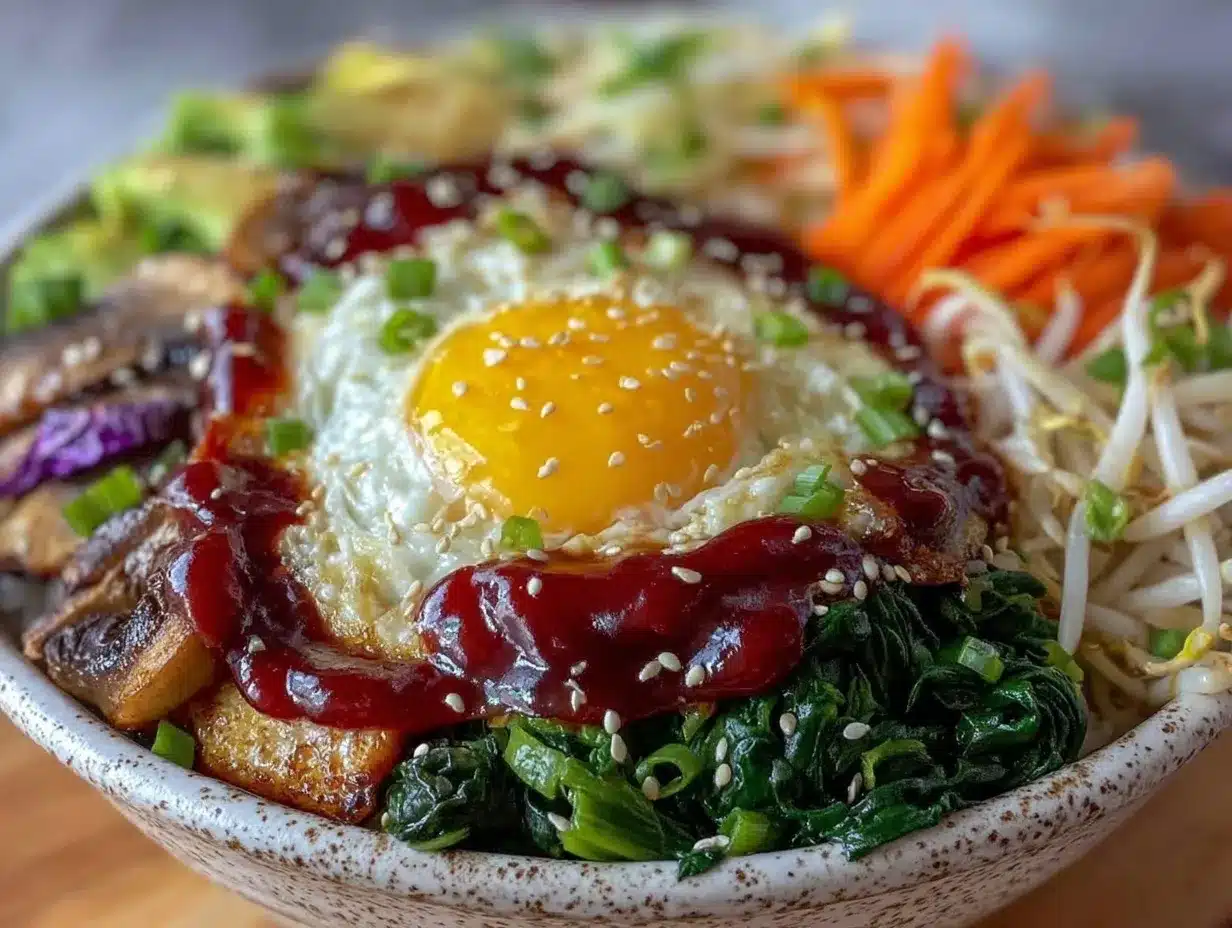
- Cook the Rice (20-25 minutes): Rinse 1 cup of rice under cold water until the water runs clear. Add to a saucepan with 1 1/4 cups water (300 ml). Bring to a boil, then reduce to a simmer, cover, and cook for 15-20 minutes until water is absorbed and rice is tender. Let it rest, covered, for 10 minutes before fluffing with a fork.
- Prepare Vegetables (10 minutes): While the rice cooks, wash and julienne the carrot and zucchini. Slice mushrooms and rinse spinach thoroughly. Heat 1/2 tbsp vegetable oil in a skillet over medium heat. Sauté carrots separately for 2-3 minutes with a pinch of salt until tender-crisp, then set aside. Repeat with zucchini and mushrooms, cooking each separately to keep flavors distinct. Quickly blanch the spinach in boiling water for 30 seconds, drain, and press out excess water. Season with a tiny pinch of salt and toss with a few drops of sesame oil.
- Cook the Beef (8-10 minutes): In the same skillet, add 1/2 tbsp vegetable oil and sauté minced garlic over medium heat until fragrant (about 30 seconds). Add ground beef or sliced ribeye, season with soy sauce, sugar, salt, and pepper. Cook, stirring occasionally, until browned and cooked through (about 5-7 minutes). Remove from heat.
- Make the Gochujang Sauce (5 minutes): In a small bowl, whisk together gochujang, sesame oil, rice vinegar, honey, grated garlic, and soy sauce until smooth. Taste and adjust sweetness or acidity as needed.
- Cook the Egg (3-5 minutes): Fry or poach the eggs to your liking. I usually go for sunny-side-up with a runny yolk because it adds richness when mixed in.
- Assemble the Bibimbap (5 minutes): Scoop rice into bowls. Arrange the sautéed vegetables and cooked beef around the edges in neat sections. Place the fried egg on top. Drizzle or serve the gochujang sauce on the side for mixing.
If you notice your veggies getting soggy, be sure to cook them separately and avoid overcrowding the pan. Also, don’t overcook the beef; you want it juicy and tender, not dry. When mixing at the table, the warmth from the rice and egg helps meld all those flavors beautifully.
Cooking Tips & Techniques
Getting bibimbap just right is as much about technique as it is ingredients. Here are some tips I’ve picked up over time:
- Rice Texture: Use short-grain rice for that sticky, slightly chewy texture. Rinsing it removes excess starch and prevents clumping.
- Vegetable Prep: Cook each vegetable separately to preserve individual flavors and avoid a muddled taste. Quick sautéing or blanching keeps them vibrant and crisp.
- Gochujang Sauce: Homemade sauce tastes fresher and less salty than store-bought. Adjust the honey and vinegar to balance heat and sweetness.
- Egg Cooking: A runny yolk is classic, but if you’re nervous about undercooked eggs, a soft-boiled egg works well too.
- Mixing: Encourage everyone to mix just before eating to enjoy the contrast between warm rice, spicy sauce, and crisp veggies.
One time, I left the mushrooms in too long and ended up with a soggy mess—lesson learned! Also, don’t skip the sesame oil; it’s key for that nutty aroma. If multitasking, prep veggies ahead so you’re not scrambling last minute.
Variations & Adaptations
Bibimbap is a wonderfully flexible dish. Here are some ways to make it your own:
- Vegetarian or Vegan: Swap beef for seasoned tofu or tempeh. Use tamari in the sauce for gluten-free soy flavor and skip the egg or use a plant-based alternative.
- Seasonal Veggies: In spring, add blanched asparagus or snap peas. Fall calls for roasted sweet potatoes or kale.
- Spice Level: Adjust the gochujang sauce by adding more honey if you want milder heat, or a pinch of cayenne for extra kick.
- Grain Swap: Try quinoa or cauliflower rice for a low-carb option.
- Cooking Method: For a charred flavor, grill the vegetables lightly before assembling.
Personally, I once mixed in kimchi for a tangy twist that added an extra zing. That combo is a great way to introduce fermented flavors if you’re new to Korean cuisine.
Serving & Storage Suggestions
Serve your bibimbap bowl hot, fresh from the stove, with the gochujang sauce on the side so everyone can add as much as they like. Garnish with toasted sesame seeds or thinly sliced scallions for a little extra flair.
This dish pairs beautifully with a crisp cucumber salad or crispy garlic chicken for a fuller meal. For beverages, try green tea or a light lager to complement the spicy sauce.
If you have leftovers, store components separately in airtight containers in the refrigerator for up to 2 days. Rice tends to dry out, so sprinkle a bit of water and reheat gently in the microwave or on the stovetop. The flavors often deepen overnight, making for a tastier lunch the next day.
Nutritional Information & Benefits
This bibimbap bowl is a balanced meal with a good mix of protein, fiber, and healthy fats. The fresh vegetables provide vitamins A and C, while the sesame oil adds heart-healthy fats. Beef supplies iron and B vitamins, and eggs contribute high-quality protein and choline for brain health.
Using brown rice makes it even more fiber-rich, supporting digestion. The gochujang sauce contains fermented chili paste, which may benefit gut health thanks to probiotics. Of course, watch the sodium if you’re sensitive, as soy sauce and gochujang can add saltiness.
Overall, it’s a wholesome, nutrient-dense bowl you can feel good about enjoying regularly.
Conclusion
This flavorful Korean bibimbap bowl with homemade gochujang sauce is truly a joy to make and eat. It’s the kind of recipe that feels both comforting and exciting, with layers of texture and taste that keep you coming back. Whether you’re new to Korean flavors or a longtime fan, this dish invites you to mix, match, and savor every bite.
Give it a try and tweak it to your liking. Honestly, I love how easy it is to customize and how it brings people together around the table. If you make it, I’d love to hear about your variations or any kitchen adventures that happen along the way—drop a comment or share your photos!
Remember, cooking is all about having fun and making flavors your own. So grab a bowl, get your hands in there, and enjoy every delicious mouthful!
FAQs About Flavorful Korean Bibimbap Bowl with Gochujang Sauce
What is the best rice to use for bibimbap?
Short-grain white rice is ideal for bibimbap because it’s sticky and clumps nicely, making it easier to mix. Brown rice works too if you want a nuttier flavor and more fiber.
Can I make the gochujang sauce ahead of time?
Absolutely! The sauce keeps well in the refrigerator for up to a week. Just give it a good stir before serving, as ingredients may separate over time.
How spicy is gochujang sauce?
Gochujang has a mild to moderate heat with a sweet and savory depth. You can adjust the spice in the homemade sauce by adding more honey or chili flakes to suit your taste.
Is bibimbap gluten-free?
Traditional bibimbap is gluten-free if you use tamari instead of regular soy sauce in the beef marinade and sauce. Check your gochujang label too, as some brands may contain wheat.
Can I prepare bibimbap in advance for meal prep?
You can prep all the components separately and store them in the fridge. Assemble and warm the bowl just before eating for best texture and flavor.
Pin This Recipe!
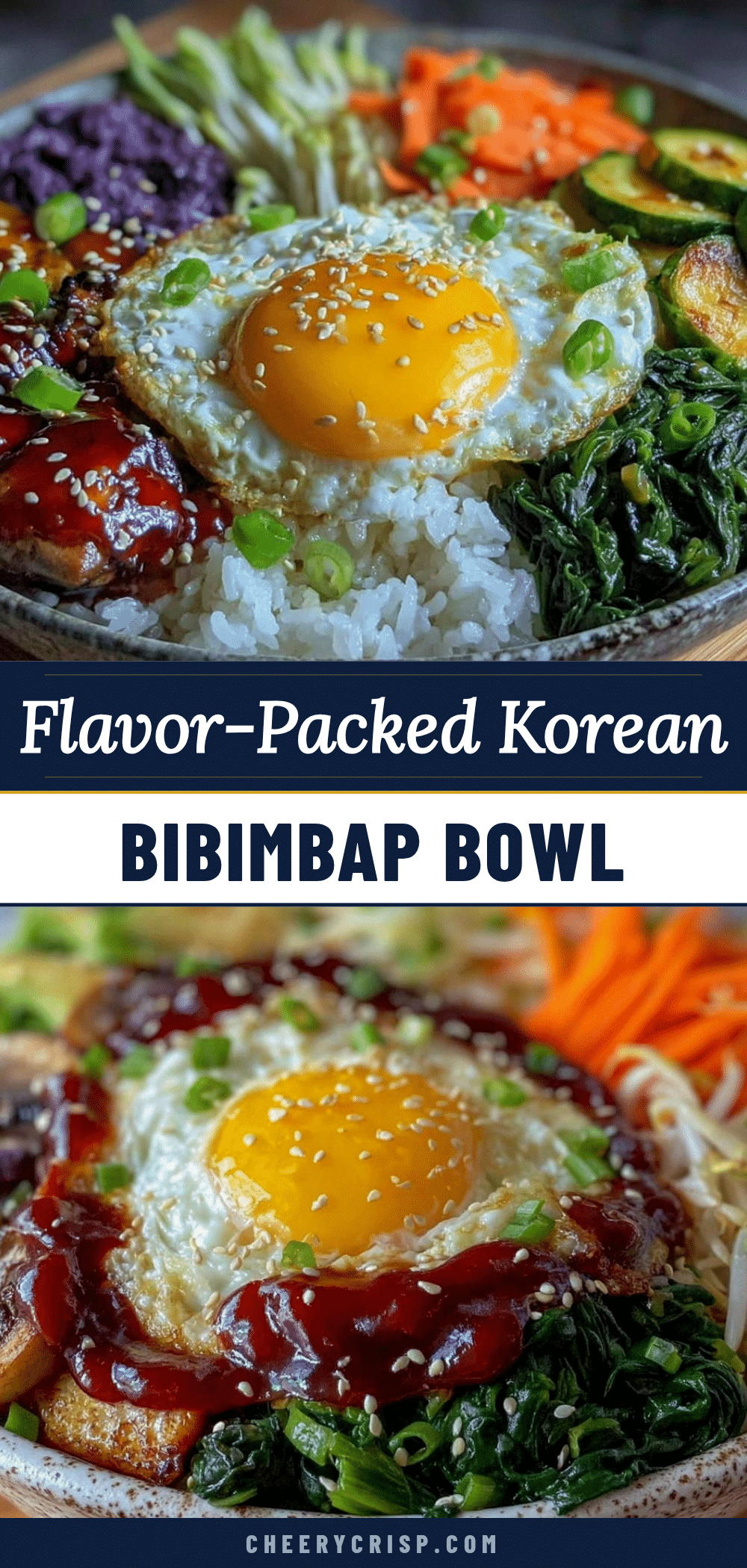
Flavorful Korean Bibimbap Bowl Recipe Easy Homemade Gochujang Sauce
A vibrant and satisfying Korean bibimbap bowl featuring tender marinated beef, crisp sautéed vegetables, and a homemade spicy-sweet gochujang sauce. Perfect for a quick, wholesome meal that brings comfort and excitement to your table.
- Prep Time: 15 minutes
- Cook Time: 25 minutes
- Total Time: 40 minutes
- Yield: 2 servings 1x
- Category: Main Course
- Cuisine: Korean
Ingredients
- 1 cup short-grain white rice (or brown rice for a nuttier flavor)
- 200g (7 oz) ground beef or thinly sliced ribeye (use tofu for vegetarian option)
- 1 medium carrot, julienned
- 1 zucchini, julienned
- 1 cup shiitake mushrooms, sliced (fresh or dried rehydrated)
- 2 cups fresh spinach
- 2 eggs (preferably organic, for frying or poaching)
- 2 cloves garlic, minced
- 1 tbsp sesame oil (toasted for best flavor)
- 1 tbsp vegetable oil (for sautéing)
- Salt and pepper, to taste
- 1 tbsp soy sauce (I like Kikkoman for consistency)
- 1 tsp sugar (optional, balances the beef marinade)
- 3 tbsp Korean chili paste (gochujang)
- 1 tbsp sesame oil (for sauce)
- 1 tbsp rice vinegar
- 1 tbsp honey or maple syrup (for natural sweetness)
- 1 garlic clove, finely grated
- 1 tsp soy sauce (for sauce)
- 1 tsp toasted sesame seeds (optional, for garnish)
Instructions
- Cook the Rice (20-25 minutes): Rinse 1 cup of rice under cold water until the water runs clear. Add to a saucepan with 1 1/4 cups water (300 ml). Bring to a boil, then reduce to a simmer, cover, and cook for 15-20 minutes until water is absorbed and rice is tender. Let it rest, covered, for 10 minutes before fluffing with a fork.
- Prepare Vegetables (10 minutes): While the rice cooks, wash and julienne the carrot and zucchini. Slice mushrooms and rinse spinach thoroughly. Heat 1/2 tbsp vegetable oil in a skillet over medium heat. Sauté carrots separately for 2-3 minutes with a pinch of salt until tender-crisp, then set aside. Repeat with zucchini and mushrooms, cooking each separately to keep flavors distinct. Quickly blanch the spinach in boiling water for 30 seconds, drain, and press out excess water. Season with a tiny…
- Cook the Beef (8-10 minutes): In the same skillet, add 1/2 tbsp vegetable oil and sauté minced garlic over medium heat until fragrant (about 30 seconds). Add ground beef or sliced ribeye, season with soy sauce, sugar, salt, and pepper. Cook, stirring occasionally, until browned and cooked through (about 5-7 minutes). Remove from heat.
- Make the Gochujang Sauce (5 minutes): In a small bowl, whisk together gochujang, sesame oil, rice vinegar, honey, grated garlic, and soy sauce until smooth. Taste and adjust sweetness or acidity as needed.
- Cook the Egg (3-5 minutes): Fry or poach the eggs to your liking. Sunny-side-up with a runny yolk is recommended for richness.
- Assemble the Bibimbap (5 minutes): Scoop rice into bowls. Arrange the sautéed vegetables and cooked beef around the edges in neat sections. Place the fried egg on top. Drizzle or serve the gochujang sauce on the side for mixing.
Notes
Cook vegetables separately to keep flavors distinct and avoid sogginess. Use fresh spinach for best texture. Adjust gochujang sauce sweetness and acidity to taste. For gluten-free, substitute tamari for soy sauce and check gochujang label. Mix just before eating to enjoy the contrast of textures and flavors. Leftovers store well separately for up to 2 days.
Nutrition
- Serving Size: 1 bowl
- Calories: 550
- Sugar: 10
- Sodium: 700
- Fat: 28
- Saturated Fat: 6
- Carbohydrates: 45
- Fiber: 5
- Protein: 30
Keywords: bibimbap, Korean food, gochujang sauce, homemade sauce, easy Korean recipe, ground beef bibimbap, vegetarian bibimbap, healthy Korean bowl