Love this? Save it for later!
Share the inspiration with your friends
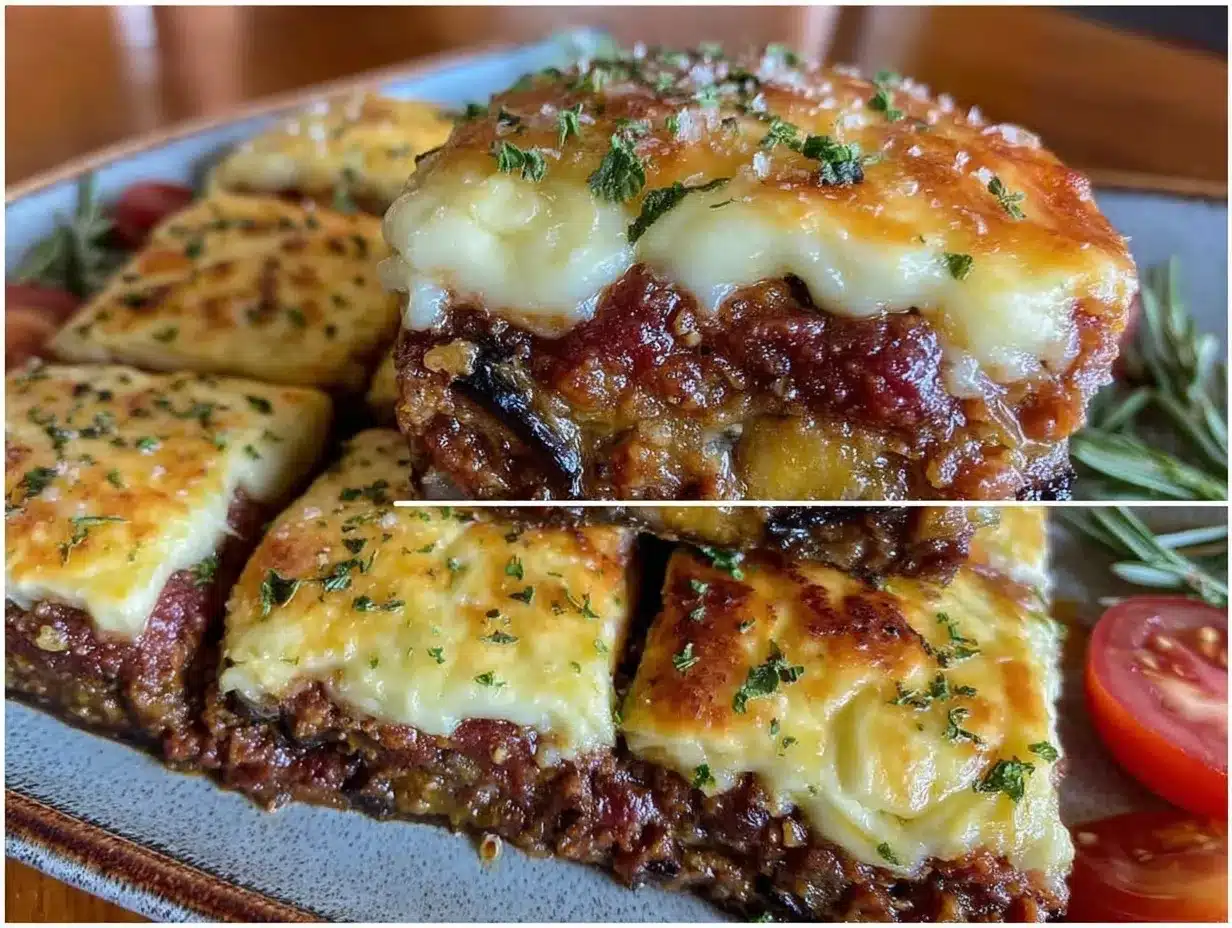
“I wasn’t expecting to find a Greek moussaka recipe scribbled in the margins of an old cookbook I picked up at a dusty flea market,” I remember telling my friend Mia as I flipped through the yellowed pages. It was last fall, and the rain was tapping steadily against the cafe window where we sat. The book looked ancient, its spine cracked, and inside, amidst recipes for obscure European dishes, was this gem: a classic comforting Greek moussaka with creamy béchamel.
Honestly, I almost skipped it. I’d tried moussaka before, and it never quite hit the mark — usually too dry or overwhelmed by spices. But this handwritten note promised something different: layers of tender eggplant, a rich meat sauce with hints of cinnamon and oregano, and that silky béchamel topping that bakes into a golden crust. I made a mess the first time I tried it—forgot the nutmeg in the béchamel and nearly burned the sauce. Yet, that imperfect first batch turned out surprisingly delicious. That kitchen chaos, the cracked bowl I kept knocking over, and the lingering aroma pulling me back to the stove made me swear to perfect it.
Maybe you’ve been there, chasing a recipe that feels like a cozy hug on a plate. This classic Greek moussaka recipe has since become my go-to comfort food, the kind you want to make when the world feels a bit off-kilter. It’s hearty, soothing, and honestly, a little indulgent with that creamy béchamel crowning it all. Let me tell you, this isn’t just a recipe; it’s a story stitched together by warm memories and a few kitchen blunders, and it’s waiting to become a part of your culinary story too.
Why You’ll Love This Classic Greek Moussaka Recipe
After many trials in my kitchen, this recipe stands out for all the right reasons. I’m not just saying that because I spent hours tweaking it—though, yes, I did. It’s about the experience of making something truly comforting and authentic with ease. Here’s why this classic Greek moussaka with creamy béchamel deserves a spot in your recipe collection:
- Quick & Easy: Despite sounding fancy, this moussaka comes together in about 90 minutes, perfect for a weekend dinner that feels special without stress.
- Simple Ingredients: No need for exotic spices or hard-to-find components; these are pantry staples and fresh veggies you can grab from your local market.
- Perfect for Cozy Dinners: Whether you’re hosting a small gathering or just want a comforting meal, this dish delivers soul-soothing warmth.
- Crowd-Pleaser: I’ve served it to skeptics and seasoned Greek food lovers alike—everyone loves it!
- Unbelievably Delicious: The harmony of the spiced meat, tender eggplant, and creamy béchamel is something you’ll think about long after the last bite.
What makes this recipe stand apart is the béchamel sauce—light, yet luxuriously creamy, with just a pinch of nutmeg that brings the whole dish together. Plus, the meat sauce is balanced, not too heavy, letting the vegetables shine through. Honestly, it’s comfort food as it should be: rich, satisfying, and with a bit of homemade charm that you just can’t get from a takeout box.
What Ingredients You Will Need
This recipe uses simple, wholesome ingredients to deliver bold flavor and a satisfying texture without fuss. Most of these are pantry staples, and the fresh veggies give it that authentic touch. Here’s what you’ll need:
- For the Eggplant Layer:
- 2 large eggplants, sliced into ½-inch rounds (choose firm, glossy ones)
- Salt, for drawing out moisture
- Olive oil, for brushing and frying
- For the Meat Sauce:
- 1 lb (450 g) ground beef or lamb (I prefer lamb for authentic flavor)
- 1 medium onion, finely chopped
- 2 cloves garlic, minced
- 1 can (14 oz/400 g) crushed tomatoes
- 2 tbsp tomato paste (I like Mutti brand for richness)
- ½ cup (120 ml) red wine (optional but adds depth)
- 1 tsp ground cinnamon
- 1 tsp dried oregano
- Salt and freshly ground black pepper, to taste
- 2 tbsp olive oil
- For the Creamy Béchamel Sauce:
- 4 cups (1 L) whole milk, warmed (can substitute dairy-free milk if preferred)
- 5 tbsp unsalted butter
- 5 tbsp all-purpose flour
- 1/4 tsp ground nutmeg (don’t skip this!)
- 2 large eggs, beaten (helps create that golden, custardy top)
- Salt and white pepper, to taste
- Additional:
- ½ cup (50 g) grated Parmesan or Kefalotyri cheese (for topping)
Feel free to swap ground beef for turkey or chicken for a lighter twist. And if you want a vegetarian version, swap the meat sauce for a hearty lentil or mushroom ragù—trust me, it works beautifully.
Equipment Needed
- A large skillet or frying pan for sautéing the meat and onions
- A griddle or large frying pan for cooking eggplant slices (non-stick is great to avoid sticking)
- Medium saucepan to prepare the béchamel sauce
- 9×13 inch (23×33 cm) baking dish or similar size casserole dish
- Whisk for making béchamel (a balloon whisk works best to avoid lumps)
- Mixing bowls for preparing ingredients
- Oven mitts and a spatula
If you don’t have a griddle, a large non-stick skillet will work fine for the eggplant. For béchamel, patience is key—use a heavy-bottomed saucepan to prevent scorching, and keep whisking for smoothness. I love using a Pyrex measuring cup for pouring the béchamel evenly over the layers. If you’re on a budget, a basic stainless steel pan and a good wooden spoon get the job done just as well.
Preparation Method
- Prepare the Eggplant: Slice the eggplants into ½-inch rounds and sprinkle both sides generously with salt. Place them in a colander for about 30 minutes to draw out moisture and bitterness. Rinse the slices under cold water and pat dry with paper towels. This step ensures tender, non-bitter eggplant layers.
- Cook the Eggplant: Heat olive oil in a skillet over medium heat. Working in batches, fry the eggplant slices for about 2-3 minutes per side until golden and soft. Transfer to a paper towel-lined plate to drain excess oil. Alternatively, brush the slices with olive oil and roast in a 400°F (200°C) oven for 20 minutes, turning once.
- Make the Meat Sauce: In a large skillet, heat 2 tablespoons olive oil over medium heat. Add the chopped onion and cook until translucent, about 5 minutes. Add minced garlic and cook for 1 minute more. Increase heat to medium-high, add ground meat, breaking it apart with a spoon, and cook until browned, about 8 minutes.
- Stir in tomato paste, crushed tomatoes, red wine (if using), cinnamon, oregano, salt, and pepper. Reduce heat to low and simmer gently for 25-30 minutes, stirring occasionally until thickened. Adjust seasoning to taste.
- Prepare the Béchamel Sauce: Warm the milk in a saucepan or microwave until just hot (not boiling). In a separate medium saucepan, melt butter over medium heat. Whisk in the flour and cook for 2-3 minutes, stirring constantly – this is your roux.
- Slowly pour the warm milk into the roux in a thin stream, whisking continuously to avoid lumps. Cook until the sauce thickens and coats the back of a spoon, about 7-10 minutes. Remove from heat and stir in nutmeg, salt, and white pepper.
- Temper the beaten eggs by slowly whisking a few spoonfuls of the hot béchamel into the eggs, then stir the eggs back into the sauce. This prevents scrambling and gives you that rich, custardy topping.
- Assemble the Moussaka: Preheat your oven to 350°F (175°C). In your baking dish, layer half of the eggplant slices evenly on the bottom. Spread the meat sauce over the eggplant. Add the remaining eggplant slices on top of the meat layer.
- Pour the béchamel sauce evenly over the top, smoothing it out with a spatula. Sprinkle grated Parmesan or Kefalotyri cheese on top.
- Bake: Bake uncovered for 45-50 minutes or until the béchamel is set and golden brown. Let the moussaka rest for at least 20 minutes before serving to allow the layers to set properly.
Tip: Don’t rush the resting time! I learned the hard way that cutting into it too soon makes the layers slide apart. Patience is key to that beautiful slice.
Cooking Tips & Techniques
When making this classic Greek moussaka, a few tricks go a long way. First, salting the eggplant slices before cooking is essential to remove bitterness and prevent sogginess—don’t skip it, even if you’re in a hurry.
For the béchamel, keep your heat moderate and whisk constantly. I sometimes get distracted and end up with lumps, so set a timer if you have to! Adding the eggs off the heat after tempering them keeps the sauce silky and prevents scrambling.
Brown the meat well to build flavor; it’s worth the extra few minutes. When simmering the meat sauce, low and slow is the way to go—this deepens the taste and thickens the sauce.
Multitasking helps here: while the sauce simmers, prepare the eggplant, and warm the milk for béchamel. This keeps the process flowing smoothly without the usual kitchen chaos.
Finally, give the moussaka time to rest after baking. Letting it cool for 20 minutes means cleaner slices and a better mouthfeel. It’s a small step that makes a big difference.
Variations & Adaptations
This recipe is wonderfully adaptable depending on your tastes and dietary needs. Here are a few ideas I’ve tried and loved:
- Vegetarian Version: Swap the meat sauce with a mix of sautéed mushrooms, lentils, and walnuts for a hearty, protein-packed layer.
- Low-Carb Option: Replace the eggplant with thinly sliced zucchini or roasted cauliflower steaks to cut carbs.
- Spice it Up: Add a pinch of smoked paprika or ground allspice to the meat sauce for a subtle smoky warmth.
- Dairy-Free Béchamel: Use coconut or almond milk with a bit of nutritional yeast in the béchamel for a creamy, vegan-friendly topping.
- Cheese Swap: For a sharper flavor, try grated aged Manchego or Pecorino Romano instead of Parmesan.
I once made a version with sweet potatoes layered in — it added a lovely sweetness and vibrant color. Honestly, the key is balancing the creaminess of the béchamel with the savory layers beneath, so feel free to experiment!
Serving & Storage Suggestions
Serve your classic Greek moussaka warm or at room temperature with a simple side salad of crisp greens dressed in lemon and olive oil. It pairs beautifully with a glass of dry red wine or a refreshing iced tea on warmer days.
Leftovers keep well in the fridge for up to 3 days, tightly covered. When reheating, warm it gently in the oven at 325°F (160°C) to maintain that lovely crust and avoid drying out. You can also microwave individual slices but cover loosely to keep moisture in.
This dish tastes even better the next day as the flavors meld together—so if you have the patience, make it ahead and enjoy the depth of flavor the following day.
Nutritional Information & Benefits
Each serving of this classic Greek moussaka provides a comforting balance of protein, healthy fats, and vegetables. The eggplant offers dietary fiber and antioxidants, while the ground meat delivers essential iron and B vitamins. The béchamel adds calcium and protein from the milk and eggs.
This recipe is naturally gluten-free if you substitute the flour in béchamel with a gluten-free mix or cornstarch. For a lower-fat version, use lean meat and skim milk, though the béchamel might be less creamy.
It’s a wholesome, satisfying meal that fits well into balanced eating patterns, especially when paired with fresh vegetables or a salad.
Conclusion
This classic Greek moussaka with creamy béchamel is more than just a recipe—it’s a warm, comforting experience that brings a little taste of Mediterranean home cooking right to your table. Whether you’re making it for a special occasion or a cozy weeknight, it’s a dish that invites you to slow down and savor each bite. I love how it combines simple ingredients into something that feels truly special without fuss.
Give it a try, and don’t be afraid to make it your own—add your favorite herbs or swap ingredients to suit your mood. And if you do, I’d love to hear how it turns out! Share your thoughts and any tweaks you make in the comments below. Happy cooking, and may your kitchen be filled with delicious aromas and happy memories!
Frequently Asked Questions About Classic Greek Moussaka
What is the best way to cook eggplant for moussaka?
Salting the eggplant slices first to remove bitterness and then frying or roasting them until tender and golden is best. Roasting is less oily, but frying adds a richer flavor.
Can I make moussaka ahead of time?
Absolutely! Moussaka actually tastes better the next day as the flavors meld. Just store it covered in the fridge and reheat gently before serving.
Is there a vegetarian version of moussaka?
Yes, you can replace the meat sauce with a savory mushroom, lentil, or vegetable ragù for a delicious vegetarian alternative.
Can I freeze moussaka?
Yes, moussaka freezes well. Freeze in portions and thaw overnight in the fridge before reheating in the oven.
What can I use if I don’t have ground lamb?
Ground beef is a common substitute and works well. For a leaner option, ground turkey or chicken can be used, though the flavor will be milder.
PrintClassic Greek Moussaka Recipe Easy Homemade Comfort Food With Creamy Béchamel
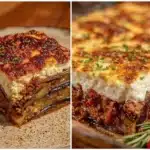
A classic Greek moussaka featuring layers of tender eggplant, a rich spiced meat sauce, and a creamy béchamel topping baked to golden perfection. This comforting dish is perfect for cozy dinners and special occasions.
- Prep Time: 40 minutes
- Cook Time: 50 minutes
- Total Time: 1 hour 30 minutes
- Yield: 6 servings 1x
- Category: Main Course
- Cuisine: Greek
Ingredients
- 2 large eggplants, sliced into ½-inch rounds
- Salt, for drawing out moisture
- Olive oil, for brushing and frying
- 1 lb (450 g) ground beef or lamb
- 1 medium onion, finely chopped
- 2 cloves garlic, minced
- 1 can (14 oz/400 g) crushed tomatoes
- 2 tbsp tomato paste
- ½ cup (120 ml) red wine (optional)
- 1 tsp ground cinnamon
- 1 tsp dried oregano
- Salt and freshly ground black pepper, to taste
- 2 tbsp olive oil
- 4 cups (1 L) whole milk, warmed
- 5 tbsp unsalted butter
- 5 tbsp all-purpose flour
- ¼ tsp ground nutmeg
- 2 large eggs, beaten
- Salt and white pepper, to taste
- ½ cup (50 g) grated Parmesan or Kefalotyri cheese
Instructions
- Slice the eggplants into ½-inch rounds and sprinkle both sides generously with salt. Place them in a colander for about 30 minutes to draw out moisture and bitterness. Rinse the slices under cold water and pat dry with paper towels.
- Heat olive oil in a skillet over medium heat. Working in batches, fry the eggplant slices for about 2-3 minutes per side until golden and soft. Transfer to a paper towel-lined plate to drain excess oil. Alternatively, brush the slices with olive oil and roast in a 400°F (200°C) oven for 20 minutes, turning once.
- In a large skillet, heat 2 tablespoons olive oil over medium heat. Add the chopped onion and cook until translucent, about 5 minutes. Add minced garlic and cook for 1 minute more.
- Increase heat to medium-high, add ground meat, breaking it apart with a spoon, and cook until browned, about 8 minutes.
- Stir in tomato paste, crushed tomatoes, red wine (if using), cinnamon, oregano, salt, and pepper. Reduce heat to low and simmer gently for 25-30 minutes, stirring occasionally until thickened. Adjust seasoning to taste.
- Warm the milk in a saucepan or microwave until just hot (not boiling). In a separate medium saucepan, melt butter over medium heat. Whisk in the flour and cook for 2-3 minutes, stirring constantly to make a roux.
- Slowly pour the warm milk into the roux in a thin stream, whisking continuously to avoid lumps. Cook until the sauce thickens and coats the back of a spoon, about 7-10 minutes. Remove from heat and stir in nutmeg, salt, and white pepper.
- Temper the beaten eggs by slowly whisking a few spoonfuls of the hot béchamel into the eggs, then stir the eggs back into the sauce to prevent scrambling.
- Preheat oven to 350°F (175°C). In a baking dish, layer half of the eggplant slices evenly on the bottom. Spread the meat sauce over the eggplant. Add the remaining eggplant slices on top of the meat layer.
- Pour the béchamel sauce evenly over the top, smoothing it out with a spatula. Sprinkle grated Parmesan or Kefalotyri cheese on top.
- Bake uncovered for 45-50 minutes or until the béchamel is set and golden brown.
- Let the moussaka rest for at least 20 minutes before serving to allow the layers to set properly.
Notes
Salting eggplant before cooking removes bitterness and prevents sogginess. Whisk béchamel constantly over moderate heat to avoid lumps. Temper eggs before adding to béchamel to prevent scrambling. Let moussaka rest 20 minutes after baking for cleaner slices.
Nutrition
- Serving Size: 1 slice (approximate
- Calories: 450
- Sugar: 8
- Sodium: 450
- Fat: 28
- Saturated Fat: 12
- Carbohydrates: 22
- Fiber: 5
- Protein: 25
Keywords: Greek moussaka, classic moussaka, creamy béchamel, comfort food, eggplant casserole, Mediterranean recipe, homemade moussaka