Love this? Save it for later!
Share the inspiration with your friends
“You know that moment when you’re halfway through making a batch of cookies, and suddenly you realize you grabbed the wrong flour? Yeah, that happened to me on a rainy Thursday afternoon at my tiny kitchen in Portland. I was supposed to be baking a simple treat for a friend’s birthday, but instead of my usual wheat flour, I accidentally reached for a bag of gluten-free flours I had picked up on a whim at the local co-op. Honestly, I thought I was doomed—gluten-free baking had always been a bit of a mystery and, well, often a letdown.
But then something surprising happened. That mix of rice flour, tapioca starch, and a few other pantry players came together in a way that actually worked—like, really worked. The cookies had that tender crumb and just the right chew, and nobody could tell they were gluten-free. Since then, I’ve been perfecting what I now call my best gluten-free all-purpose flour blend, the one that makes gluten-free baking not only doable but genuinely enjoyable. I mean, let’s face it, anyone who’s tried gluten-free bread or cake knows it can be a challenge to get the texture right.
Maybe you’ve been there, staring at a recipe and wondering if gluten-free flour will mess everything up. Well, this blend is the answer I wish I’d had years ago. It’s simple, reliable, and made from ingredients that you either already have or can easily find. So whether you’re baking for a gluten-free diet or just want to experiment with something new, this recipe will be your new kitchen buddy. And yes, I did end up making those birthday cookies (a little late, thanks to the flour mix-up), and they were a hit—mess and all!
Why You’ll Love This Recipe
After countless trials (and a few flour explosions), I’m confident this gluten-free all-purpose flour blend is one of the best you’ll try. Here’s why:
- Quick & Easy: Mix together in under 5 minutes, perfect for last-minute baking sessions or busy days when you need reliable results fast.
- Simple Ingredients: Uses pantry staples like rice flour and tapioca starch—no need for specialty stores or confusing exotic ingredients.
- Perfect for All Baking: Works beautifully for cookies, muffins, pancakes, and yes, even cakes and breads.
- Crowd-Pleaser: Gluten-free or not, friends and family always ask for the recipe after tasting baked goods made with this blend.
- Unbelievably Delicious: Creates a tender crumb with just the right bounce—no gritty texture or weird aftertaste.
This isn’t just another gluten-free flour mix floating around the internet. I’ve tested it hundreds of times, tweaking ratios and trying different brands to nail the perfect balance of flavor and texture. The key is the combination of flours and starches that play off each other, giving you that familiar baking feel. Honestly, this blend makes gluten-free baking feel less like a chore and more like sheer fun.
Whether you’re baking for health reasons or just want to try something new, this blend is your shortcut to baking success without the fuss.
What Ingredients You Will Need
This best gluten-free all-purpose flour blend is built from simple, wholesome ingredients that bring together the perfect texture and flavor without overwhelming your pantry. Most of these are staples in gluten-free kitchens, but you can usually find them in well-stocked grocery stores or online. Here’s the breakdown:
- White Rice Flour (1 cup / 120g) – The base of the blend. It’s mild in flavor and provides structure without heaviness. I recommend Bob’s Red Mill for a nice fine texture.
- Brown Rice Flour (1 cup / 130g) – Adds a subtle nuttiness and depth. It also helps with moisture retention. Use whole grain for better flavor.
- Tapioca Starch (or Tapioca Flour) (1 cup / 130g) – Gives chewiness and elasticity that gluten usually provides. Arrowhead Mills brand works well.
- Potato Starch (1/2 cup / 60g) – Lightens the blend and adds tenderness. Make sure to get potato starch, not potato flour.
- Xanthan Gum (1 teaspoon) – The magic binder that holds everything together, mimicking gluten’s stretchiness. You can omit if your recipe already calls for a binder, but I find it helps a lot.
Optional additions:
- Sweet Rice Flour (Glutinous Rice Flour) (up to 1/2 cup / 60g) – For extra chewiness in breads and pizza doughs.
- Ground Flaxseed (1 tablespoon) – Adds a subtle nutty flavor and boosts fiber content.
Substitution tips:
- If you prefer a gluten-free blend without brown rice, swap it for sorghum flour for a slightly sweeter note.
- For a grain-free option, try a mix of almond flour and tapioca starch, but note the texture will be denser.
- If you don’t have xanthan gum, guar gum is a fine substitute in equal amounts.
Pro tip: Always sift your flours and starches together before storing or using. It helps keep the blend light and prevents clumps.
Equipment Needed
Making this gluten-free flour blend requires minimal equipment, which is one reason I love it so much. Here’s what you’ll need:
- Measuring Cups and Spoons: Accurate measuring is key, especially with flours and starches. I use a digital kitchen scale (highly recommended) to weigh ingredients in grams for precision.
- Mixing Bowl: A medium to large bowl for combining your flours.
- Whisk or Fork: For thoroughly mixing and aerating the blend.
- Sifter or Fine Mesh Strainer (optional): Helps remove lumps and keeps the blend light, but you can mix well with a whisk if you don’t have one.
- Airtight Container or Jar: For storing your flour blend. I like glass jars with airtight lids to keep the mix fresh and moisture-free.
Budget-friendly tip: If you don’t have a kitchen scale, use level measuring cups and spoons, but try to avoid scooping flour directly with the cup—it packs the flour and affects the texture.
Maintenance note: If you use a sifter, give it a gentle tap after every few uses to prevent flour buildup, which could clog it over time.
Preparation Method
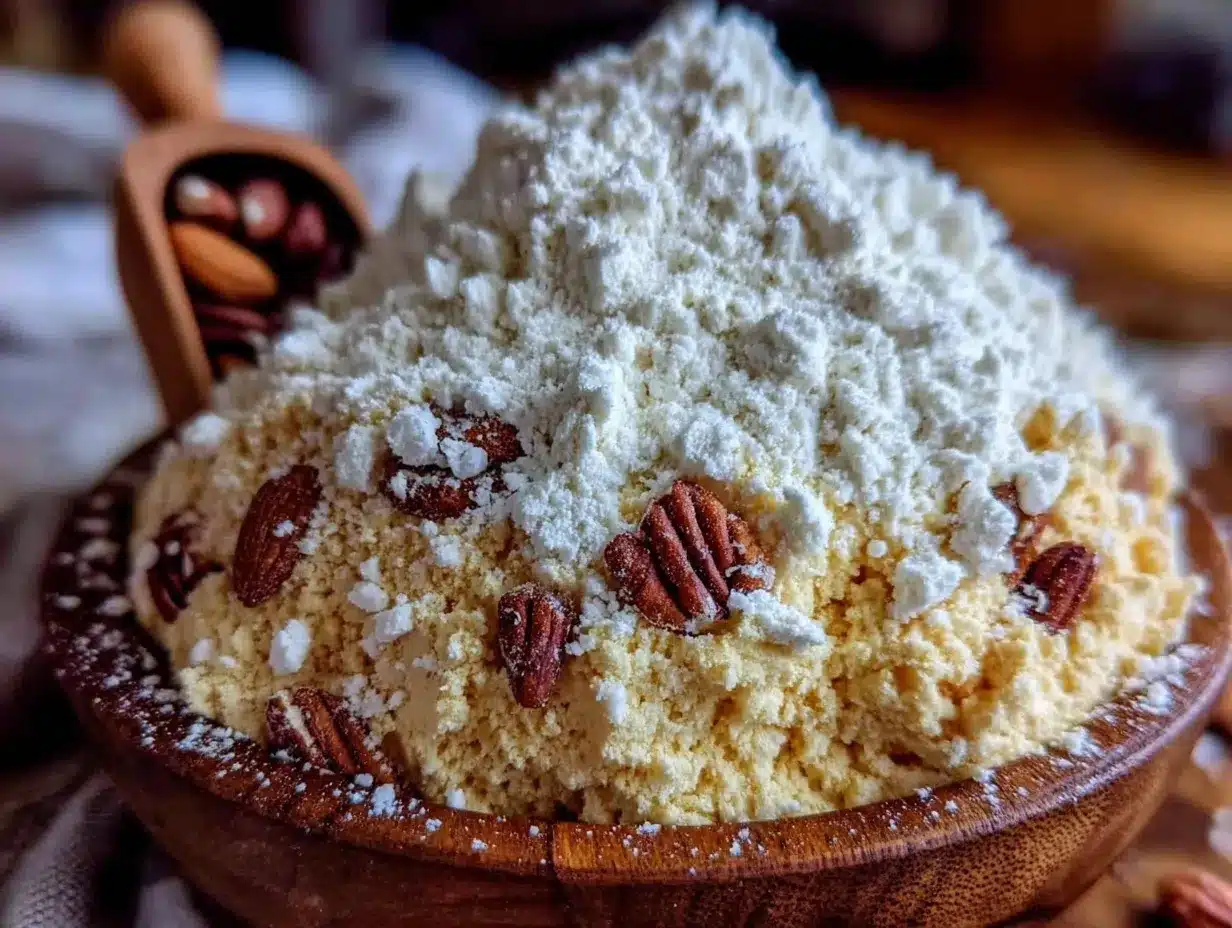
- Measure Each Flour and Starch Accurately: Using a kitchen scale, weigh the white rice flour (120g), brown rice flour (130g), tapioca starch (130g), and potato starch (60g). If you don’t have a scale, use level measuring cups as a substitute—1 cup usually equals about 120-130 grams depending on the ingredient.
- Combine in a Large Bowl: Pour all measured flours and starches into a mixing bowl. Add 1 teaspoon of xanthan gum (or guar gum if preferred) for binding.
- Whisk Thoroughly: Use a whisk or fork to mix the ingredients together until evenly combined. This step is key to ensure your blend bakes consistently without dry spots or lumps.
- Sift the Blend (Optional but Recommended): For an ultra-smooth texture, sift the mixture through a fine mesh strainer into another bowl. This helps aerate and remove any clumps, especially if your flours have settled during storage.
- Store Properly: Transfer your gluten-free all-purpose flour blend into an airtight container or jar. Label it with the date and contents. It should keep well for up to 3 months in a cool, dry place or longer if refrigerated.
- Usage Tips: Use this blend cup-for-cup in place of regular all-purpose flour in most baking recipes. For best results, combine with recipes specifically designed or adapted for gluten-free baking.
Personal note: I once forgot to add the xanthan gum and thought the batter was doomed. The resulting cake was crumbly and sad—lesson learned: don’t skip the binder! Also, if you find your dough or batter too dry, adding a splash of extra liquid (milk, water, or oil) helps balance the texture.
Cooking Tips & Techniques
Gluten-free baking can be tricky, but a few tried-and-true tips make all the difference:
- Don’t Overmix: Unlike regular flour, gluten-free batters can become gummy if overworked. Mix just until combined for tender results.
- Use Room Temperature Ingredients: This helps with even mixing and better texture.
- Rest the Batter: Let your batter or dough sit for 15-30 minutes before baking. This allows the flours and starches to hydrate fully, improving texture.
- Watch Baking Times: Gluten-free baked goods often brown faster, so keep an eye on your oven and test doneness early with a toothpick.
- Experiment with Moisture: Gluten-free flours absorb liquids differently. Adjust liquids slightly if your batter seems too thick or dry.
- Personal Experience: I learned that switching brands of tapioca starch can change the chewiness noticeably. Stick to trusted brands like Arrowhead Mills for consistent results.
Remember, patience is your friend here. Every kitchen and brand can behave a little differently, so don’t be discouraged if your first batch isn’t perfect. Practice makes perfect!
Variations & Adaptations
This best gluten-free all-purpose flour blend is versatile, and you can tweak it to suit your needs or preferences. Here are some variations I’ve tried and loved:
- Nut-Free Version: Swap brown rice flour with sorghum flour to avoid any nuts or seeds. Sorghum adds a slight sweetness and is gentle on sensitive stomachs.
- Grain-Free Blend: For paleo-friendly baking, replace rice flours with almond flour and increase tapioca starch slightly. Keep in mind the texture will be denser and more moist.
- Seasonal Flavors: Add 1-2 teaspoons of ground cinnamon, cardamom, or pumpkin pie spice to the blend for cozy fall-inspired bakes.
- Extra Chewy Doughs: Incorporate up to 1/2 cup of sweet rice flour for bread or pizza dough recipes that need more elasticity.
One personal favorite is adding a tablespoon of ground flaxseed for fiber and a subtle nutty depth in muffins. It’s a small change but makes a noticeable difference in flavor and nutrition.
Serving & Storage Suggestions
This gluten-free all-purpose flour blend is best used fresh but stores well when kept airtight. Here’s how I handle it:
- Storage: Keep the blend in a cool, dry place for up to 3 months. For longer storage, refrigerate or freeze it in an airtight container to prevent rancidity.
- Refrigerating: If stored in the fridge or freezer, let the flour come to room temperature before baking to avoid clumps.
- Serving: Use this blend as a direct substitute in your favorite gluten-free recipes. It works beautifully for cookies, pancakes, muffins, and breads.
- Flavor Development: Baked goods made with this blend often taste even better the next day as flavors meld and moisture redistributes.
- Pairings: Gluten-free muffins made with this flour blend go wonderfully with a smear of butter and a cup of tea or coffee. For savory baked goods, pair with fresh herbs or a sharp cheese.
Nutritional Information & Benefits
This gluten-free all-purpose flour blend is free from wheat, barley, and rye, making it suitable for those with celiac disease or gluten sensitivity. Here’s a quick look at its nutritional profile per 1/4 cup (about 30g):
- Calories: Approximately 110-120
- Carbohydrates: 24g (mostly complex carbs from rice flours)
- Fiber: 1-2g (higher if using brown rice or flaxseed)
- Protein: 1-2g
- Fat: 0-1g
Key benefits include being naturally free of gluten and soy, low in fat, and easy to digest. The blend’s starches provide the light texture expected in baked goods, while rice flours add some nutrients and a mild, pleasant flavor.
From a wellness perspective, baking at home with this blend lets you control ingredients and avoid additives often found in store-bought gluten-free mixes. I personally feel better knowing exactly what’s in my flour and appreciate the energy boost from homemade treats that don’t weigh me down.
Conclusion
If you’ve ever struggled with gluten-free baking, this best gluten-free all-purpose flour blend is a game-changer. It’s simple, reliable, and delicious—qualities that make baking fun again instead of frustrating. I love how it turns out consistent results, whether I’m whipping up pancakes on a lazy weekend morning or baking cookies for a last-minute gathering.
Feel free to tweak the blend based on your taste and dietary needs; it’s forgiving and flexible. Let me know how it works for you or if you’ve come up with a clever variation! I’d love to hear your stories and swap tips.
So go ahead, mix up a batch, and start baking confidently. Trust me, this little blend will quickly become your kitchen staple, and you’ll wonder how you ever baked without it.
FAQs
Can I substitute this gluten-free flour blend directly for regular flour in any recipe?
Yes, you can generally substitute it cup-for-cup for all-purpose flour in most recipes. However, some adjustments to liquids or baking times might be needed depending on the recipe.
Do I really need xanthan gum in this blend?
Xanthan gum acts as a binder to mimic gluten’s elasticity. It’s highly recommended but can be omitted if your recipe already includes another binder like eggs or chia seeds.
How should I store the gluten-free flour blend?
Store it in an airtight container in a cool, dry place for up to 3 months. For longer freshness, keep it refrigerated or frozen and bring it to room temperature before use.
Can I use this blend for bread baking?
Absolutely! This blend works well for gluten-free breads, especially if you add some sweet rice flour for extra chewiness.
Is this flour blend suitable for people with nut allergies?
Yes, this blend is nut-free by default, but if you add optional ingredients like flaxseed or almond flour variations, be mindful of allergies and adjust accordingly.
Pin This Recipe!
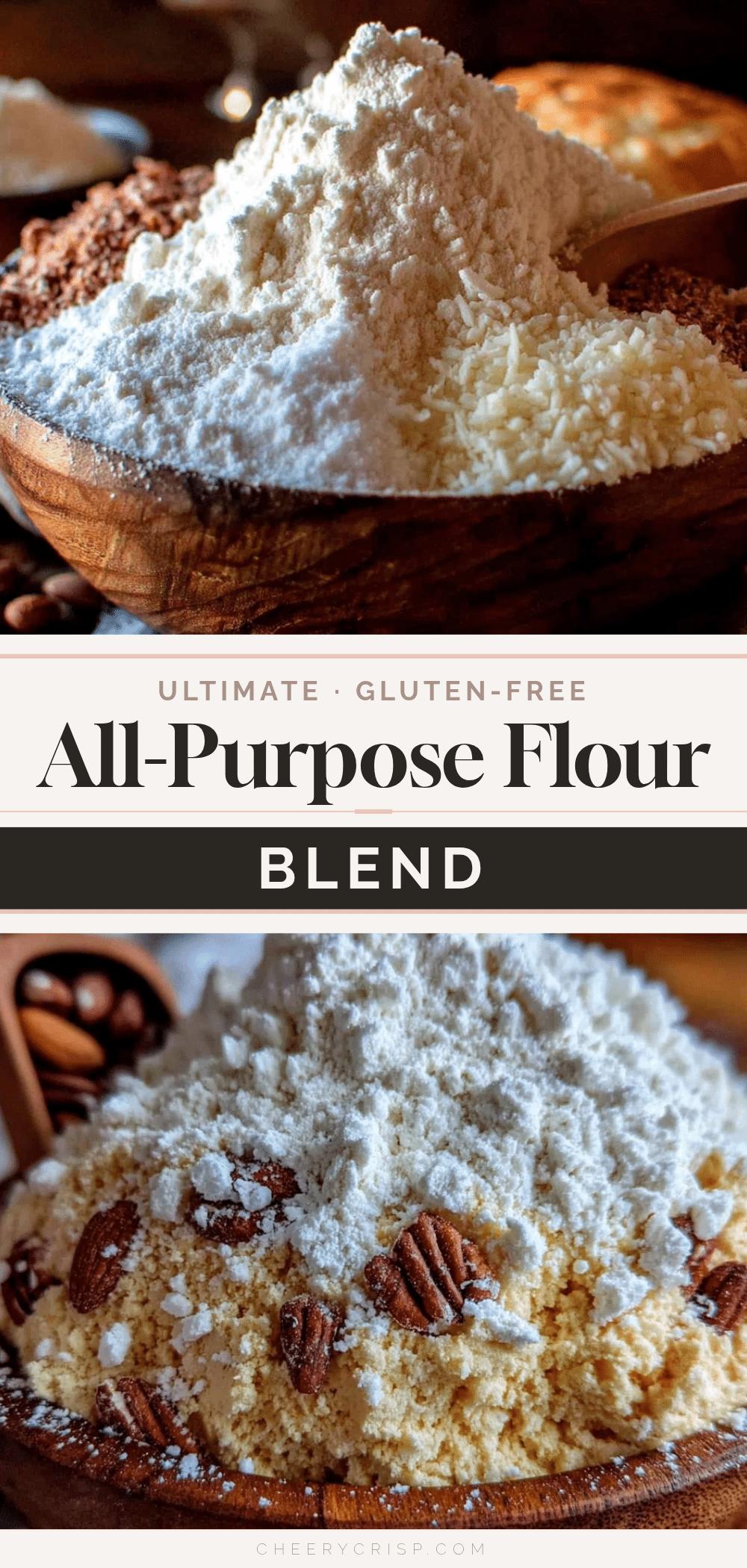
Best Gluten-Free All-Purpose Flour Blend for Easy Baking Success
A simple, reliable gluten-free all-purpose flour blend that works beautifully for cookies, muffins, pancakes, cakes, and breads, providing a tender crumb and just the right chew.
- Prep Time: 5 minutes
- Cook Time: N/A
- Total Time: 5 minutes
- Yield: About 3 1/2 cups of gluten-free flour blend 1x
- Category: Baking Ingredient
- Cuisine: Gluten-Free
Ingredients
- 1 cup (120g) White Rice Flour
- 1 cup (130g) Brown Rice Flour
- 1 cup (130g) Tapioca Starch (or Tapioca Flour)
- 1/2 cup (60g) Potato Starch
- 1 teaspoon Xanthan Gum (optional: substitute with guar gum)
- Optional: up to 1/2 cup (60g) Sweet Rice Flour (Glutinous Rice Flour)
- Optional: 1 tablespoon Ground Flaxseed
Instructions
- Measure each flour and starch accurately using a kitchen scale or level measuring cups.
- Combine white rice flour, brown rice flour, tapioca starch, potato starch, and xanthan gum in a large mixing bowl.
- Whisk thoroughly with a whisk or fork until evenly combined and aerated.
- Optionally sift the blend through a fine mesh strainer for an ultra-smooth texture.
- Store the blend in an airtight container or jar, labeled with date and contents.
- Use this blend cup-for-cup as a substitute for regular all-purpose flour in most baking recipes.
Notes
Always sift flours and starches together before storing or using to keep the blend light and prevent clumps. Use trusted brands like Bob’s Red Mill for rice flours and Arrowhead Mills for tapioca starch for consistent results. If xanthan gum is omitted, expect less elasticity and crumbly texture. Adjust liquids in recipes if batter seems too dry. Store in a cool, dry place for up to 3 months or refrigerate/freezer for longer storage.
Nutrition
- Serving Size: 1/4 cup (about 30g)
- Calories: 115
- Fat: 0.5
- Carbohydrates: 24
- Fiber: 1.5
- Protein: 1.5
Keywords: gluten-free flour blend, all-purpose gluten-free flour, gluten-free baking, rice flour blend, tapioca starch, potato starch, xanthan gum, gluten-free baking mix