Love this? Save it for later!
Share the inspiration with your friends
Introduction
“I wasn’t expecting my afternoon grocery run to turn into a pasta epiphany, but there I was, standing in the gluten-free aisle, staring at a dozen different flours and mixes, feeling completely overwhelmed,” I remember thinking. Honestly, gluten-free pasta always felt like a gamble. Either it turned into a mushy mess or rock-hard noodles that no sauce could save. You know that feeling when you’re craving comfort food but end up with disappointment instead? Yeah, been there.
One rainy Tuesday, after several failed attempts, a friendly chat with a local gluten-free baker named Marco changed everything. While debating the merits of different starches, he shared his “secret” mix and a few tricks that made all the difference. It wasn’t rocket science—it was just knowing how to treat gluten-free dough with a little patience and the right balance of ingredients. I tried it that night, making a mess with flour dust floating everywhere and even dropping the dough once (classic me), but the result was this perfectly tender pasta that held its shape and texture every single time. Since then, this recipe has become my go-to for gluten-free pasta nights.
Maybe you’ve been there too—tired of crumbly noodles or rubbery bites. This recipe is exactly what you need if you want a simple, reliable method for making gluten-free pasta that feels just like the real deal. Let me tell you, once you get this down, there’s no turning back.
Why You’ll Love This Recipe
After countless trials (and a few flour explosions), I can confidently say this gluten-free pasta recipe nails it every time. It’s been tested across different kitchens, by friends who swear they don’t even miss traditional pasta. Here’s why it stands out:
- Quick & Easy: Comes together in under 30 minutes, perfect for busy weeknights or spontaneous pasta cravings.
- Simple Ingredients: Uses everyday pantry staples—no fancy gluten-free blends or specialty flours required.
- Perfect for Any Occasion: Whether a cozy weeknight dinner or a laid-back weekend gathering, it fits right in.
- Crowd-Pleaser: My non-gluten-free friends always ask for seconds, and honestly, so do I.
- Unbelievably Delicious: The texture is tender but firm, with a subtle flavor that complements any sauce or topping.
What sets this recipe apart is the balance of starches and the hydration technique that keeps the pasta pliable without turning gummy. I also love that it’s forgiving—you can roll it thin or keep it thicker depending on your mood. It’s the kind of comfort food that makes you pause, close your eyes after the first bite, and smile because it just feels right. No fuss, no weird aftertaste, just pasta done properly.
What Ingredients You Will Need
This recipe uses simple, wholesome ingredients that come together to create a tender, flexible gluten-free pasta dough. Most are pantry staples, and substitutions are easy if you’re adapting for other dietary needs.
- Gluten-free all-purpose flour (2 cups / 240g): I recommend a blend like Bob’s Red Mill 1-to-1 baking flour for best texture.
- Tapioca starch (½ cup / 60g): Adds elasticity and chewiness, crucial for tender pasta.
- Xanthan gum (1 tsp): Helps bind the dough since there’s no gluten (don’t skip this).
- Large eggs (2, room temperature): Provide structure and richness.
- Olive oil (1 tbsp): Adds moisture and smoothness.
- Warm water (2-3 tbsp): Use sparingly to bring the dough together without making it sticky.
- Salt (½ tsp): Enhances flavor.
Optional: For a dairy-free version, you can replace eggs with a flaxseed egg (1 tbsp flaxseed meal + 3 tbsp water, set 5 minutes).
Note: If you prefer a grain-free pasta, swapping the all-purpose flour for almond flour will work but expect a slightly different texture and flavor.
Equipment Needed
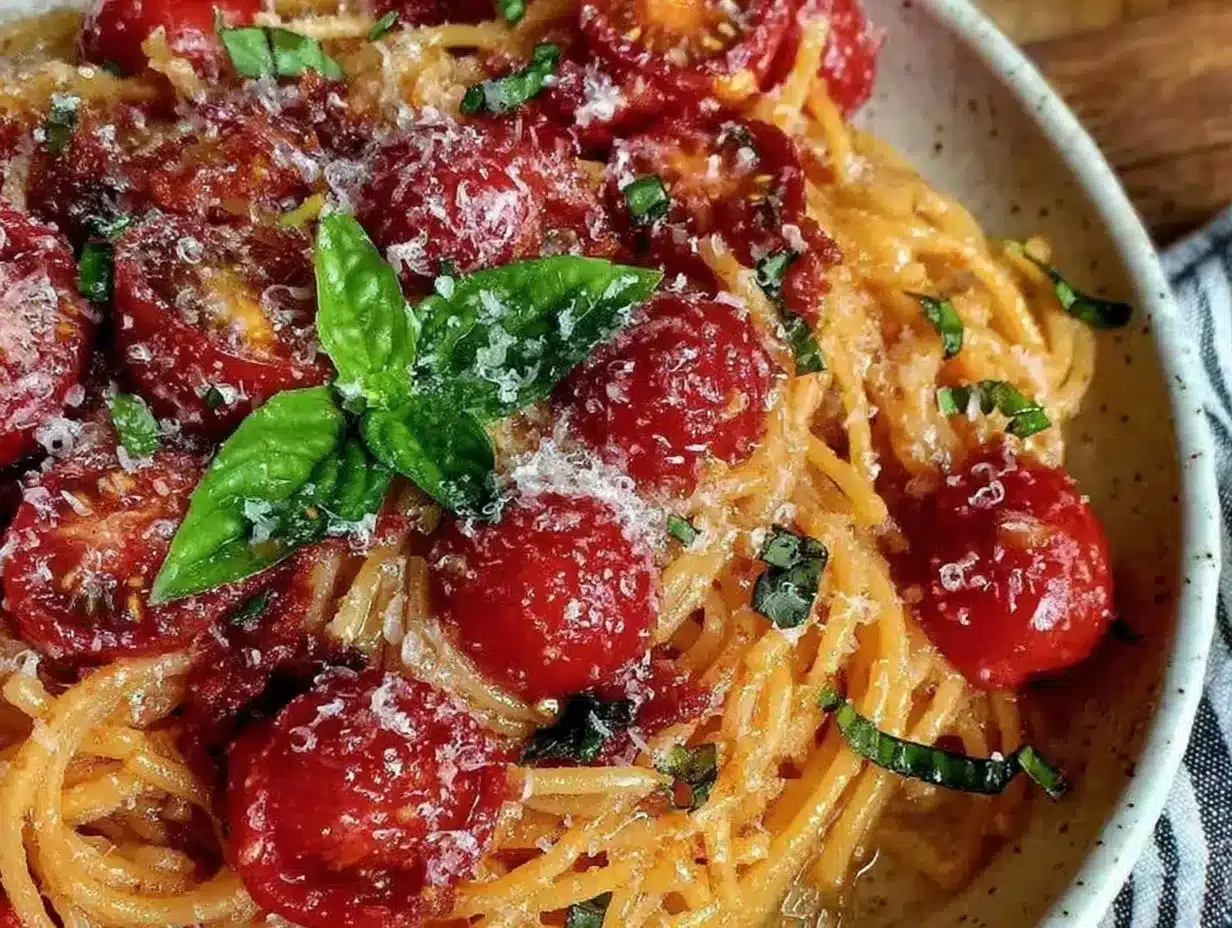
- Mixing bowl: A medium-sized bowl for combining ingredients.
- Rolling pin: Essential for rolling out the dough evenly; a pasta machine is optional but handy.
- Pasta cutter or sharp knife: To shape the noodles.
- Large pot: For boiling water to cook the pasta.
- Colander: To drain the cooked pasta.
If you don’t have a rolling pin, a clean wine bottle can do the trick in a pinch. For budget-friendly pasta cutters, I like using a pizza wheel or even kitchen scissors for shaping ribbons. Maintaining your pasta tools is simple—just hand wash and dry immediately to avoid rust, especially if you’re using a metal cutter.
Preparation Method
- Mix dry ingredients: In a large bowl, whisk together 2 cups (240g) gluten-free all-purpose flour, ½ cup (60g) tapioca starch, 1 tsp xanthan gum, and ½ tsp salt. This blend provides the perfect balance of structure and stretch. (5 minutes)
- Combine wet ingredients: In a smaller bowl, beat 2 large eggs and 1 tbsp olive oil until smooth. If using a flax egg, prepare it beforehand and let it thicken. (3 minutes)
- Create the dough: Form a well in the center of the dry ingredients and pour in the egg mixture. Stir gently with a fork, gradually incorporating the flour from the edges. Add warm water 1 tablespoon at a time if the dough feels too dry. The dough should be slightly sticky but hold together. (7 minutes)
- Knead the dough: Lightly flour your work surface with gluten-free flour. Knead the dough for about 5 minutes until smooth and elastic. If it’s too sticky, sprinkle a bit more flour but avoid adding too much or the pasta will become dry. (5 minutes)
- Rest the dough: Wrap the dough in plastic wrap and let it rest at room temperature for 20-30 minutes. This step hydrates the flours and makes rolling easier.
- Roll out the dough: Divide the dough into two portions. On a floured surface, roll each portion into a thin sheet about 1/8 inch (3 mm) thick. If you have a pasta machine, run the dough through the rollers starting at the thickest setting and gradually decrease thickness. (10 minutes)
- Cut the pasta: Using a knife or pasta cutter, slice the dough into your desired shape—fettuccine, tagliatelle, or even small squares for ravioli. Toss lightly with flour to prevent sticking. (5 minutes)
- Cook the pasta: Bring a large pot of salted water to a rolling boil. Add the pasta and cook for 2-4 minutes or until tender but firm to the bite. Fresh gluten-free pasta cooks quickly, so watch closely. Drain and serve immediately with your favorite sauce.
Pro tip: If the dough feels crumbly, try adding an extra tablespoon of warm water during mixing. If it’s sticky, more flour in small increments while kneading helps. Don’t rush the resting step—it’s key for tenderness!
Cooking Tips & Techniques
One thing I learned fast: gluten-free pasta needs a gentle touch. Overworking the dough can make it tough, so knead just until combined. Also, rinsing cooked pasta isn’t recommended because it washes away the starch that helps sauce cling.
Common mistake: boiling the pasta in water that’s not salty enough. You want your pasta to taste seasoned through, so don’t skip the salt. I usually add about 1 tablespoon per 4 quarts (4 liters) of water. Another tip is to avoid overcrowding the pot; cook in batches if needed to keep noodles from sticking.
When rolling, keep the dough lightly floured but not dusted—it should feel soft and pliable, not dry or cracked. I like to roll the dough thinner than I think I should because gluten-free pasta tends to feel a little denser.
For multitasking, start boiling your water while resting the dough. It saves time and keeps the process smooth. Also, don’t let the pasta sit too long after cutting—it can dry out and crack.
Variations & Adaptations
- Herbed Pasta: Add 1 tbsp dried Italian herbs or finely chopped fresh basil to the dry mix for an aromatic twist.
- Spinach Pasta: Puree ½ cup cooked spinach and mix it into the wet ingredients for a vibrant green pasta packed with nutrients.
- Grain-Free Option: Use almond flour instead of all-purpose flour and add an extra egg for better binding. The texture will be slightly more delicate but still tender.
For cooking methods, you can try pan-frying fresh pasta in butter after boiling for a crispy edge—trust me, it’s a game-changer. If you want to freeze the pasta, lay it flat on a baking sheet, freeze until firm, then transfer to a ziplock bag. Cook from frozen by adding an extra minute to the boiling time.
Personally, I once swapped olive oil for browned butter in the dough, and the subtle nutty flavor was surprisingly delicious. Feel free to experiment with oils and herbs to find your favorite combo.
Serving & Storage Suggestions
Serve this gluten-free pasta warm, right after cooking, tossed with your favorite sauce—creamy Alfredo, tangy marinara, or a simple garlic and olive oil dressing all work beautifully. Garnish with fresh parsley or grated Parmesan for a finishing touch.
Leftover pasta can be stored in an airtight container in the refrigerator for up to 3 days. When reheating, gently warm it in a skillet with a bit of olive oil or butter to restore tenderness and prevent sticking. Avoid microwaving as it can dry out the noodles.
This pasta also freezes well before cooking. Just portion and freeze flat on a tray, then store in freezer bags. When you’re ready, boil straight from frozen, adding an extra minute or two to the cook time. The flavors tend to deepen slightly after resting, making leftovers just as satisfying.
Pair your pasta with a light salad or roasted vegetables for a complete meal. A chilled glass of crisp white wine or sparkling water with lemon complements the tender noodles perfectly.
Nutritional Information & Benefits
This gluten-free pasta recipe is relatively light, with approximately 200 calories per serving (about 1 cup cooked). It’s low in fat but provides a good source of protein from the eggs. The tapioca starch adds digestible carbs that fuel your energy.
Because it’s made from gluten-free flours, it’s suitable for people with celiac disease or gluten intolerance. The absence of preservatives or additives means it’s a wholesome choice you can feel good about. If you include spinach or herbs, you’re adding vitamins and antioxidants for an extra health boost.
Keep in mind, if you’re watching carbs, swapping some flour for almond or coconut flour lowers the carb count while adding healthy fats.
Conclusion
This perfect gluten-free pasta recipe is a game-changer if you’ve been frustrated with brittle, gummy, or flavorless noodles. It’s approachable, uses simple ingredients, and truly stays tender every time you make it. I love how it lets me enjoy pasta nights without compromise or stress.
Feel free to make it your own—try different herbs, flours, or cooking styles. Let your kitchen experiments lead you to your perfect pasta moment. Honestly, once you try this, you might find yourself making fresh gluten-free pasta more often than you thought.
Don’t forget to leave a comment sharing your results or any fun twists you tried. I’m excited to hear how this recipe fits into your kitchen stories. Happy cooking!
FAQs
What’s the best flour blend for gluten-free pasta?
A blend of gluten-free all-purpose flour with tapioca starch works wonderfully, providing the right texture and stretch. Avoid using only rice flour or corn flour as they can make the pasta brittle.
Can I make this pasta dairy-free?
Yes! The recipe is naturally dairy-free. Just skip cheese toppings or use dairy-free alternatives when serving.
How do I know when gluten-free pasta is cooked?
Cook fresh gluten-free pasta for 2-4 minutes until it’s tender but still has a slight bite (“al dente”). Keep a close eye as it cooks faster than traditional pasta.
Can I freeze the pasta dough or cooked pasta?
You can freeze both. Freeze rolled or cut dough flat, then transfer to bags. Cook from frozen by adding a minute or two to boiling time. Cooked pasta freezes okay but might lose some texture on reheating.
What sauces pair best with this tender gluten-free pasta?
Light sauces like garlic and olive oil, fresh tomato basil, or creamy Alfredo complement the tender texture without overpowering it. Avoid heavy, chunky sauces that might overwhelm the noodles.
For a similar comforting dish with a twist, you might enjoy my crispy garlic chicken recipe, which pairs beautifully with tender pasta for a complete meal. Also, if you’re interested in easy weeknight dinners, my one-pot veggie stir fry is a quick, healthy option that’s a family favorite.
Pin This Recipe!
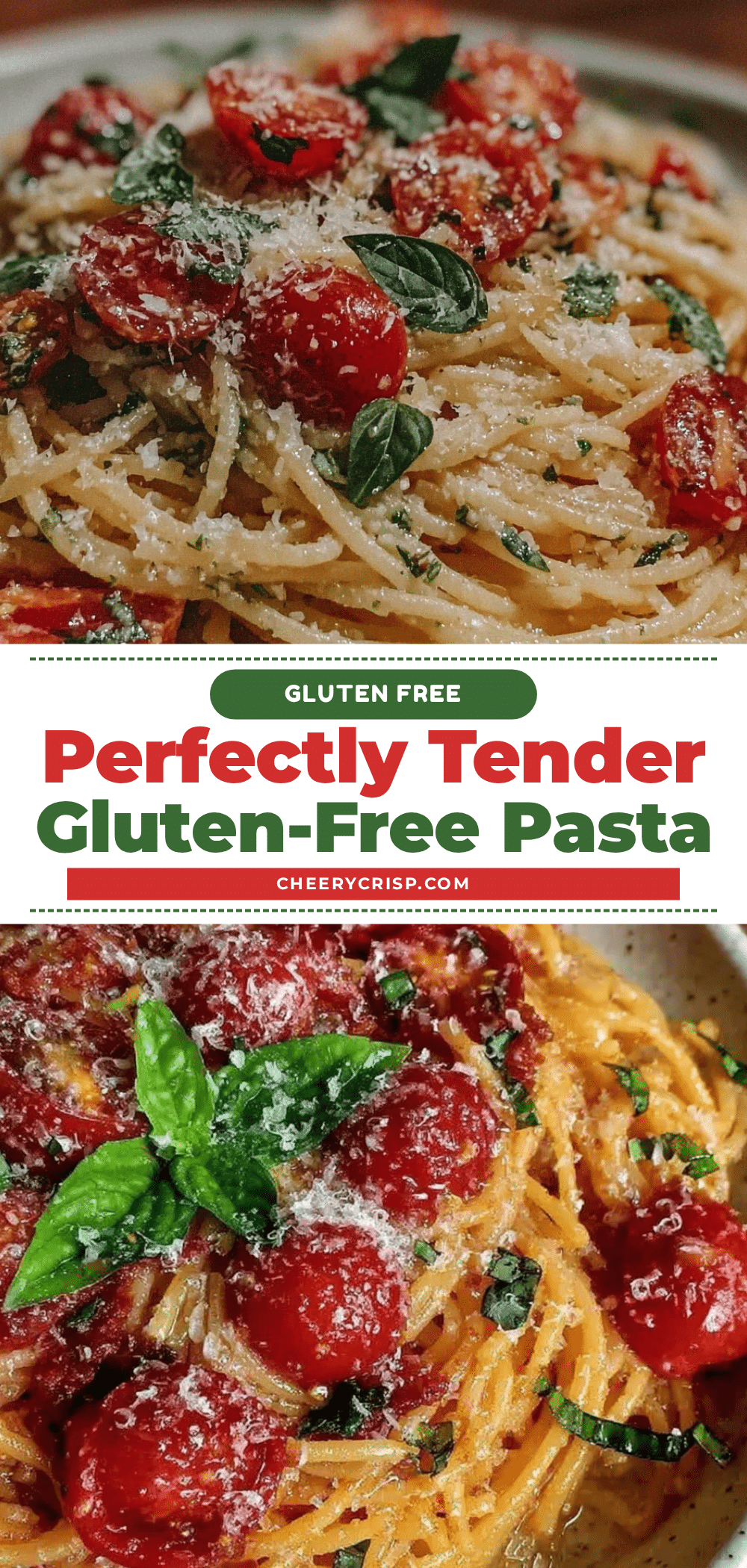
Perfect Gluten-Free Pasta Recipe
A simple and reliable gluten-free pasta recipe that yields tender, flexible noodles every time, perfect for any occasion and easy to make with pantry staples.
- Prep Time: 20 minutes
- Cook Time: 4 minutes
- Total Time: 24 minutes
- Yield: 4 servings 1x
- Category: Main Course
- Cuisine: Italian
Ingredients
- 2 cups (240g) gluten-free all-purpose flour (e.g., Bob’s Red Mill 1-to-1 baking flour)
- ½ cup (60g) tapioca starch
- 1 tsp xanthan gum
- 2 large eggs (room temperature)
- 1 tbsp olive oil
- 2–3 tbsp warm water
- ½ tsp salt
- Optional: flaxseed egg (1 tbsp flaxseed meal + 3 tbsp water, set 5 minutes) for dairy-free version
Instructions
- Mix dry ingredients: In a large bowl, whisk together gluten-free all-purpose flour, tapioca starch, xanthan gum, and salt. (5 minutes)
- Combine wet ingredients: In a smaller bowl, beat eggs and olive oil until smooth. If using flax egg, prepare it beforehand and let it thicken. (3 minutes)
- Create the dough: Form a well in the center of the dry ingredients and pour in the egg mixture. Stir gently with a fork, gradually incorporating the flour from the edges. Add warm water 1 tablespoon at a time if the dough feels too dry. The dough should be slightly sticky but hold together. (7 minutes)
- Knead the dough: Lightly flour your work surface with gluten-free flour. Knead the dough for about 5 minutes until smooth and elastic. If it’s too sticky, sprinkle a bit more flour but avoid adding too much or the pasta will become dry. (5 minutes)
- Rest the dough: Wrap the dough in plastic wrap and let it rest at room temperature for 20-30 minutes.
- Roll out the dough: Divide the dough into two portions. On a floured surface, roll each portion into a thin sheet about 1/8 inch (3 mm) thick. If you have a pasta machine, run the dough through the rollers starting at the thickest setting and gradually decrease thickness. (10 minutes)
- Cut the pasta: Using a knife or pasta cutter, slice the dough into your desired shape—fettuccine, tagliatelle, or small squares for ravioli. Toss lightly with flour to prevent sticking. (5 minutes)
- Cook the pasta: Bring a large pot of salted water to a rolling boil. Add the pasta and cook for 2-4 minutes or until tender but firm to the bite. Drain and serve immediately with your favorite sauce.
Notes
If dough is crumbly, add an extra tablespoon of warm water during mixing. If sticky, add more flour in small increments while kneading. Do not skip the resting step for tenderness. Avoid rinsing cooked pasta to preserve starch for sauce adherence. Cook pasta in batches to avoid sticking. Fresh gluten-free pasta cooks quickly; watch closely.
Nutrition
- Serving Size: About 1 cup cooked p
- Calories: 200
- Sugar: 1
- Sodium: 150
- Fat: 5
- Saturated Fat: 1
- Carbohydrates: 32
- Fiber: 2
- Protein: 6
Keywords: gluten-free pasta, gluten-free noodles, homemade pasta, gluten-free cooking, tender pasta, easy pasta recipe, gluten-free dinner