Love this? Save it for later!
Share the inspiration with your friends
Introduction
“You won’t believe what just happened,” my coworker Jenna gasped last Thursday, waving a crumpled note from her son’s school nurse. Turns out, eight kids in his class had allergic reactions that week, and suddenly the pressure was on her to pack safer lunches without sacrificing taste or speed. I mean, juggling work, errands, and making allergy-safe meals? Talk about a juggling act.
I totally get it—I’ve been there when the clock’s ticking, the pantry feels like a minefield, and you’re trying to keep your lunch box game strong without breaking into a sweat. The truth is, allergy-safe doesn’t have to mean boring or complicated. I remember the day I accidentally grabbed the wrong bread for my niece’s lunch and ended up creating a new favorite that was nut-free, dairy-free, and surprisingly delicious.
Maybe you’ve been there too—staring down the lunchbox abyss, wondering how to keep meals safe, exciting, and quick. That’s why I’m sharing my top 8 easy allergy-safe lunch box ideas that fit perfectly into busy days. These are the recipes I turn to when time is short but I want to pack something nourishing and allergy-conscious. Let me tell you, these ideas have saved more than one frazzled morning, and I hope they’ll do the same for you.
Why You’ll Love This Recipe
Trust me, these easy allergy-safe lunch box ideas aren’t just about avoiding allergens—they’re about making lunch something to look forward to, even on the craziest days. I’ve tested and tweaked each recipe to make sure it’s quick, tasty, and safe for the most common food allergies.
- Quick & Easy: Each lunch idea comes together in under 20 minutes, perfect for those mornings when you’re rushing out the door.
- Simple Ingredients: No need for specialty stores—these recipes use pantry staples and fresh produce you can find anywhere.
- Perfect for Busy Days: Whether it’s school, work, or after-school activities, these lunches keep energy up without fuss.
- Crowd-Pleaser: They’ve passed the picky eater test multiple times—kids and adults alike ask for seconds.
- Unbelievably Delicious: The flavors are balanced, the textures satisfying, and the variety keeps lunches exciting.
What sets these lunch ideas apart? It’s the attention to detail—like swapping out traditional sandwich breads for allergy-safe wraps or using homemade dressings that skip common allergens but pack a punch. Honestly, these recipes make allergy-safe lunches feel like a treat, not a chore.
So whether you’re new to allergy-safe cooking or just looking for fresh ideas, these lunch box recipes have got your back. They’re designed to keep your days running smoothly and lunches stress-free.
What Ingredients You Will Need
These allergy-safe lunch box ideas rely on straightforward, wholesome ingredients that keep things simple and safe. Here’s a breakdown by recipe type to help you shop smart and prep faster.
- For Sandwiches & Wraps:
- Allergy-safe bread or wraps (gluten-free options like Udi’s or Rudi’s work great)
- Deli-style turkey or chicken slices (look for nitrate-free if possible)
- Hummus (store-bought or homemade, great for creamy texture)
- Sliced cucumber, shredded lettuce, and grated carrots (adds crunch and freshness)
- Avocado (mashed as a spread)
- For Salads & Bowls:
- Quinoa or brown rice (cooked and cooled)
- Chickpeas or black beans (canned, rinsed)
- Cherry tomatoes, diced bell peppers
- Olive oil and lemon juice (simple dressing)
- Fresh herbs like parsley or cilantro (optional)
- For Snacks & Sides:
- Fresh fruit slices (apples, pears, berries)
- Vegetable sticks (carrots, celery, snap peas)
- Seed-based crackers or rice cakes (nut-free)
- Sunflower seed butter (a great peanut butter substitute)
- Miscellaneous Staples:
- Olive oil or avocado oil (for cooking and dressings)
- Sea salt and pepper (basic seasoning)
- Maple syrup or honey (for light natural sweetness)
Feel free to swap in whatever fresh produce is in season—like swapping bell peppers for zucchini ribbons in summer. For dairy-free options, plant-based yogurts or cheeses can work well too. I like to keep a stash of allergy-safe basics from trusted brands like Enjoy Life and MadeGood to round out snacks and sides.
Equipment Needed
One of the best things about these lunch box ideas is that you don’t need fancy equipment to get started. Here’s what I regularly use:
- A sharp chef’s knife for quick chopping (I swear by my 8-inch Santoku)
- Cutting board—preferably one for fruits/veggies and another for proteins to avoid cross-contamination
- Mixing bowls of various sizes (glass or BPA-free plastic)
- A small saucepan or rice cooker for grains
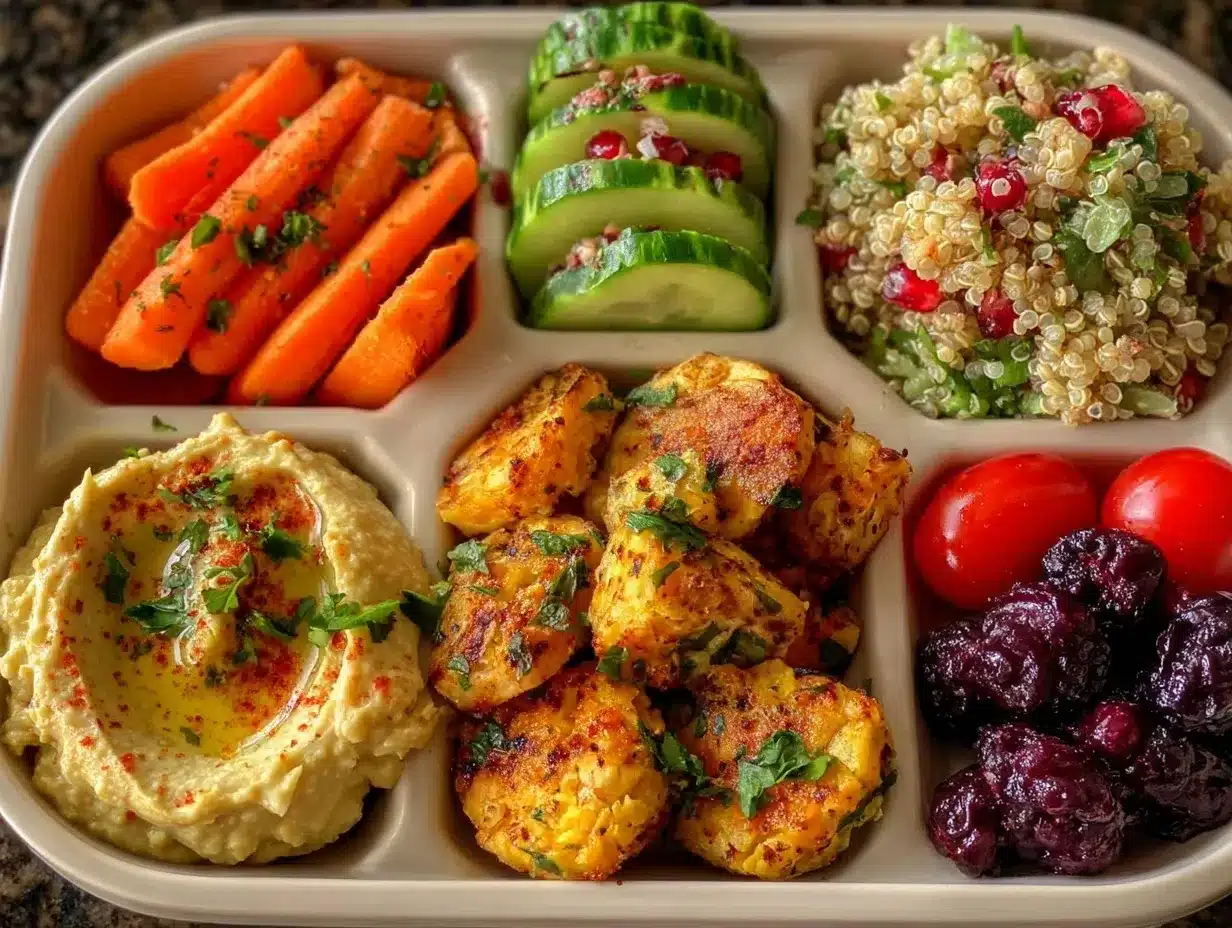
- Bento-style lunch containers with compartments (helps keep foods separate and fresh)
- Reusable silicone snack bags or beeswax wraps (eco-friendly and easy to clean)
If you don’t have a rice cooker, a simple pot works just fine—just watch the timing closely. For packing salads or grain bowls, a small jar or container with a tight lid is perfect for dressings. Honestly, keeping tools minimal but versatile makes lunch prep less daunting, especially on busy mornings.
Preparation Method
- Cook Your Grains (15 minutes)
Measure 1 cup (185g) of quinoa or brown rice, rinse well, and cook according to package directions. Quinoa usually takes about 15 minutes; brown rice may take 40 minutes, so plan ahead or use pre-cooked grains. - Prep Fresh Veggies (10 minutes)
Wash and chop your chosen vegetables: slice cucumbers, shred carrots, halve cherry tomatoes, and dice bell peppers. Keep textures varied to make lunch interesting. - Assemble Sandwiches or Wraps (5-7 minutes)
Lay out allergy-safe bread or wraps. Spread a thin layer of hummus or mashed avocado for creaminess. Layer deli turkey or chicken slices, then add fresh veggies. Roll or stack, then slice diagonally for a fun presentation. - Mix Salads or Grain Bowls (5 minutes)
In a bowl, combine cooked grains, beans or chickpeas, diced veggies, and herbs. Drizzle 1 tablespoon (15 ml) olive oil and 1 teaspoon (5 ml) lemon juice, then season with salt and pepper. Toss gently to combine. - Pack Snacks and Sides (3-5 minutes)
Fill small containers or compartments with fresh fruit slices, vegetable sticks, and seed-based crackers. Add a small container of sunflower seed butter for dipping. - Store and Chill
Place all items in your lunch container, seal tightly, and refrigerate if not eating immediately. For best freshness, pack cold items with an ice pack, especially during warm days.
Pro tip: When making wraps, avoid overfilling to keep them neat and easy to eat. Also, prepping veggies the night before can save precious minutes in the morning. I once forgot to rinse the quinoa—turned out fine, but rinsing really cuts bitterness and improves texture.
Cooking Tips & Techniques
Let me share a few tricks that’ve made these allergy-safe lunches my go-to:
- Keep It Simple: Don’t overcomplicate with too many ingredients. Simple flavors shine and reduce risk of allergens sneaking in.
- Prep in Batches: Cooking grains and chopping veggies ahead saves time and stress on busy mornings.
- Mind Cross-Contamination: Use separate cutting boards and utensils if preparing foods for multiple allergy needs.
- Texture Matters: Mixing crunchy and creamy elements (like crisp veggies with hummus) keeps lunches fun to eat.
- Test Flavors: A sprinkle of lemon juice or a dash of salt can transform a bland salad into something special.
One time, I tried a new seed butter that was too runny and it made the sandwich soggy—lesson learned: always check texture before packing. Also, setting a timer while cooking grains prevents overcooking and mushiness, which kids hate. These little details make all the difference when packing allergy-safe lunches that actually get eaten.
Variations & Adaptations
These lunch box ideas are super flexible to fit different needs and preferences.
- Gluten-Free: Swap regular bread and wraps for certified gluten-free versions. Brown rice or quinoa bowls are naturally gluten-free.
- Dairy-Free: Use hummus or mashed avocado instead of cheese spreads. Plant-based yogurts make great snack additions.
- Vegetarian/Vegan: Skip deli meats and add chickpeas, black beans, or roasted veggies for protein. Sunflower seed butter is a fantastic nut-free spread.
- Seasonal Swaps: In fall, add roasted sweet potatoes or butternut squash to bowls. Summer calls for fresh cucumbers and tomatoes.
- Flavor Boosts: Toss in a sprinkle of nutritional yeast or a drizzle of homemade tahini dressing for extra zing.
I once swapped turkey for grilled tofu strips in a wrap and it was surprisingly satisfying—my niece loved it so much she asked for it again the next week! Feel free to tweak based on what you have and what tastes good to your crew.
Serving & Storage Suggestions
These allergy-safe lunches are best served chilled or at room temperature. If you’re packing for school or work, an ice pack is your best friend to keep everything fresh.
For presentation, colorful compartments with fresh veggies and fruit make lunchboxes inviting and fun. Pair grain bowls with a small container of dressing on the side to avoid sogginess.
Leftovers can be stored in airtight containers in the fridge for up to 2 days. Reheat grain bowls gently in a microwave-safe dish, stirring halfway for even warmth. Sandwiches and wraps are best eaten fresh but can be wrapped tightly in parchment paper and refrigerated overnight.
Flavors often deepen if salads rest a bit, so making the dressing separately and adding it just before eating keeps things crisp. Trust me, a little prep can turn a rushed lunch into a lovely midday meal.
Nutritional Information & Benefits
These lunch box ideas pack a balanced punch of protein, fiber, and healthy fats without common allergens. For example, quinoa provides complete protein and essential amino acids, while fresh veggies offer vitamins and antioxidants.
By avoiding nuts, dairy, eggs, soy, wheat, fish, and shellfish, these recipes cater to the Top 8 food allergies, making them safe for many kids and adults alike.
Plus, using whole foods and minimal processing supports sustained energy and digestive health. From my experience as a nutrition enthusiast, meals like these help keep mood steady and focus sharp through busy afternoons.
Conclusion
If you’ve ever felt overwhelmed packing allergy-safe lunches, these eight ideas are here to lighten your load. They’re fast, flavorful, and friendly to the most common allergies, making lunchboxes less stressful and more enjoyable.
Remember, there’s room to customize these recipes to fit your family’s tastes and needs. Whether you stick with a classic turkey wrap or mix up a colorful grain bowl, you’re giving a nourishing, thoughtful meal that shows you care.
Honestly, these lunches have been a lifesaver on many rushed mornings, and I hope they bring you the same ease and peace of mind. If you try any of the recipes, drop a comment and share how it went—I love hearing your twists and stories!
Here’s to stress-free, allergy-safe lunches that keep your busy days running smoothly.
FAQs
What are the Top 8 food allergens to avoid in allergy-safe lunches?
The Top 8 allergens are milk, eggs, peanuts, tree nuts, fish, shellfish, soy, and wheat. These lunch ideas avoid all of them to keep meals safe for most allergy sufferers.
Can these lunch box ideas be made ahead of time?
Yes! Grain bowls and chopped veggies can be prepped the night before. Sandwiches and wraps are best assembled fresh to avoid sogginess.
What are good substitutes for nut butters in allergy-safe lunches?
Sunflower seed butter and soy-free seed butters are excellent nut-free alternatives that provide creamy texture and protein.
How do I keep allergy-safe lunches fresh during the day?
Use insulated lunch bags with ice packs and airtight containers to keep food chilled and safe until mealtime.
Can these recipes accommodate vegan or vegetarian diets?
Absolutely! Just swap out deli meats for beans, chickpeas, or grilled tofu, and use plant-based spreads and yogurts to keep lunches vegan-friendly.
For more ideas on quick and wholesome meals, my crispy garlic chicken recipe is a favorite for busy weeknights, and the easy vegan buddha bowl pairs well with these allergy-safe options for a nutrient-packed lunch rotation.
Pin This Recipe!
Easy Allergy-Safe Top 8 Lunch Box Ideas for Busy Days to Try Now

Quick, tasty, and allergy-safe lunch box ideas designed for busy days, avoiding the top 8 allergens while keeping meals exciting and nourishing.
- Prep Time: 15 minutes
- Cook Time: 15 minutes
- Total Time: 30 minutes
- Yield: 4 servings
- Category: Lunch
- Cuisine: American
Ingredients
- Allergy-safe bread or wraps (gluten-free options like Udi’s or Rudi’s)
- Deli-style turkey or chicken slices (nitrate-free if possible)
- Hummus (store-bought or homemade)
- Sliced cucumber
- Shredded lettuce
- Grated carrots
- Avocado (mashed as a spread)
- Quinoa or brown rice (cooked and cooled)
- Chickpeas or black beans (canned, rinsed)
- Cherry tomatoes
- Diced bell peppers
- Olive oil
- Lemon juice
- Fresh herbs like parsley or cilantro (optional)
- Fresh fruit slices (apples, pears, berries)
- Vegetable sticks (carrots, celery, snap peas)
- Seed-based crackers or rice cakes (nut-free)
- Sunflower seed butter
- Olive oil or avocado oil
- Sea salt and pepper
- Maple syrup or honey
Instructions
- Cook 1 cup (185g) of quinoa or brown rice according to package directions; quinoa takes about 15 minutes, brown rice about 40 minutes.
- Wash and chop vegetables: slice cucumbers, shred carrots, halve cherry tomatoes, and dice bell peppers.
- Assemble sandwiches or wraps by spreading hummus or mashed avocado on allergy-safe bread or wraps, layering deli turkey or chicken slices, and adding fresh veggies; roll or stack and slice diagonally.
- Mix salads or grain bowls by combining cooked grains, beans or chickpeas, diced veggies, and herbs; drizzle with 1 tablespoon olive oil and 1 teaspoon lemon juice, season with salt and pepper, and toss gently.
- Pack snacks and sides by filling containers with fresh fruit slices, vegetable sticks, seed-based crackers, and a small container of sunflower seed butter for dipping.
- Store all items in lunch containers, seal tightly, and refrigerate if not eating immediately; use ice packs to keep items fresh.
Notes
Prep grains and chop veggies ahead of time to save morning minutes. Avoid overfilling wraps to keep them neat. Use separate cutting boards to prevent cross-contamination. Pack cold items with ice packs for freshness. Assemble sandwiches fresh to avoid sogginess. Rinse quinoa before cooking to reduce bitterness.
Nutrition
- Serving Size: One lunch box servin
- Calories: 35040
- Sugar: 6
- Sodium: 350
- Fat: 12
- Saturated Fat: 1.5
- Carbohydrates: 45
- Fiber: 7
- Protein: 15
Keywords: allergy-safe, lunch box ideas, nut-free, dairy-free, gluten-free, quick lunch, kid-friendly, healthy lunch