Love this? Save it for later!
Share the inspiration with your friends
“You know that moment when a simple smell just pulls you right back to a place you’ve never even been? That happened to me last summer at a tiny coastal market in Kochi, where the air was thick with the scent of spices and coconut. I was chatting with a street vendor selling fresh fish when he casually mentioned ‘Meen Moilee’—a creamy Kerala coconut fish curry that locals swear by. Honestly, I wasn’t expecting much, but as he ladled the curry into a bowl for me, the aroma was unlike anything I’d experienced. The gentle warmth of coconut milk mingled with fragrant curry leaves and a hint of green chili—it was both soothing and lively at once.
That day, I scribbled down his instructions on a crumpled napkin, juggling the sizzling heat of the Kerala sun and the chatter around me. Back home, I messed up a few times—forgot the mustard seeds once, and nearly overcooked the fish another time—but each attempt brought me closer to capturing that exact balance of creaminess and spice. Let me tell you, this creamy Kerala coconut fish curry recipe is not just about the flavors; it’s about the feeling it stirs up, like a gentle ocean breeze on a humid evening.
Maybe you’ve been there—trying to recreate a dish that’s more memory than recipe. Meen Moilee has stuck with me because it’s simple, homey, and perfect for those days when you want comfort that’s light, bright, and a little exotic. Let’s get into how you can make this Kerala classic in your own kitchen, no travel required.
Why You’ll Love This Recipe
- Quick & Easy: Ready in under 30 minutes, perfect for busy weeknights or when you want something special without the fuss.
- Simple Ingredients: Uses pantry staples like coconut milk and basic spices, so no surprise grocery runs needed.
- Perfect for Dinner Parties: Impress guests with a dish that’s both comforting and exotic without feeling intimidating.
- Crowd-Pleaser: Mild enough for kids but flavorful enough for spice lovers — a true family favorite.
- Unbelievably Delicious: The creamy texture paired with the subtle tang of turmeric and fresh curry leaves makes this curry stand out.
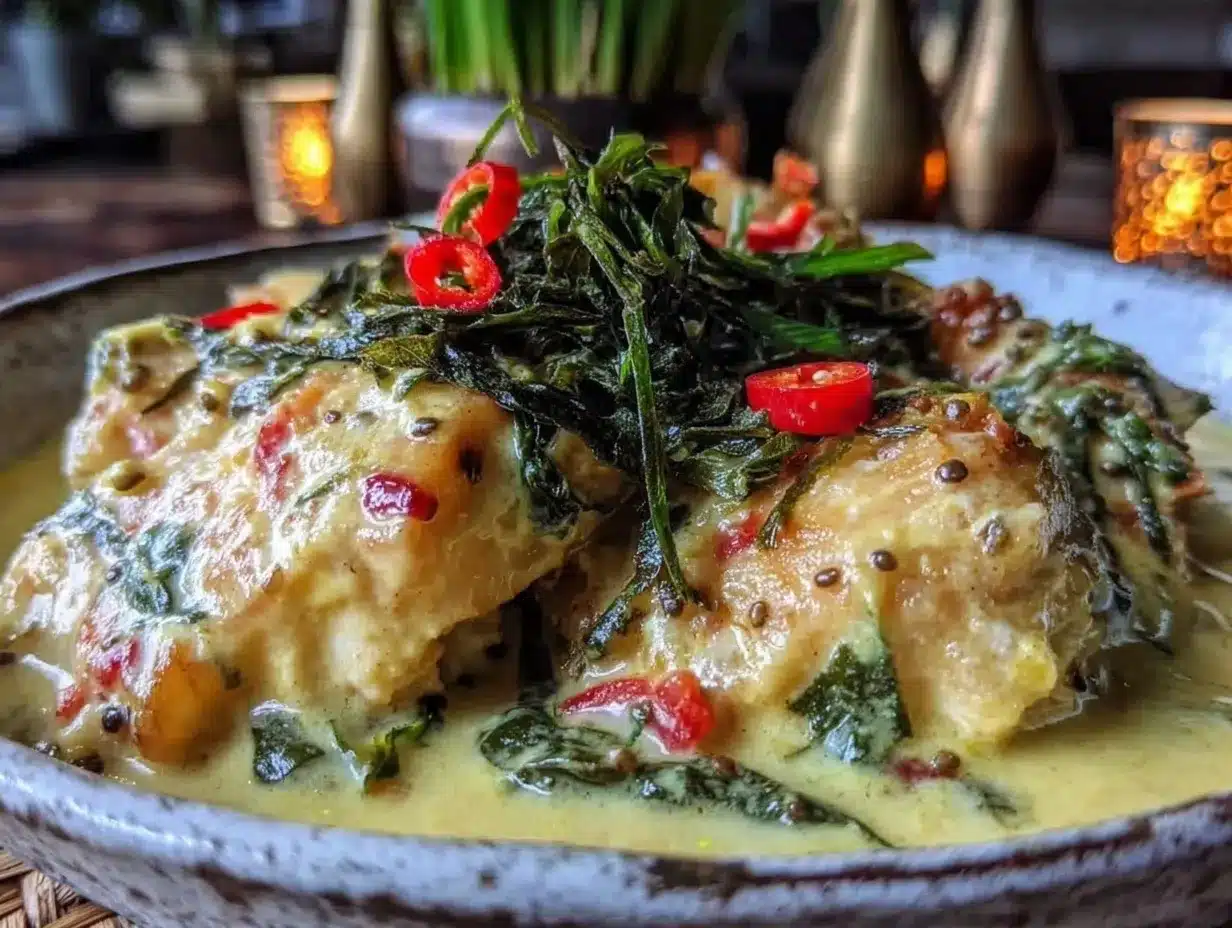
This isn’t just another fish curry. What sets this creamy Kerala coconut fish curry apart is the way the coconut milk gently cradles the fish in a silky sauce that’s both light and rich. The special touch? Toasting the coconut and tempering mustard seeds and curry leaves to layer in that authentic Kerala flavor. I’ve spent years tweaking the balance so the spices sing but never overpower the fish’s delicate flavor. Honestly, this recipe invites you to pause, savor, and maybe even close your eyes as you enjoy that first bite—just like I did in that bustling market.
What Ingredients You Will Need
This creamy Kerala coconut fish curry uses simple, wholesome ingredients to deliver bold flavor and satisfying texture without the fuss. Most are pantry staples you might already have, and for fresh items like curry leaves, you can usually find them at Asian or Indian grocery stores.
- Fish: 1 lb (450 g) firm white fish fillets like kingfish, seer fish, or cod, cut into chunks (fresh is best for authentic flavor)
- Coconut Milk: 1 ½ cups (360 ml) full-fat canned coconut milk (I recommend Chaokoh for creaminess)
- Onion: 1 medium yellow onion, thinly sliced (adds sweetness and body)
- Green Chilies: 2-3, slit lengthwise (adjust to your heat preference)
- Ginger: 1 tablespoon fresh ginger, finely chopped or grated (for that warm, zesty kick)
- Garlic: 3 cloves, minced (classic flavor base)
- Turmeric Powder: 1 teaspoon (gives beautiful golden color and earthiness)
- Black Mustard Seeds: 1 teaspoon (for tempering and subtle pungency)
- Curry Leaves: 10-12 fresh leaves (the star of Kerala cooking—adds aromatic depth)
- Green Cardamom Pods: 2 pods, slightly crushed (adds subtle floral notes)
- Salt: to taste (preferably sea salt)
- Lemon Juice: 1 tablespoon, freshly squeezed (to brighten the curry at the end)
- Vegetable Oil or Coconut Oil: 2 tablespoons (coconut oil for authentic flavor, but any neutral oil works)
Substitution tips: If you can’t find fresh curry leaves, dried can work in a pinch but won’t be as fragrant. For a dairy-free version, this curry is naturally suitable. For those looking for a lower-fat option, light coconut milk can be used but expect less creaminess. Seasonal variations? In summer, toss in some fresh tomatoes for a tangy twist.
Equipment Needed
- A heavy-bottomed skillet or frying pan – this helps prevent the coconut milk from curdling or burning.
- A sharp knife and cutting board for prepping fish and vegetables.
- A wooden spoon or spatula – ideal for gentle stirring without breaking the fish.
- Measuring spoons and cups for accurate spice and liquid measurements.
- Optional: A mortar and pestle if you want to crush the cardamom pods fresh for extra aroma.
If you don’t have a heavy skillet, a good-quality non-stick pan will do. I’ve tried this curry both on gas and electric stoves—just watch the heat closely to avoid scorching the coconut milk. Also, keeping a small bowl handy for temporarily holding the fish before adding it to the curry helped me stay organized when cooking.
Preparation Method
- Prep the fish: Rinse the fish chunks under cold water and pat dry with paper towels. Set aside. This prevents the curry from getting watery.
- Heat the oil: In your skillet, warm 2 tablespoons of coconut or vegetable oil over medium heat until shimmering (about 2 minutes).
- Temper the spices: Add 1 teaspoon mustard seeds; once they start to pop, add the curry leaves and crushed cardamom pods. Stir for 30 seconds until fragrant—this step is where the aroma really kicks in.
- Sauté aromatics: Add the sliced onions and cook for 5-7 minutes until soft and translucent, stirring occasionally so they don’t brown.
- Add ginger, garlic, and green chilies: Stir them in and cook for another 2 minutes until you can smell their fresh zing.
- Mix in turmeric powder: Sprinkle 1 teaspoon turmeric and stir well, coating the onions and aromatics evenly.
- Add coconut milk: Pour in 1 ½ cups of coconut milk slowly, stirring gently to combine. Bring to a gentle simmer—avoid boiling vigorously to keep the milk from splitting.
- Season the curry: Add salt to taste and lower the heat to medium-low.
- Cook the fish: Carefully add the fish chunks into the simmering curry, spooning some sauce over them. Cook uncovered for 8-10 minutes, turning the pieces gently once, until the fish is opaque and flakes easily.
- Finish with lemon juice: Turn off the heat and stir in 1 tablespoon freshly squeezed lemon juice to brighten the flavors right before serving.
- Final check: Taste and adjust salt or lemon if needed. The curry should be creamy, lightly spiced, with a fresh, tangy finish.
Tip: Keep stirring gently but steadily once the fish is in the pan to prevent it from breaking apart. If your curry looks too thick, add a splash of water or more coconut milk. If it’s too thin, simmer a little longer. I remember one time I got distracted by a phone call and the curry reduced a bit more than I wanted—it still tasted great, just more concentrated!
Cooking Tips & Techniques
Kerala coconut fish curry may look simple, but a few tricks make all the difference. For starters, always use fresh coconut milk or a good-quality canned version like Chaokoh. Lower-fat coconut milk tends to separate more easily, so full-fat is your friend for that silky smooth texture.
Tempering mustard seeds and curry leaves in hot oil unlocks their oils and flavor—don’t skip this step even if it feels minor. I’ve learned the hard way that adding curry leaves too late makes the dish less aromatic.
When cooking the fish, use medium-low heat and avoid stirring too vigorously. Fish is delicate, and you want those beautiful chunks intact. I like to gently spoon the curry over the fish rather than mixing aggressively.
Timing is key: add lemon juice only at the end to prevent the coconut milk from curdling. Also, avoid boiling the curry once the coconut milk is in; a gentle simmer keeps the sauce creamy.
Finally, fresh curry leaves can be frozen if you have extras—just pluck them into a sealed bag and pop them in the freezer. They retain flavor well and are handy for quick curries like this.
Variations & Adaptations
Want to customize this creamy Kerala coconut fish curry? Here are some ideas:
- Spicy Version: Add extra green chilies or a pinch of red chili powder for more heat.
- Vegetarian Adaptation: Substitute fish with vegetables like mushrooms, eggplant, or even paneer cubes for a similar creamy curry experience.
- Seasonal Twist: In the fall, try adding diced pumpkin or sweet potatoes for sweetness and texture contrast.
- Cooking Method: For a smoky flavor, lightly char the mustard seeds and curry leaves before tempering, or finish the curry with a quick broil for a caramelized top.
- Allergen-Friendly: This recipe is naturally gluten-free and dairy-free. For nut-free versions, just ensure your coconut milk brand is processed in a nut-free facility.
One time, I swapped fish for firm tofu during a busy week and tossed in extra curry leaves and lemon juice. It was a happy accident—creamy, tangy, and super satisfying even without seafood.
Serving & Storage Suggestions
Serve this creamy Kerala coconut fish curry hot, ideally with steamed basmati rice or fluffy appams (rice pancakes) for an authentic Kerala meal. The mild flavors pair beautifully with lightly sautéed greens or a crisp cucumber salad.
Leftovers store well in an airtight container in the refrigerator for up to 2 days. The flavors deepen overnight, but I find the texture of the fish softens a bit, so it’s best enjoyed fresh.
To reheat, warm gently on the stovetop over low heat, stirring occasionally. Avoid microwaving at high heat, which can cause the coconut milk to separate.
This curry also freezes well — just cool completely before transferring to a freezer-safe container. Thaw overnight in the fridge and reheat slowly. The sauce might thicken after freezing; stir in a splash of coconut milk or water to loosen it.
Nutritional Information & Benefits
An average serving of creamy Kerala coconut fish curry contains approximately 300 calories, with a good balance of protein from the fish and healthy fats from the coconut milk. It’s a nutrient-rich dish that provides omega-3 fatty acids, essential for heart and brain health, especially when made with fatty fish like kingfish.
Curry leaves offer antioxidants and support digestion, while turmeric contributes anti-inflammatory benefits. This recipe is naturally gluten-free and dairy-free, making it suitable for many dietary needs.
From my perspective, it’s a wonderful way to enjoy a flavorful meal that feels indulgent but uses wholesome ingredients. The balance of spices and healthy fats makes it a satisfying yet nourishing comfort food.
Conclusion
This creamy Kerala coconut fish curry recipe is a gem that’s simple, soulful, and sure to become a regular in your kitchen. Its delicate balance of creaminess and spice makes it approachable for cooks of all levels, and it’s flexible enough to customize based on what you have on hand or your flavor preferences.
Personally, I love how this dish brings a little piece of Kerala into my home—every time I make it, it reminds me of that bustling market and the warmth of sharing food with strangers. I hope you enjoy making and sharing it as much as I do.
Give it a try, tweak it your way, and don’t forget to let me know how your Meen Moilee turns out in the comments below. Your stories and variations are what make cooking so much fun. Happy cooking!
Frequently Asked Questions
What type of fish works best for Meen Moilee?
Firm white fish like kingfish, seer fish, cod, or snapper work best as they hold together well in the curry without falling apart.
Can I use dried curry leaves instead of fresh?
While dried curry leaves can be used in a pinch, fresh curry leaves offer the best aroma and flavor, which is key to this recipe.
How do I prevent the coconut milk from curdling?
Cook the curry on low to medium heat once coconut milk is added, avoid boiling vigorously, and add lemon juice only at the end.
Is this curry spicy?
This curry is mildly spiced but can be adjusted by adding more green chilies or red chili powder if you prefer more heat.
Can this recipe be made vegan?
Yes! Substitute the fish with firm tofu or vegetables like mushrooms or eggplant for a delicious vegan version.
PrintCreamy Kerala Coconut Fish Curry (Meen Moilee)

A simple, soulful Kerala classic featuring firm white fish simmered in a silky coconut milk sauce tempered with mustard seeds, curry leaves, and aromatic spices. Perfect for a comforting yet exotic meal.
- Prep Time: 10 minutes
- Cook Time: 20 minutes
- Total Time: 30 minutes
- Yield: 4 servings 1x
- Category: Main Course
- Cuisine: Kerala, Indian
Ingredients
- 1 lb (450 g) firm white fish fillets (kingfish, seer fish, cod), cut into chunks
- 1 ½ cups (360 ml) full-fat canned coconut milk
- 1 medium yellow onion, thinly sliced
- 2–3 green chilies, slit lengthwise
- 1 tablespoon fresh ginger, finely chopped or grated
- 3 cloves garlic, minced
- 1 teaspoon turmeric powder
- 1 teaspoon black mustard seeds
- 10–12 fresh curry leaves
- 2 green cardamom pods, slightly crushed
- Salt to taste (preferably sea salt)
- 1 tablespoon freshly squeezed lemon juice
- 2 tablespoons vegetable oil or coconut oil
Instructions
- Rinse the fish chunks under cold water and pat dry with paper towels. Set aside.
- Heat 2 tablespoons of coconut or vegetable oil in a heavy-bottomed skillet over medium heat until shimmering (about 2 minutes).
- Add 1 teaspoon mustard seeds; once they start to pop, add curry leaves and crushed cardamom pods. Stir for 30 seconds until fragrant.
- Add sliced onions and cook for 5-7 minutes until soft and translucent, stirring occasionally.
- Stir in ginger, garlic, and green chilies; cook for another 2 minutes until aromatic.
- Sprinkle turmeric powder and stir well to coat the onions and aromatics evenly.
- Pour in 1 ½ cups coconut milk slowly, stirring gently to combine. Bring to a gentle simmer, avoiding vigorous boiling.
- Add salt to taste and reduce heat to medium-low.
- Carefully add fish chunks into the simmering curry, spooning sauce over them. Cook uncovered for 8-10 minutes, turning gently once, until fish is opaque and flakes easily.
- Turn off heat and stir in 1 tablespoon freshly squeezed lemon juice.
- Taste and adjust salt or lemon juice if needed before serving.
Notes
Use full-fat coconut milk for best creaminess; avoid boiling vigorously to prevent curdling. Add lemon juice only at the end. Stir gently when cooking fish to keep chunks intact. Fresh curry leaves are preferred but dried can be used if necessary. Leftovers keep well refrigerated for 2 days and freeze well; reheat gently.
Nutrition
- Serving Size: 1 serving (approxima
- Calories: 300
- Sugar: 2
- Sodium: 400
- Fat: 22
- Saturated Fat: 18
- Carbohydrates: 6
- Fiber: 1
- Protein: 20
Keywords: Kerala fish curry, Meen Moilee, coconut fish curry, Indian fish curry, creamy fish curry, Kerala cuisine, easy fish curry, coconut milk curry