Love this? Save it for later!
Share the inspiration with your friends
Introduction
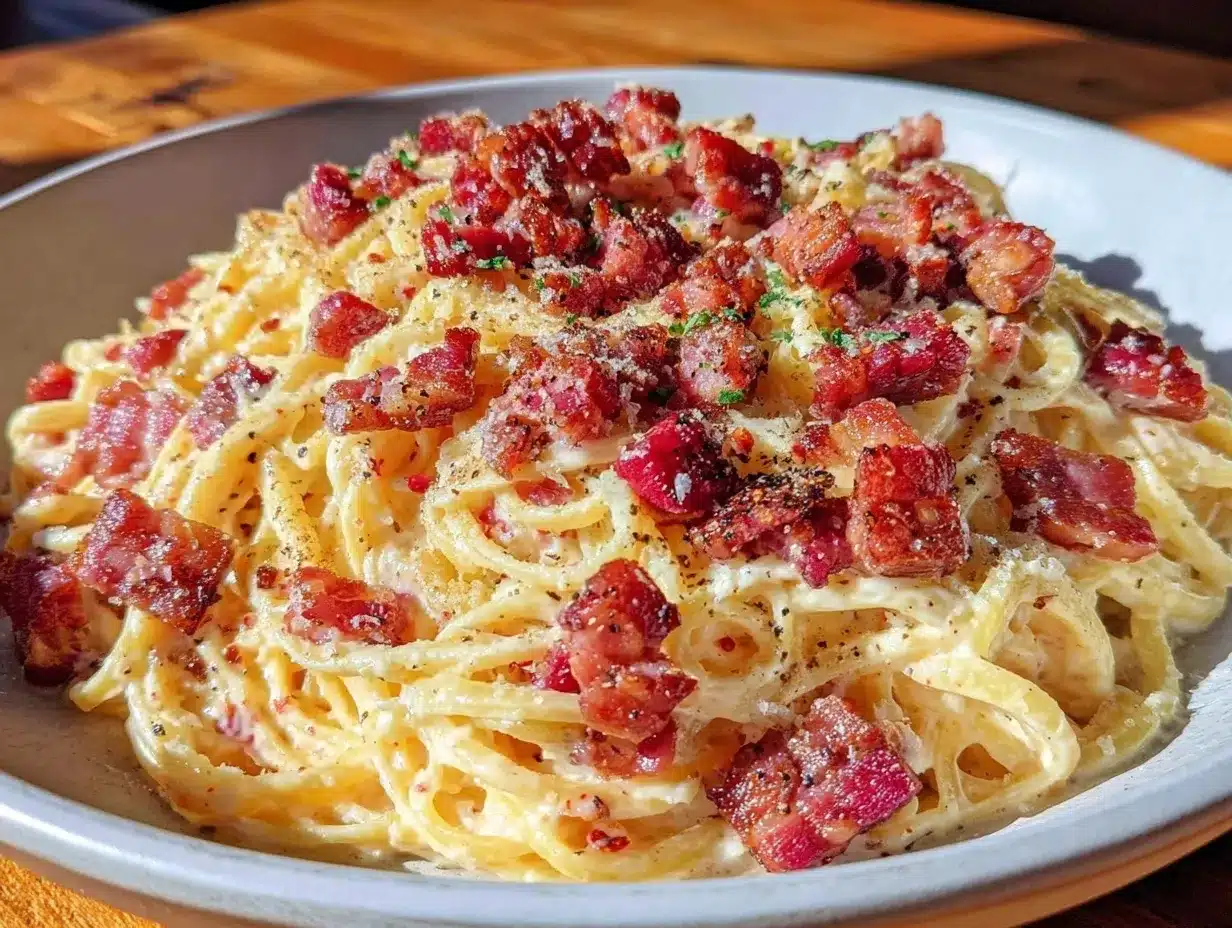
“You ever get caught off guard by something so simple yet totally unforgettable?” That’s exactly how I felt the first time I tasted authentic Italian carbonara made with crispy guanciale. It wasn’t in some fancy Roman trattoria or a glitzy Italian restaurant, but at a tiny old deli tucked away in a cobblestone alley in Trastevere. The owner, a sprightly gentleman named Marco, wasn’t much for chatting, but when he served me that bowl of pasta, sprinkled with golden, crackling guanciale bits and a creamy, glossy sauce, I swear time slowed down.
Honestly, I was skeptical at first. I mean, I’d had carbonara before, but it was always the same: bacon instead of guanciale, cream added (a sacrilege, if you ask any Italian), and a heavy-handed sprinkle of cheese. This version was different. The guanciale wasn’t just crispy; it was the star of the show, imparting a smoky, salty punch that danced with the silky eggs and Pecorino Romano. I remember knocking over a cracked ceramic bowl while trying to take notes—classic me. But that meal stuck with me, and after countless attempts in my own kitchen, I finally nailed the balance of rich, creamy carbonara with that impeccable crunch.
Maybe you’ve been there too—craving a pasta dish that’s simple but makes you close your eyes after the first bite. If you haven’t, this classic authentic Italian carbonara with crispy guanciale is exactly what you need. Trust me, it’s not just a recipe; it’s a little piece of Roman magic that I keep coming back to again and again.
Why You’ll Love This Recipe
After lots of cooking trials and a few burnt pans, this classic authentic Italian carbonara recipe has become my go-to for a quick yet indulgent dinner. It’s one of those dishes that looks fancy but actually comes together fast—perfect for busy weeknights when you want something special without fuss.
- Quick & Easy: Ready in about 20 minutes, making it ideal for unexpected guests or last-minute cravings.
- Simple Ingredients: Uses pantry staples plus guanciale, which you can find at most Italian markets or order online.
- Perfect for Cozy Dinners: Nothing beats the comforting warmth of this pasta on chilly evenings or lazy Sundays.
- Crowd-Pleaser: Friends and family always ask for seconds—kids and picky eaters too!
- Unbelievably Delicious: The crispy guanciale adds a smoky crunch that takes the creamy sauce to a whole new level.
This isn’t just another carbonara recipe with cream or bacon swapped in. The secret here is the guanciale, cured pork jowl, which delivers a depth of flavor and texture that’s simply unmatched. Plus, the technique of mixing hot pasta with the egg and cheese off the heat means you get a luxuriously silky sauce without scrambling your eggs—something I learned the hard way during my early kitchen experiments.
It’s comfort food redefined: simple ingredients, quick prep, but with an authentic soul that makes you savor every bite. Whether you’re a pasta novice or a seasoned cook, this recipe is your ticket to a little Roman indulgence that feels like a warm hug on a plate.
What Ingredients You Will Need
This classic authentic Italian carbonara recipe uses straightforward ingredients that work together to create bold flavor and satisfying texture—no fuss, no cream, just pure Italian goodness. Most of these are pantry staples with a couple of special touches.
- Guanciale: 4 ounces (115 g), diced small (the star ingredient—look for this at Italian delis or specialty shops)
- Spaghetti: 12 ounces (340 g), preferably a high-quality brand like De Cecco or Barilla
- Egg yolks: 4 large (room temperature for best emulsification)
- Whole eggs: 1 large (adds creaminess without heavy cream)
- Pecorino Romano cheese: 1 cup finely grated (about 100 g, sharp and salty—don’t skip this!)
- Freshly ground black pepper: 1 teaspoon or more to taste (the pepper adds a subtle kick that balances richness)
- Salt: for pasta water (keep it salty like the sea!)
If you can’t find guanciale, pancetta is a reasonable substitute, but trust me, the dish won’t have quite the same punch. For a gluten-free option, swap spaghetti with gluten-free pasta, but make sure it’s sturdy enough to hold the sauce.
Pro tip: I always use a microplane to grate my Pecorino Romano for the silkiest texture. Also, when buying eggs, opt for the freshest you can find, as they’re crucial for that creamy sauce.
Equipment Needed
- Large pot: For boiling pasta. Make sure it’s big enough so pasta cooks evenly.
- Large skillet or frying pan: For crisping the guanciale. A heavy-bottomed skillet works best to get even heat.
- Bowl: Medium mixing bowl for whisking eggs and cheese together.
- Tongs or pasta fork: To transfer pasta directly from pot to pan.
- Microplane or fine grater: For grating Pecorino Romano cheese.
- Wooden spoon or spatula: For stirring guanciale and combining pasta.
If you don’t have a microplane, a fine box grater will do, but be careful to grate finely to avoid lumps. A non-stick skillet is great, but I prefer a cast iron pan for guanciale crispiness—it holds heat better, giving you that perfect crunch.
Preparation Method
- Prepare the guanciale: Heat a large skillet over medium heat. Add the diced guanciale and cook until it turns golden and crispy, about 5-7 minutes. The fat will render out and become the base of your sauce. Stir occasionally to prevent burning. Once crispy, remove from heat but keep the rendered fat in the pan.
- Cook the pasta: Bring a large pot of salted water to a rolling boil. Add 12 oz (340 g) spaghetti and cook until al dente, usually 8-10 minutes (check package instructions). Reserve about 1 cup (240 ml) of pasta cooking water before draining.
- Mix eggs and cheese: While pasta cooks, whisk together 4 large egg yolks, 1 whole egg, and 1 cup (100 g) finely grated Pecorino Romano in a bowl. Add a generous teaspoon of freshly ground black pepper. The mixture should be smooth and creamy.
- Combine pasta and guanciale: Quickly add the drained pasta to the skillet with the guanciale and its fat over low heat. Toss to coat the pasta evenly. Remove the pan from heat to avoid scrambling the eggs.
- Create the sauce: Pour the egg and cheese mixture over the pasta, stirring vigorously to create a silky sauce. Use reserved pasta water a little at a time to loosen the sauce if it feels too thick. The heat from the pasta gently cooks the eggs, making a creamy coating without curdling.
- Final seasoning: Taste and adjust seasoning with more black pepper if desired. Serve immediately with an extra sprinkle of Pecorino Romano on top.
Note: Timing is everything here to get that perfect texture. If the pan is too hot when you add the egg mixture, you risk scrambled eggs rather than a smooth sauce. That’s the trickiest part, but once you get it, you’re golden. Also, saving pasta water is key—it acts like a natural emulsifier to marry the sauce beautifully.
Cooking Tips & Techniques
One thing I’ve learned is that authentic carbonara is all about balance and technique. Here’s what to keep in mind:
- Don’t overcook the guanciale: Crispy but not burnt is the goal. Burnt guanciale tastes bitter and ruins the dish.
- Use room-temperature eggs: Cold eggs can seize up when mixed with hot pasta, leading to lumps.
- Off-heat mixing: Always take the pan off the heat before adding eggs. This stops them from scrambling.
- Reserve pasta water: It’s magic for loosening the sauce and adding silkiness without thinning the flavor.
- Freshly ground black pepper: Adds essential heat and aroma. Don’t skimp on it.
I once tried rushing by tossing eggs right in the hot pan, and let me tell you, scrambled eggs on pasta is not what you want. Also, multitasking by prepping the egg mixture while pasta boils saves precious minutes—something I picked up after many rushed dinners.
Variations & Adaptations
This classic authentic Italian carbonara recipe is wonderfully adaptable:
- Vegetarian version: Swap guanciale for sautéed mushrooms or smoked tofu for that umami punch.
- Seasonal twist: Add fresh peas or asparagus tips in spring for a pop of color and freshness.
- Low-carb option: Use spiralized zucchini noodles instead of spaghetti, but be mindful of water release affecting sauce consistency.
For cooking method changes, some cooks like to finish the pasta in the pan with a splash of white wine before adding eggs for an extra layer of flavor. Personally, I tried substituting Parmesan for Pecorino Romano once and, honestly, it lacked that sharp salty bite that makes carbonara sing.
Serving & Storage Suggestions
Serve this carbonara piping hot, right off the stove. The sauce is at its creamiest when fresh, so don’t let it sit too long. Garnish with an extra grind of black pepper and a sprinkle of Pecorino Romano.
It pairs beautifully with a crisp green salad or sautéed spinach to cut through the richness. For drinks, a dry Italian white wine like Frascati or a sparkling water with lemon works perfectly.
Leftovers can be stored in an airtight container in the fridge for up to 2 days. Reheat gently in a pan over low heat with a splash of water to revive the sauce—microwaving tends to scramble the eggs. The flavors meld nicely overnight, but the texture is best fresh.
Nutritional Information & Benefits
This classic authentic Italian carbonara is rich and satisfying, providing a hearty dose of protein from eggs and guanciale. Pecorino Romano adds calcium and a distinctive salty flavor without needing extra salt. While it’s not a low-fat dish, it’s made with real ingredients and no added cream or preservatives.
For those watching carbs, the portion size can be adjusted or paired with a vegetable side to balance the meal. This recipe is gluten-free if prepared with gluten-free pasta.
Personally, I appreciate carbonara as a comfort meal that also feels a bit indulgent but honest—something I can enjoy guilt-free when balanced with fresh veggies.
Conclusion
Classic authentic Italian carbonara with crispy guanciale is one of those recipes that teaches you patience, respect for ingredients, and the joy of simple cooking. It’s quick enough for a weeknight but special enough to impress guests without breaking a sweat.
Feel free to adjust the pepper, cheese, or pasta type to suit your taste buds. I love this recipe because it always brings back that moment in Rome—the sizzle of guanciale, the creamy sauce, and the happy mess I made taking notes.
Give it a try, share your variations, and don’t hesitate to leave a comment telling me how your carbonara adventure went. Trust me, once you master this, you’ll wonder why you ever settled for anything less!
FAQs
What is guanciale, and can I substitute it?
Guanciale is cured pork jowl, prized for its rich flavor and fat content. If you can’t find it, pancetta is the closest substitute, but the flavor will be milder. Avoid regular bacon, as it’s smoked and changes the dish’s character.
Can I make carbonara without eggs?
Eggs are essential for the creamy sauce in traditional carbonara. Leaving them out means it won’t be authentic, and the dish will lack its signature texture.
Why shouldn’t I add cream to carbonara?
Traditional Roman carbonara uses no cream—the creaminess comes from eggs and cheese emulsified with pasta water. Adding cream changes the flavor and texture, making it more like an Alfredo.
How do I prevent the eggs from scrambling?
Remove the pan from heat before adding the egg mixture, and stir quickly and constantly. Using room-temperature eggs also helps achieve a smooth sauce.
Can I prepare carbonara ahead of time?
It’s best served immediately, but you can prep guanciale and egg mixture in advance. Cook pasta fresh and toss everything together just before serving for best results.
PrintClassic Authentic Italian Carbonara Recipe Easy Crispy Guanciale Pasta
A quick and indulgent classic Italian carbonara made with crispy guanciale, silky eggs, and Pecorino Romano cheese for a rich, authentic Roman pasta experience.
- Prep Time: 10 minutes
- Cook Time: 10 minutes
- Total Time: 20 minutes
- Yield: 4 servings 1x
- Category: Main Course
- Cuisine: Italian
Ingredients
- 4 ounces (115 g) guanciale, diced small
- 12 ounces (340 g) spaghetti
- 4 large egg yolks (room temperature)
- 1 large whole egg (room temperature)
- 1 cup (100 g) finely grated Pecorino Romano cheese
- 1 teaspoon freshly ground black pepper or more to taste
- Salt for pasta water
Instructions
- Heat a large skillet over medium heat. Add the diced guanciale and cook until golden and crispy, about 5-7 minutes. Stir occasionally to prevent burning. Remove from heat but keep the rendered fat in the pan.
- Bring a large pot of salted water to a rolling boil. Add spaghetti and cook until al dente, about 8-10 minutes. Reserve about 1 cup (240 ml) of pasta cooking water before draining.
- While pasta cooks, whisk together 4 large egg yolks, 1 whole egg, and 1 cup finely grated Pecorino Romano cheese in a bowl. Add freshly ground black pepper and mix until smooth and creamy.
- Add the drained pasta to the skillet with guanciale and its fat over low heat. Toss to coat evenly. Remove the pan from heat to avoid scrambling the eggs.
- Pour the egg and cheese mixture over the pasta, stirring vigorously to create a silky sauce. Add reserved pasta water a little at a time to loosen the sauce if too thick.
- Taste and adjust seasoning with more black pepper if desired. Serve immediately with an extra sprinkle of Pecorino Romano on top.
Notes
Use room-temperature eggs to prevent scrambling. Remove pan from heat before adding egg mixture. Reserve pasta water to loosen sauce as needed. If guanciale is unavailable, pancetta can be used but flavor will be milder. For gluten-free, use gluten-free pasta.
Nutrition
- Serving Size: 1 serving (about 3 o
- Calories: 520
- Sugar: 2
- Sodium: 700
- Fat: 22
- Saturated Fat: 8
- Carbohydrates: 55
- Fiber: 3
- Protein: 25
Keywords: carbonara, Italian pasta, guanciale, authentic carbonara, Pecorino Romano, creamy pasta, quick dinner, Roman recipe