Love this? Save it for later!
Share the inspiration with your friends
“Last summer, I found myself stranded at a tiny roadside stand in the middle of nowhere, desperate for something to cool me down. The vendor handed me a glass of lemonade that was unlike any I’d ever tasted—bright, tangy, but with a twist that made me pause. Turns out, she was mixing in a little something special from her own garden. That moment sparked a serious lemonade adventure in my kitchen that I just have to share.”
Honestly, lemonade is one of those drinks that feels simple but can surprise you in so many ways. Maybe you’ve been there too—craving something fresh, zesty, and just the right kind of sweet without all that fuss. I mean, who hasn’t tried a lemonade that ended up too sour, too sweet, or just meh? Well, these no-fail lemonade variations are here to change the game. Each one has its own personality and little secret, born from happy accidents, casual chats with friends, and a few late-night experiments when I just couldn’t sleep.
What I love most is how easy they are to whip up, even if you forget the sugar or grab the wrong citrus (trust me, it’s happened). These five refreshing recipes aren’t just good—they’re the kind that make you close your eyes and smile with that first sip. So whether you’re chilling solo, entertaining friends, or just need a quick pick-me-up, there’s a lemonade here waiting to become your new summer staple.
Why You’ll Love This Recipe
- Quick & Easy: Each lemonade variation comes together in under 10 minutes, making it perfect for those hectic afternoons or last-minute gatherings.
- Simple Ingredients: No need for exotic fruits or fancy syrups—you likely have everything at home already, from lemons to honey and fresh herbs.
- Perfect for Any Occasion: Whether it’s a backyard BBQ, a cozy brunch, or just a quiet moment on your porch, these lemonades fit right in.
- Crowd-Pleaser: I’ve served these at potlucks and family dinners—kids and adults alike always ask for seconds.
- Unbelievably Delicious: The balance between tart and sweet, with hints of herbs or spices, turns classic lemonade into something next-level refreshing.
What sets these recipes apart? Well, it’s not just the fresh-squeezed lemons or the homemade simple syrup. It’s the little touches—like blending in ripe strawberries for a natural sweetness, or adding a sprig of thyme for an unexpected herbal note. One of my favorites uses a splash of sparkling water to give that zingy effervescence you find in fancy cafes. I mean, this isn’t your run-of-the-mill lemonade; it’s thoughtfully crafted to bring a fresh twist while keeping things approachable.
Honestly, after years of testing and tweaking, I can say these recipes hit that sweet spot between easy and impressive. They’re the kind of drinks that make you pause and appreciate the simple joys, whether you’re sipping alone or sharing with friends.
What Ingredients You Will Need
These lemonade variations rely on fresh, wholesome ingredients that deliver bold flavor and refreshing texture without any complicated prep. Most are pantry staples or easy to find at your local market, with a few seasonal options to keep things interesting.
- Fresh Lemons: About 1 cup (240 ml) of freshly squeezed lemon juice per recipe. I always reach for bright, firm lemons—nothing beats that fresh citrus punch.
- Sweeteners: Granulated sugar, honey, or maple syrup depending on your preference. Honey adds a lovely floral note, while maple syrup brings a subtle depth. Use about ½ to ¾ cup (100–150 g) depending on taste.
- Water: Still or sparkling—sparkling water gives a bubbly lift if you want that fizzy feel.
- Fresh Herbs: Mint, basil, or thyme sprigs for garnish and infusion. Mint is classic, but thyme adds a cozy, unexpected twist.
- Fruit Additions: Optional but recommended—fresh strawberries, blueberries, or even cucumber slices. For example, ripe strawberries mashed gently add natural sweetness and color.
- Ice: Crushed or cubed, essential for that cool, thirst-quenching finish.
Substitution tips: If you want a sugar-free option, try stevia or erythritol, but adjust quantities since they’re sweeter than sugar. For a dairy-free creamy twist, a splash of coconut milk can be added to one of the variations for a tropical vibe.
I usually stick with trusted brands for sweeteners—like Wholesome Sweeteners for organic honey or Domino for sugar—to keep the flavor clean and consistent. And if you can get your hands on organic lemons, even better. They tend to have more intense aroma and a slightly sweeter edge.
Equipment Needed
- Citrus Juicer: A handheld or electric juicer makes getting that fresh lemon juice a breeze. I’ve tried them all, and honestly, a simple handheld reamer works great and’s easy to clean.
- Mixing Pitcher: A large glass or plastic pitcher with at least 2-quart (2-liter) capacity to mix and chill your lemonade.
- Measuring Cups & Spoons: For precise sugar and water measurements. I find that accuracy really helps balance the tartness.
- Muddler or Spoon: For gently crushing fruit or herbs to release their flavors.
- Fine Mesh Strainer: Optional, but handy if you want pulp-free lemonade, especially with blended fruit variations.
- Glasses & Straws: For serving. Mason jars add a charming rustic touch, but clear tumblers work just fine.
Budget-friendly alternatives: If you don’t have a juicer, roll your lemons firmly on the counter to loosen the juice and squeeze by hand. A wooden spoon can substitute for a muddler, pressing gently to release those herb oils. Also, no need for fancy glassware—your favorite coffee mugs or water glasses work just as well.
Preparation Method
- Prepare the Simple Syrup (5 minutes): Combine ½ cup (100 g) granulated sugar and ½ cup (120 ml) water in a small saucepan. Heat over medium, stirring occasionally until sugar dissolves completely. Remove from heat and let cool. (Pro tip: For honey syrup, mix equal parts honey and warm water until smooth.)
- Juice the Lemons (5 minutes): Roll lemons on the counter to soften, then cut in half and juice about 1 cup (240 ml) of fresh lemon juice. Strain seeds out with a fine mesh strainer.
- Mix Base Lemonade (3 minutes): In a large pitcher, combine the cooled simple syrup, fresh lemon juice, and 3 cups (720 ml) cold water. Stir well. Taste and adjust sweetness or tartness by adding more syrup or lemon juice if needed.
- Add Fruit or Herb Variations (5 minutes): For strawberry lemonade, mash 1 cup (150 g) fresh strawberries lightly and stir into the base. For herbal versions, bruise a handful of mint or thyme leaves with a muddler or spoon and add directly. Let infuse for 10–15 minutes in the fridge.
- Chill & Serve (10 minutes): Fill glasses with ice cubes or crushed ice. Pour lemonade over and garnish with a lemon wheel or a sprig of fresh herb. For a bubbly touch, top each glass with a splash of sparkling water just before serving.
- Storage Tip: Keep leftover lemonade covered in the fridge for up to 3 days. Stir before serving as some settling may occur.
Quick note: If your lemonade tastes too tart, a pinch of salt can round out the flavors surprisingly well. And if you want a smoother texture without pulp, strain the mixture before chilling. I’ve found chilling the lemonade properly really enhances the flavors and makes the experience more refreshing.
Cooking Tips & Techniques
Let me tell you, getting lemonade just right is a bit of an art. Here are some tricks I picked up over time:
- Balance is Key: Too much lemon can overwhelm, while too little makes it flat. Always start with less syrup, then add gradually—sweetness is easier to build than fix.
- Use Fresh Lemons: Bottled lemon juice is a no-go here. Fresh juice has that bright zing and natural oils that bottled versions can’t match.
- Don’t Skip the Simple Syrup: Dissolving sugar in water first prevents gritty sweetness and blends smoothly.
- Infuse Flavors: Gently muddle herbs or fruit rather than blitzing. Crushing releases oils and juices without bitterness.
- Chill Thoroughly: Cold lemonade tastes better. If you’re pressed for time, ice cubes help but avoid diluting by using ice made from lemonade if possible.
- Experiment with Sparkling Water: Adding fizz just before serving gives a fancy café feel, but avoid mixing too early or you’ll lose bubbles.
- Watch Out for Bitterness: Avoid squeezing lemon peel unless you want a bitter note. Just juice the fruit cleanly.
Once, I left lemon pulp in the mix overnight and woke up with a slightly bitter batch—lesson learned! Also, when adding fresh herbs, a quick taste test before serving helps avoid overpowering flavors. Honestly, a little patience and tasting as you go make all the difference.
Variations & Adaptations
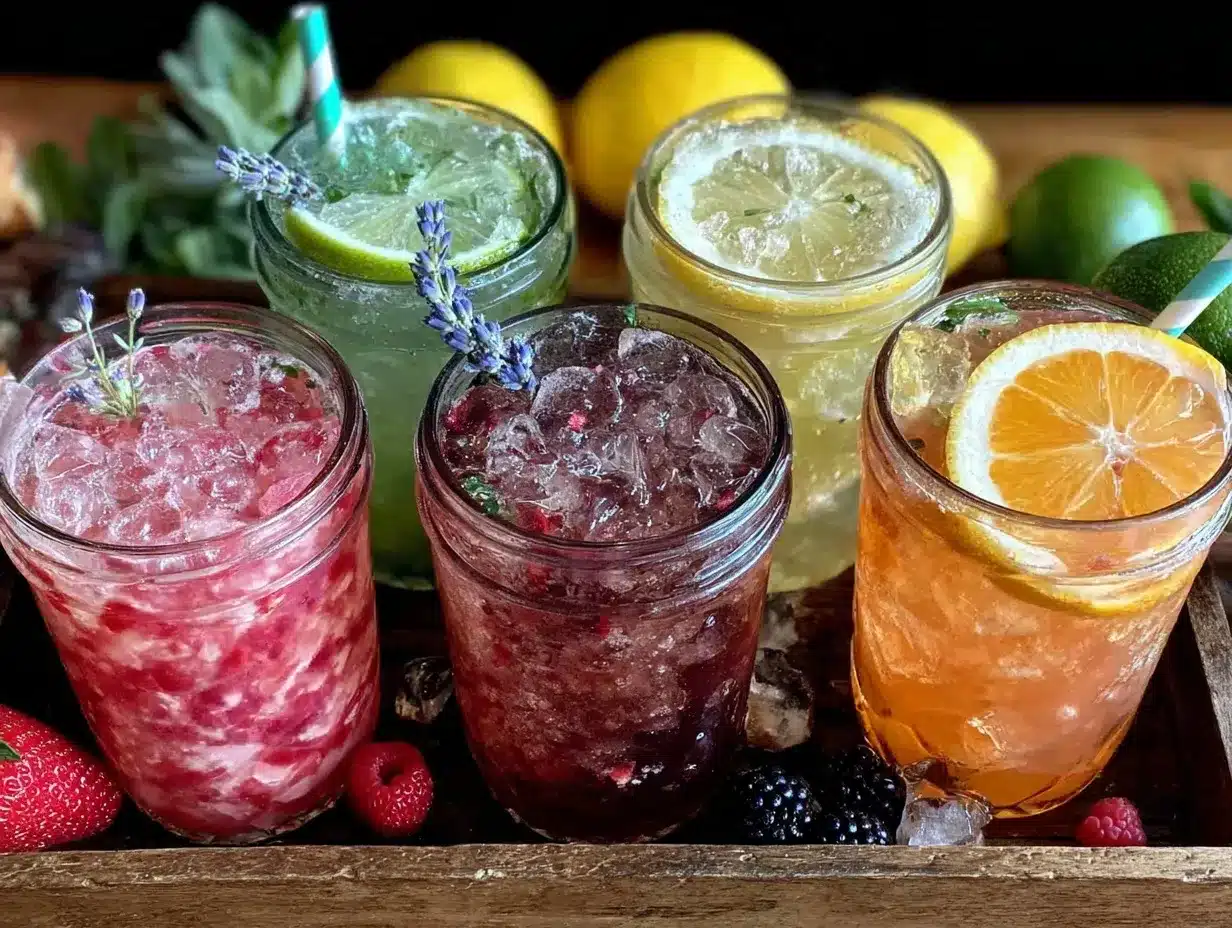
- Strawberry Basil Lemonade: Mash 1 cup (150 g) ripe strawberries and add ¼ cup (6 g) fresh basil leaves, lightly bruised. Sweeten with honey syrup. This combo brings a sweet herbal freshness perfect for spring.
- Cucumber Mint Lemonade: Thinly slice half a cucumber and add 10 mint leaves into the pitcher. Let infuse for 20 minutes in the fridge. This version is ultra-refreshing and hydrating on hot days.
- Ginger Honey Lemonade: Grate 1 tablespoon (15 g) fresh ginger and steep in hot water for 5 minutes. Use this ginger tea as part of your water base and sweeten with honey syrup. The spicy warmth balances the tart lemon beautifully.
- Sparkling Lavender Lemonade: Add 1 teaspoon dried culinary lavender to your simple syrup while heating. Strain out flowers before mixing. Top with sparkling water for a floral, bubbly treat.
- Low-Sugar Lime Lemonade: Substitute half the lemons with limes and use stevia or erythritol instead of sugar. Great for those watching sugar intake but still craving zest.
One time, I tried swapping out lemon for yuzu (a Japanese citrus) in the ginger honey version, and it was surprisingly bright and complex. Feel free to play with citrus types depending on what’s fresh at your market or your personal taste.
Serving & Storage Suggestions
Serve your lemonade chilled, ideally in tall glasses filled with plenty of ice—crushed ice works wonders for that extra chill factor. Garnish with a slice of lemon, a sprig of fresh herbs, or a few whole berries for a pop of color and aroma.
This lemonade pairs beautifully with light summer dishes—think grilled chicken, fresh salads, or even a batch of crispy garlic chicken for a savory contrast. For a cozy brunch, try it alongside fluffy pancakes or a cinnamon-spiced coffee cake.
Store leftover lemonade in a sealed pitcher or jar in the fridge for up to three days. Give it a good stir before pouring as some separation is natural. If you want to keep it longer, pour into ice cube trays and freeze—lemonade cubes are fantastic to chill water or iced tea later without watering down.
Reheat is generally not recommended, but if you want a warm twist, try gently warming the ginger honey lemonade for a soothing evening drink. The flavors mellow and deepen with time, so sometimes letting it sit overnight in the fridge helps the herbs and fruit infuse even more.
Nutritional Information & Benefits
Each serving of these lemonade variations (about 8 oz/240 ml) contains approximately:
| Calories | 80-120 (depending on sweetener and fruit additions) |
|---|---|
| Carbohydrates | 20-30 g |
| Sugars | 18-25 g |
| Vitamin C | 30-50% daily value (thanks to fresh lemons) |
Besides quenching thirst, lemons offer a good dose of vitamin C, which supports immune health and skin vitality. The fresh herbs like mint and basil provide antioxidants and can aid digestion. Using natural sweeteners like honey adds trace minerals and a gentler blood sugar impact compared to refined sugar.
If you’re watching carbs or sugar intake, the low-sugar lime lemonade with stevia is a great alternative, keeping the bright flavors without the extra calories. Just watch out for any citrus allergies or sensitivities.
From a wellness perspective, these lemonades feel like a treat that’s also kind to your body—a refreshing, hydrating option that’s easy to enjoy guilt-free.
Conclusion
These no-fail lemonade variations have become a staple in my kitchen for good reason—they’re easy, delicious, and endlessly adaptable. Whether you’re craving a classic tangy sip or want to impress guests with a pretty pink strawberry basil twist, there’s something here for every mood and moment.
Feel free to tweak the sweetness, swap herbs, or add your favorite fruits. I love how flexible these recipes are; it’s like having a lemonade bar at home. Honestly, I keep coming back to these lemonades because they remind me of that hot summer day at the roadside stand—simple pleasures, made special with a little creativity.
Give them a try, and let me know which one becomes your favorite! Don’t hesitate to share your own spins or questions in the comments—I’m always excited to hear about your lemonade adventures.
Here’s to keeping cool and refreshed, one perfect glass at a time.
FAQs About No-Fail Lemonade Variations
Can I make these lemonade variations ahead of time?
Absolutely! You can prepare the base lemonade and any infused versions up to a day in advance. Just keep them refrigerated and add ice or sparkling water right before serving for the best fizz and chill.
How can I make lemonade less sweet?
Start with less simple syrup and add gradually to your taste. You can also try using natural sweeteners like honey or maple syrup, which tend to taste sweeter, so you’ll need less.
Is it necessary to strain the lemonade?
Not always. If you prefer a smooth, pulp-free drink, strain after juicing or blending fruit. Otherwise, a little pulp adds texture and freshness.
Can I use bottled lemon juice instead of fresh lemons?
For the best flavor, fresh lemon juice is recommended. Bottled juice often lacks brightness and can taste dull or bitter in lemonade.
What’s the best way to add fizz to lemonade?
Add chilled sparkling water or club soda just before serving. Avoid mixing it too early to keep the bubbles lively.
Pin This Recipe!
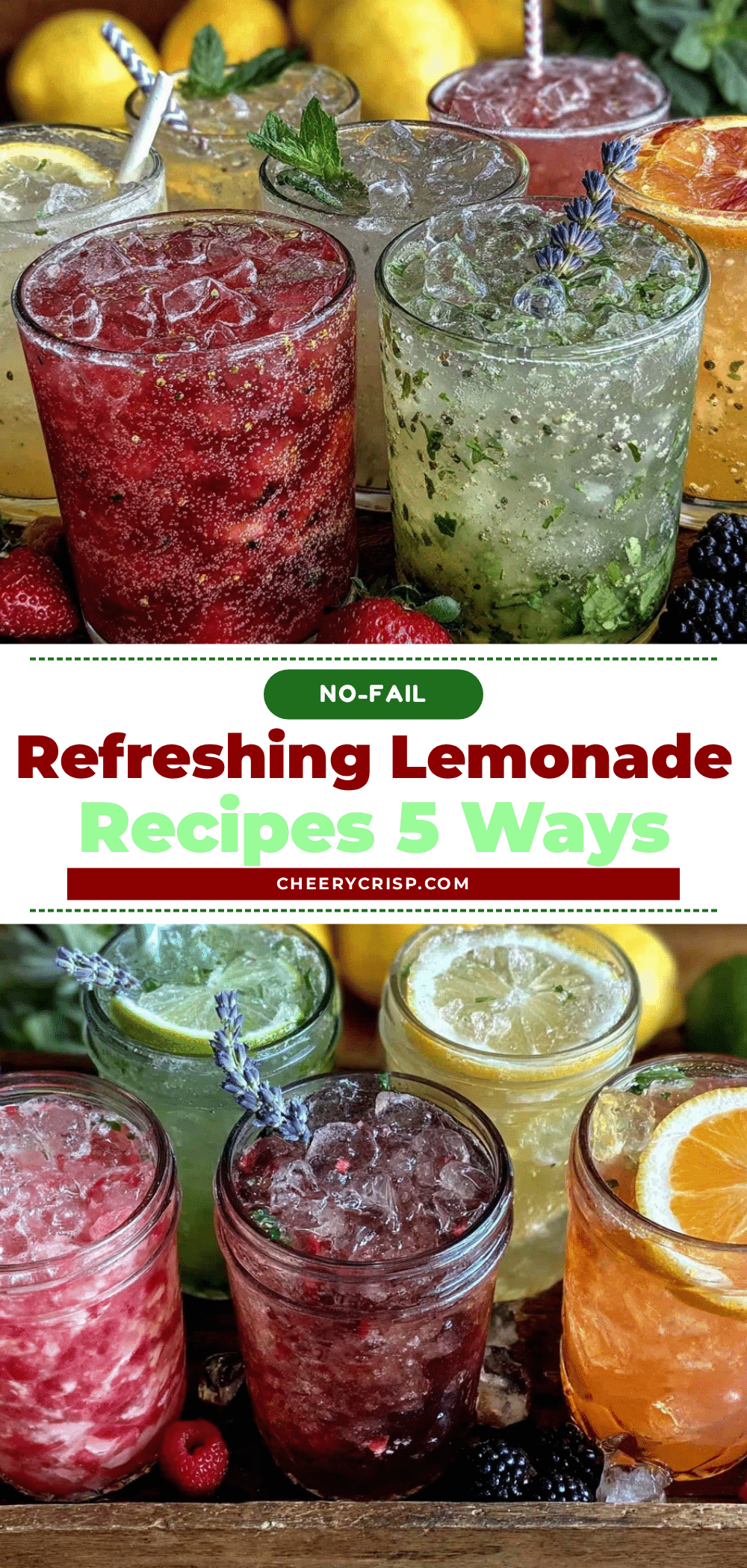
No-Fail Lemonade Variations
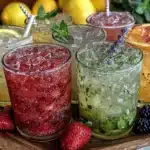
Easy and refreshing lemonade recipes with unique twists like fresh herbs, fruits, and sparkling water, perfect for any occasion.
- Prep Time: 10 minutes
- Cook Time: 5 minutes
- Total Time: 15 minutes
- Yield: 4 servings 1x
- Category: Beverage
- Cuisine: American
Ingredients
- 1 cup (240 ml) freshly squeezed lemon juice
- ½ to ¾ cup (100–150 g) granulated sugar, honey, or maple syrup
- 3 cups (720 ml) cold water (still or sparkling)
- Fresh herbs such as mint, basil, or thyme sprigs
- Optional fruit additions: 1 cup (150 g) fresh strawberries, blueberries, or cucumber slices
- Ice (crushed or cubed)
Instructions
- Prepare the simple syrup by combining ½ cup (100 g) granulated sugar and ½ cup (120 ml) water in a small saucepan. Heat over medium, stirring occasionally until sugar dissolves completely. Remove from heat and let cool. For honey syrup, mix equal parts honey and warm water until smooth.
- Roll lemons on the counter to soften, then cut in half and juice about 1 cup (240 ml) of fresh lemon juice. Strain seeds out with a fine mesh strainer.
- In a large pitcher, combine the cooled simple syrup, fresh lemon juice, and 3 cups (720 ml) cold water. Stir well. Taste and adjust sweetness or tartness by adding more syrup or lemon juice if needed.
- Add fruit or herb variations: mash 1 cup (150 g) fresh strawberries lightly and stir into the base for strawberry lemonade; bruise a handful of mint or thyme leaves with a muddler or spoon and add directly for herbal versions. Let infuse for 10–15 minutes in the fridge.
- Fill glasses with ice cubes or crushed ice. Pour lemonade over and garnish with a lemon wheel or a sprig of fresh herb. For a bubbly touch, top each glass with a splash of sparkling water just before serving.
- Store leftover lemonade covered in the fridge for up to 3 days. Stir before serving as some settling may occur.
Notes
Use fresh lemons for best flavor; bottled lemon juice is not recommended. Adjust sweetness gradually. For pulp-free lemonade, strain after juicing or blending fruit. Add sparkling water just before serving to maintain fizz. Leftover lemonade keeps up to 3 days refrigerated. Ice made from lemonade prevents dilution. A pinch of salt can balance tartness. Try variations like strawberry basil, cucumber mint, ginger honey, sparkling lavender, or low-sugar lime lemonade with stevia.
Nutrition
- Serving Size: 8 oz (240 ml) per se
- Calories: 80120
- Sugar: 1825
- Sodium: 510
- Carbohydrates: 2030
- Fiber: 1
- Protein: 1
Keywords: lemonade, refreshing drinks, summer drinks, easy lemonade, homemade lemonade, fruit lemonade, herbal lemonade, sparkling lemonade