Love this? Save it for later!
Share the inspiration with your friends
“You know that moment when the power flickers during dinner prep, and suddenly your whole plan feels like it’s about to unravel?” That happened to me one rainy Thursday evening while I was halfway through making this classic carbonara recipe with authentic guanciale. The kitchen went dark, and I fumbled with a flashlight, worried my perfectly timed sauce would turn into a scrambled mess. Honestly, it was one of those chaotic moments that somehow made the dish even more memorable.
I first stumbled upon this recipe while wandering the narrow streets of Rome’s Trastevere neighborhood. It wasn’t in a fancy restaurant or a tourist hotspot but at a tiny, no-frills trattoria where the owner insisted on using guanciale—the cured pork jowl that delivers that unmistakable punch of flavor. Watching him handle the guanciale with such respect and care made me realize that carbonara is more than just pasta; it’s a ritual, a story steeped in Roman tradition.
Let me tell you, this isn’t your quick-fix pasta dish. The Rome purist method calls for patience, the right ingredients, and a delicate balance. It’s the kind of recipe that sticks with you, the kind you keep coming back to because it tastes like an honest, authentic slice of Roman life. If you’ve ever been unsure about how to get that silky sauce without turning it into eggs on toast, or wondered why guanciale is the real star here, you’re in the right place. So, wipe your hands, maybe light a candle (because, hey, power outages can’t stop this), and let’s get into the heart of an authentic carbonara experience.
Why You’ll Love This Recipe
After testing countless variations of carbonara, I can confidently say this classic carbonara recipe with authentic guanciale stands out for several reasons. It’s not just about taste; it’s a combination of technique, quality ingredients, and respect for tradition that brings a rich, satisfying dish to your table.
- Quick & Easy: Comes together in about 25 minutes, perfect for those evenings when you want something special but don’t have hours to spend in the kitchen.
- Simple Ingredients: Uses pantry staples like eggs and Pecorino Romano, but the guanciale is the game-changer. You don’t need a long grocery list or exotic items.
- Perfect for Cozy Dinners: Whether it’s a casual weeknight or a small gathering, this dish impresses without the fuss.
- Crowd-Pleaser: Even the pickiest eaters usually fall in love with the creamy texture and bold flavors.
- Unbelievably Delicious: The combination of crispy guanciale, peppery Pecorino, and silky egg sauce is comfort food at its finest.
What sets this recipe apart is the use of authentic guanciale and the Rome purist method, which avoids cream or butter. This technique brings out the pure flavors and creates that signature creamy texture using just eggs and cheese. I remember the first time I nailed the sauce—it was like unlocking a secret passed down through generations. So, if you want a carbonara that’s not just good but genuinely Roman, this is your recipe.
What Ingredients You Will Need
This classic carbonara recipe uses simple, wholesome ingredients to deliver bold flavor and satisfying texture without the fuss. Most of these are pantry staples, but the key is sourcing quality guanciale and Pecorino Romano cheese.
- For the Pasta:
- 400g (14 oz) spaghetti or rigatoni (traditional Roman choice)
- Salt, for pasta water (to taste)
- For the Sauce & Topping:
- 150g (5 oz) guanciale, diced (look for authentic Italian guanciale; I prefer brands like Negroni or local Italian imports)
- 3 large eggs, room temperature (use fresh eggs for best texture)
- 1 cup (100g) Pecorino Romano cheese, finely grated (grating yourself makes a huge difference)
- Freshly cracked black pepper, generous amount (the pepper gives carbonara its signature kick)
- Optional: pinch of salt (usually unnecessary because guanciale and Pecorino are salty)
If you’re unable to find guanciale, pancetta can substitute, but honestly, the guanciale’s fattiness and flavor are irreplaceable. For a gluten-free twist, you can swap spaghetti for gluten-free pasta, but it won’t perfectly mimic the traditional texture. Pecorino Romano is crucial here—Parmesan won’t give you the same sharp, salty depth. I always recommend buying Pecorino in a block and grating it fresh; pre-grated cheese can be dry and powdery.
Equipment Needed
- Large pot for boiling pasta
- Heavy skillet or frying pan (preferably non-stick or cast iron for even heat)
- Mixing bowl for eggs and cheese
- Tongs or pasta fork for tossing
- Fine grater for cheese (microplane preferred)
- Strainer or colander for pasta
- Small whisk or fork for blending eggs and cheese
If you don’t have a non-stick pan, a well-seasoned cast iron skillet works beautifully and adds a bit of rustic charm. I once tried a carbonara with a stainless steel pan and learned the hard way that it needs a bit more attention to avoid sticking. For budget-friendly grating, a box grater works fine but expect a coarser texture. Keeping the equipment simple helps keep the focus on the technique and ingredients.
Preparation Method
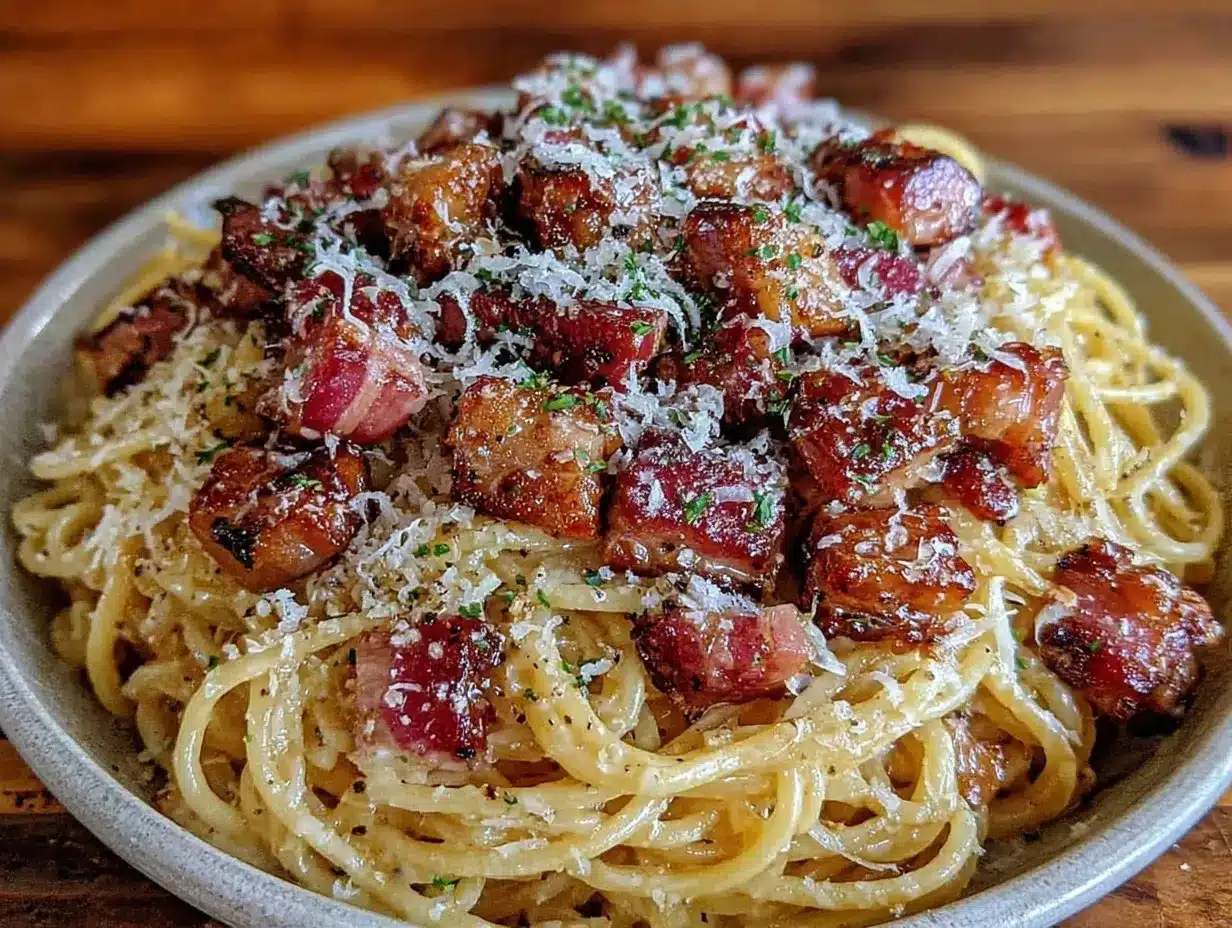
- Prepare the pasta water: Bring a large pot of salted water to a rolling boil. Use about 1 tablespoon of salt per 4 quarts (4 liters) of water. Add 400g (14 oz) of spaghetti and cook until just shy of al dente, about 8-9 minutes depending on the brand. Remember, the pasta will finish cooking in the sauce.
- Cook the guanciale: While pasta cooks, heat a heavy skillet over medium heat. Add the diced 150g (5 oz) guanciale and cook slowly, stirring occasionally, until the fat renders out and the guanciale is crisp but not burnt, about 5-7 minutes. Remove from heat once done and keep the rendered fat in the pan.
- Mix the egg and cheese: In a mixing bowl, whisk together 3 large eggs, 1 cup (100g) finely grated Pecorino Romano, and a generous amount of freshly cracked black pepper. The mixture should be smooth and creamy. Set aside.
- Drain the pasta: Reserve about 1 cup (240ml) of pasta cooking water before draining the pasta. This starchy water is essential for achieving a smooth sauce.
- Toss pasta with guanciale: Add the drained pasta directly to the skillet with the guanciale and its fat. Toss well over low heat to coat the pasta, about 1-2 minutes. Remove the pan from heat to avoid scrambling the eggs in the next step.
- Combine with egg mixture: Quickly pour the egg and cheese mixture over the pasta, tossing vigorously with tongs or a fork. Add reserved pasta water a little at a time to loosen the sauce and create a silky texture. This step is crucial—too much heat or rushing can cause the eggs to scramble.
- Final seasoning: Taste and adjust with extra black pepper if desired. Salt is usually unnecessary because of the guanciale and Pecorino’s saltiness, but you can add a pinch if needed.
- Serve immediately: Plate the carbonara while hot, maybe with an extra sprinkle of Pecorino and black pepper on top.
Quick note: if your kitchen gets interrupted (like my blackout evening), just keep the pasta warm and continue mixing off the heat. The key is patience and gentle tossing. You want the sauce to cling to every strand without clumping.
Cooking Tips & Techniques
- Temperature control is everything. The eggs need to cook gently from the residual heat of the pasta and pan, not direct heat, to avoid scrambling.
- Use fresh, room-temperature eggs. Cold eggs can shock the pasta and cause curdling.
- Don’t overcook the guanciale. Crispy edges are great, but burnt bits add bitterness.
- Reserve pasta water. That starchy water is your secret weapon for a creamy sauce without cream.
- Work quickly when combining. Toss vigorously to coat pasta evenly and create that silky texture.
- Grate cheese fresh. Pre-grated cheese can be dry and won’t melt as smoothly.
- Multitask wisely. While pasta cooks, prep guanciale and egg mixture to save time.
I once ruined a batch by adding the eggs too soon on the stovetop—ended up with scrambled eggs and sad pasta. Since then, I’ve learned to remove the pan from heat before adding the egg mixture. Trust me, it’s worth the extra second of caution.
Variations & Adaptations
- Vegetarian option: Swap guanciale for smoked mushrooms or smoked tofu for a similar umami punch, though it won’t be quite the same.
- Gluten-free: Use gluten-free spaghetti. Brands like Banza or Barilla Gluten-Free work well.
- Cheese swap: If Pecorino Romano is unavailable, a good quality aged Parmesan can work, but the flavor profile changes.
- Seasonal twist: Add a handful of fresh peas or asparagus tips during the guanciale cooking stage for a spring touch.
- Personal favorite: I sometimes add a tiny splash of white wine to the guanciale fat before tossing the pasta—it adds a subtle depth without overpowering the classic flavor.
Serving & Storage Suggestions
Serve carbonara piping hot to enjoy its creamy texture and vibrant flavors. A simple side salad with a light vinaigrette or roasted vegetables pairs nicely without stealing the show. For drinks, a crisp Italian white like Frascati or a light Pinot Grigio complements the richness beautifully.
If you have leftovers (though that rarely happens), store them in an airtight container in the refrigerator for up to 2 days. Reheat gently in a skillet over low heat, adding a splash of water or broth to loosen the sauce. Avoid the microwave if possible—it tends to scramble the eggs and dry out the pasta.
Flavors tend to mellow after resting, so if you prepare it in advance, add a fresh crack of pepper and a sprinkle of Pecorino just before serving to brighten the dish.
Nutritional Information & Benefits
This classic carbonara provides a hearty source of protein from eggs and guanciale, along with calcium from Pecorino Romano. While it’s richer than some pasta dishes, the authentic recipe avoids heavy creams, making it a more balanced comfort food.
Per serving (based on 4 servings): approximately 600 calories, 25g fat, 55g carbohydrates, and 25g protein. The guanciale’s fat is mostly monounsaturated, and the dish offers a satisfying meal that keeps you full for hours.
Note: This recipe contains gluten and dairy, and the guanciale includes pork. For those with dietary restrictions, see the variations section for alternatives.
Conclusion
If you’re looking for an authentic taste of Rome’s culinary soul, this classic carbonara recipe with authentic guanciale is a must-try. It’s a dish that’s deceptively simple but deeply satisfying, showing you how a few quality ingredients can come together to create something truly special. I love how this recipe brings a little piece of Roman tradition into my kitchen, reminding me that cooking is as much about patience and respect as it is about flavor.
Give it a shot, tweak it to your taste, and savor every bite. And hey, if you try this recipe, drop a comment below—I’d love to hear about your experience or any twists you added. Sharing food stories is what keeps these recipes alive and kicking!
Here’s to many joyful meals and that perfect twirl of pasta on your fork.
FAQs
What makes guanciale different from pancetta in carbonara?
Guanciale is pork jowl, fattier and richer than pancetta (pork belly). It renders more flavor and a unique texture that’s essential for authentic carbonara.
Can I use cream in carbonara?
Traditional Roman carbonara does not use cream. The creamy texture comes from the eggs, cheese, and pasta water. Adding cream changes the classic profile.
How do I prevent the eggs from scrambling?
Remove the pan from heat before adding the egg mixture and toss quickly. Also, use room temperature eggs and add reserved pasta water gradually to loosen the sauce.
What pasta shapes work best for carbonara?
Spaghetti and rigatoni are traditional. Their shape and texture hold the sauce well, but feel free to experiment with bucatini or fettuccine.
Can I make carbonara ahead of time?
It’s best served fresh. If needed, store leftovers in the fridge and reheat gently in a pan with a splash of water. Avoid microwave reheating to keep the sauce silky.
Pin This Recipe!
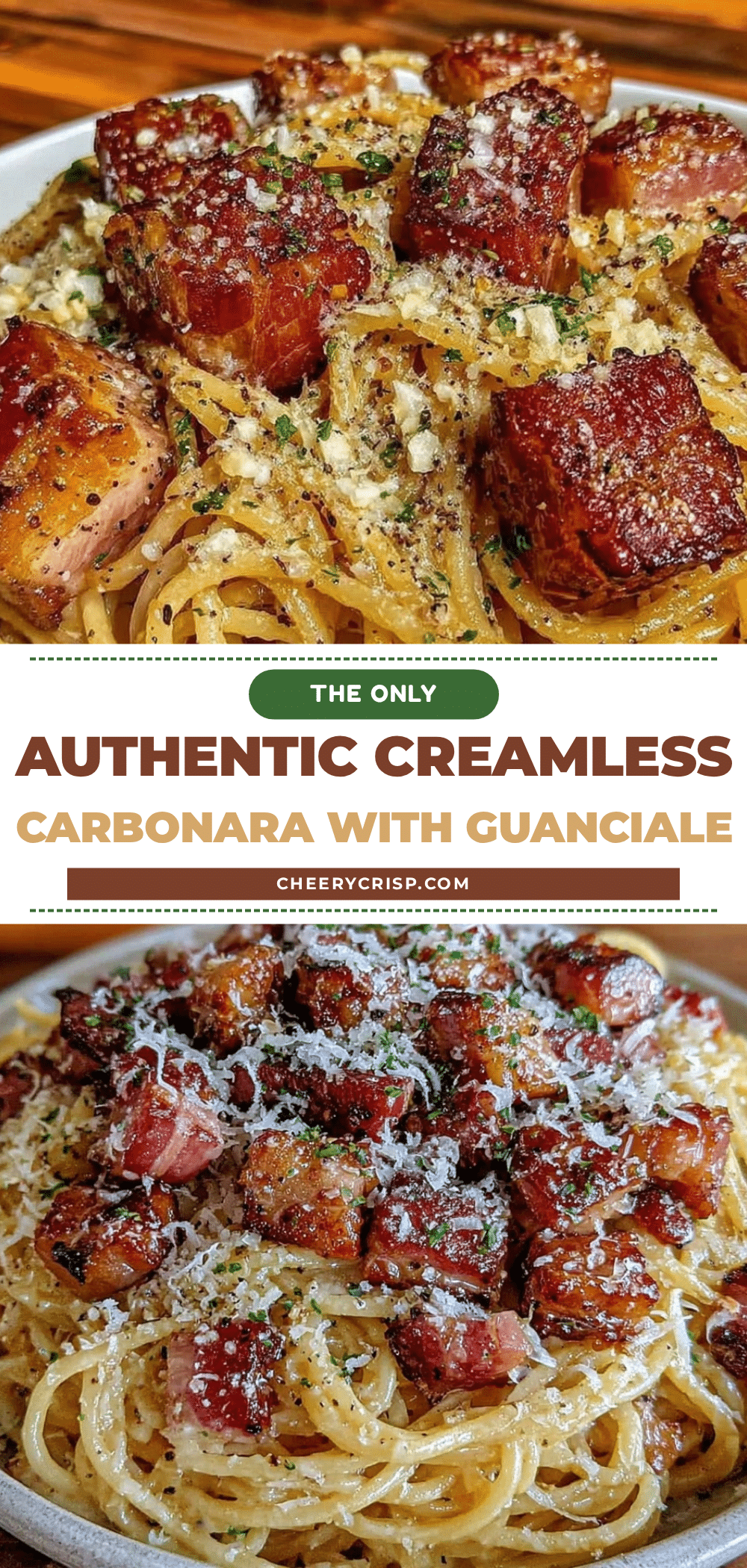
Classic Carbonara Recipe Easy Authentic Guanciale Rome Purist Method
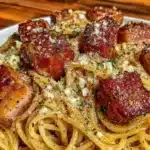
An authentic Roman carbonara recipe using guanciale, Pecorino Romano, and eggs to create a creamy, flavorful pasta dish without cream or butter. Perfect for a quick, satisfying dinner with traditional technique.
- Prep Time: 10 minutes
- Cook Time: 15 minutes
- Total Time: 25 minutes
- Yield: 4 servings 1x
- Category: Main Course
- Cuisine: Italian
Ingredients
- 400g (14 oz) spaghetti or rigatoni
- Salt, for pasta water (to taste)
- 150g (5 oz) guanciale, diced
- 3 large eggs, room temperature
- 1 cup (100g) Pecorino Romano cheese, finely grated
- Freshly cracked black pepper, generous amount
- Optional: pinch of salt
Instructions
- Bring a large pot of salted water to a rolling boil. Use about 1 tablespoon of salt per 4 quarts (4 liters) of water. Add 400g (14 oz) of spaghetti and cook until just shy of al dente, about 8-9 minutes depending on the brand.
- While pasta cooks, heat a heavy skillet over medium heat. Add the diced 150g (5 oz) guanciale and cook slowly, stirring occasionally, until the fat renders out and the guanciale is crisp but not burnt, about 5-7 minutes. Remove from heat and keep the rendered fat in the pan.
- In a mixing bowl, whisk together 3 large eggs, 1 cup (100g) finely grated Pecorino Romano, and a generous amount of freshly cracked black pepper until smooth and creamy. Set aside.
- Reserve about 1 cup (240ml) of pasta cooking water before draining the pasta.
- Add the drained pasta directly to the skillet with the guanciale and its fat. Toss well over low heat to coat the pasta, about 1-2 minutes. Remove the pan from heat.
- Quickly pour the egg and cheese mixture over the pasta, tossing vigorously with tongs or a fork. Add reserved pasta water a little at a time to loosen the sauce and create a silky texture.
- Taste and adjust with extra black pepper if desired. Add a pinch of salt if needed.
- Serve immediately, optionally with an extra sprinkle of Pecorino Romano and black pepper on top.
Notes
Use fresh, room-temperature eggs to prevent curdling. Remove pan from heat before adding egg mixture to avoid scrambling. Reserve pasta water to loosen sauce and achieve creamy texture. Grate Pecorino Romano fresh for best flavor and melt. If guanciale is unavailable, pancetta can be substituted but flavor differs. For gluten-free, use gluten-free pasta. Avoid microwave reheating to keep sauce silky.
Nutrition
- Serving Size: 1 serving (approxima
- Calories: 600
- Sugar: 2
- Sodium: 700
- Fat: 25
- Saturated Fat: 8
- Carbohydrates: 55
- Fiber: 3
- Protein: 25
Keywords: carbonara, classic carbonara, guanciale, Roman pasta, authentic carbonara, Pecorino Romano, easy pasta recipe, traditional Italian, creamy pasta, quick dinner